
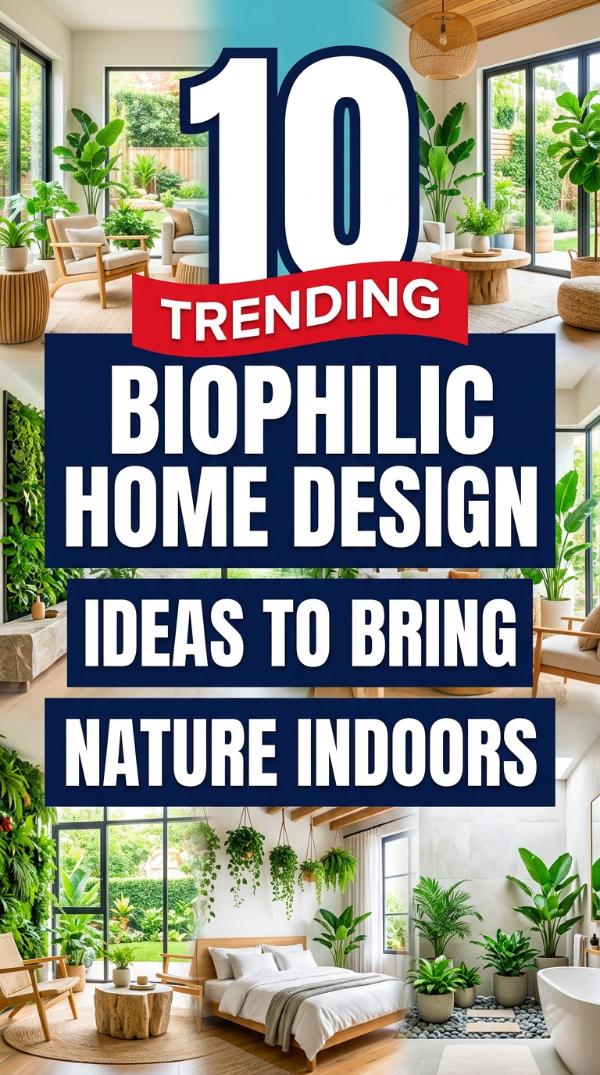
Transforming your living space into a green sanctuary has never been easier. Biophilic design bridges the gap between modern interiors and the calming beauty of the natural world.
Incorporating 10 Biophilic Home Design Ideas to Bring Nature Indoors helps reduce stress and boost creativity. It turns a sterile house into a breathing, vibrant home.
Discover how simple changes can foster a deep connection with the environment. Let’s explore ways to invite nature inside your everyday living space today.
1. Living Moss Wall
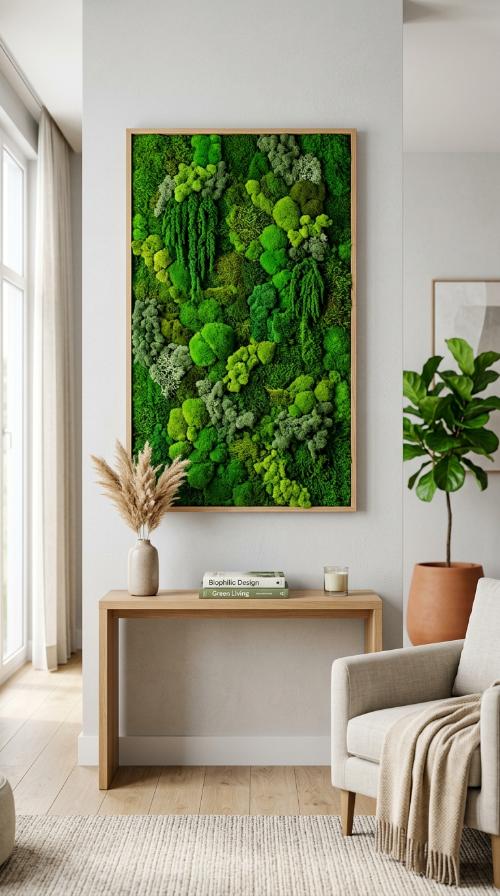
A preserved moss wall adds rich texture and vibrant green hues to any room. It requires zero maintenance while providing a striking organic focal point for your walls.
These vertical gardens act as natural sound absorbers, making your home quieter. They bring the essence of a forest floor directly into your urban living environment.
You can customize these panels to fit any space, from hallways to home offices. It is a stunning way to embrace biophilic aesthetics without needing a green thumb.
2. Floor-to-Ceiling Indoor Trees

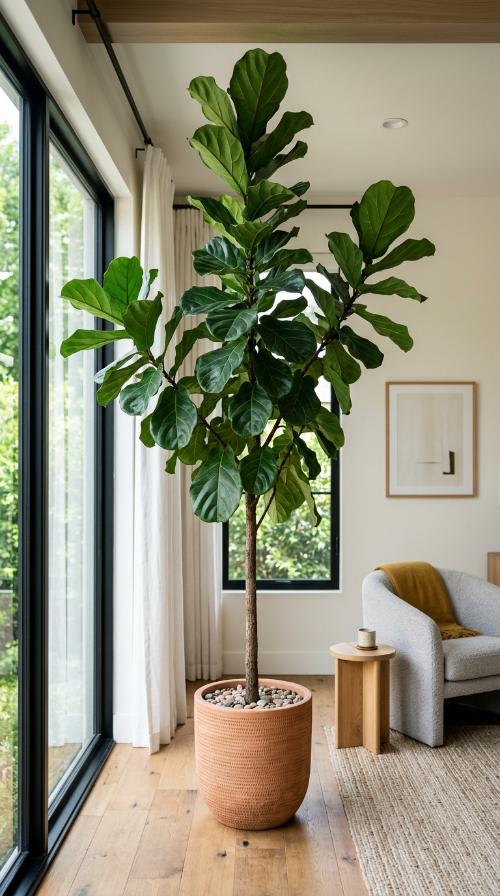
Introducing tall greenery like a Fiddle Leaf Fig creates an immediate sense of scale. It mimics the canopy of a forest right in your living room corner.
Large trees improve air quality and provide a lush, architectural element. Their presence softens sharp corners and adds life to minimalist or industrial interior designs.
Position them near windows to maximize natural light and ensure healthy growth. Watching a tree thrive indoors creates a profound daily connection with nature’s rhythms.
3. Natural Stone Accents
Incorporating raw stone elements grounds your home with earthy textures. Use river stones or slate in bathrooms and kitchens to evoke the feeling of a mountain stream.
Stone surfaces provide tactile feedback that connects us to the earth’s crust. This sensory experience is a core pillar of successful biophilic design in modern homes.
From pebble shower floors to marble coasters, stone adds timeless durability. These natural materials age beautifully and keep your interior feeling authentic and rooted.
4. Water Features for Acoustic Calm

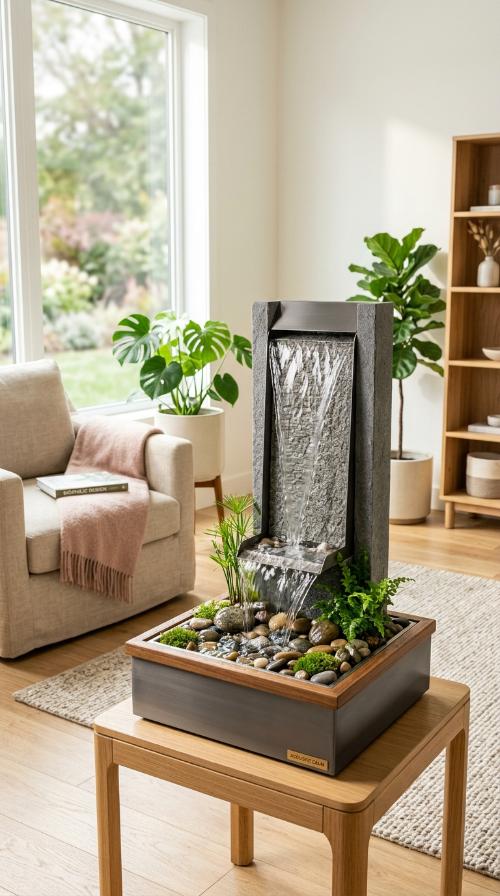
The sound of flowing water instantly lowers cortisol levels and promotes relaxation. A small tabletop fountain creates a soothing auditory landscape within your personal sanctuary.
Water features also act as natural humidifiers, improving the air you breathe. They serve as a rhythmic reminder of the outdoor world’s fluid movements.
Place a fountain in your workspace or bedroom for a peaceful atmosphere. This simple addition transforms the energy of a room through gentle movement and sound.
5. Skylights and Sun-Drenched Nooks
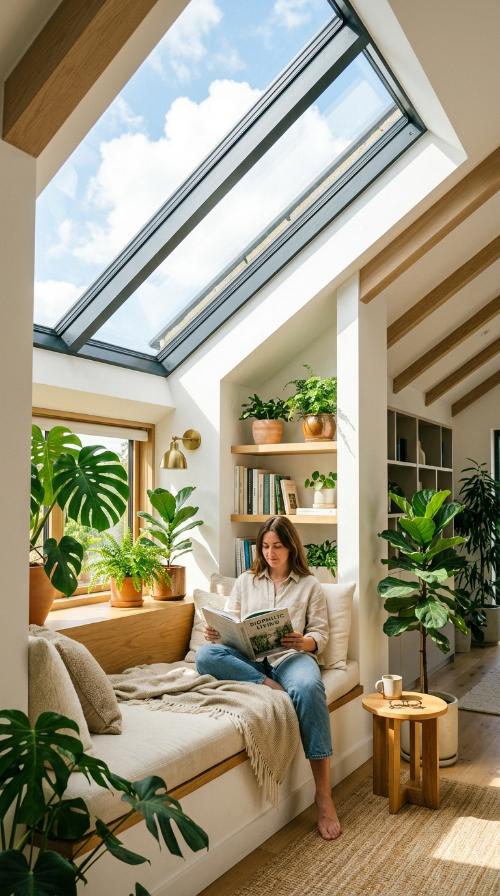
Maximizing natural light is essential for regulating your internal circadian rhythm. Skylights flood dark areas with sunshine, making spaces feel larger and more connected to the sky.
Creating a dedicated sun nook encourages you to pause and enjoy the daylight. It bridges the gap between your indoor activities and the changing outdoor weather.
Use sheer curtains to soften the glare while maintaining a bright atmosphere. Sunlight is the ultimate natural element to enhance mood and overall well-being.
6. Sustainable Wood Furniture

Choose furniture made from reclaimed wood or pieces with “live edges” to retain natural shapes. The visible grain and knots tell a story of growth and resilience.
Natural wood brings warmth and a sense of history to your decor. It avoids the coldness of synthetic materials, making your home feel more inviting and alive.
Opt for matte finishes to keep the wood’s tactile nature accessible. Touching real wood surfaces provides a subtle but important grounding effect throughout the day.
7. Hanging Plant Installations
Utilize vertical space by suspending trailing plants from the ceiling or beams. This creates a lush “jungle” effect that draws the eye upward and adds depth.
Hanging ivy or pothos mimics the way vines grow in the wild. It allows you to add greenery without taking up valuable floor or counter space.
Grouping plants at different heights adds visual interest and layers of texture. This technique makes your indoor environment feel rich and teeming with natural life.
8. Terrariums and Miniature Ecosystems
A terrarium is a self-contained world that brings the forest floor to your desk. These miniature ecosystems are fascinating to observe and very easy to maintain.
They offer a way to incorporate delicate ferns and mosses into your home. The glass enclosure creates a beautiful, jewel-like display of thriving biological life.
Building your own terrarium is a meditative process that deepens your plant knowledge. It serves as a captivating conversation piece for guests and family alike.
9. Earthy Color Palettes

Paint and textiles in shades of sage, ochre, and terracotta mimic the landscape. These colors evoke a sense of peace and familiarity associated with the outdoors.
Using a natural color palette reduces visual noise and creates a cohesive environment. It complements your indoor plants and enhances the overall biophilic theme perfectly.
Mix different shades of green to represent various types of foliage. These tones reflect natural light beautifully and keep your home feeling fresh and vibrant.
10. Scented Botanicals and Aromatherapy

Engage your sense of smell using essential oils like cedarwood, eucalyptus, or pine. These scents transport your mind to a forest or a blooming garden instantly.
Fragrance plays a massive role in how we perceive our environment’s naturalness. Aromatherapy can refresh the air and improve your mental clarity throughout the day.
Use dried lavender or eucalyptus bundles in bathrooms for a spa-like feel. Scent completes the biophilic experience by creating a fully immersive sensory home.
What is biophilic design?
It is an architectural approach that seeks to connect occupants more closely to nature by incorporating natural elements, light, and organic shapes.
Does this work in small apartments?
Yes, you can use vertical gardens, hanging plants, and natural textures to bring the outdoors in without needing a large footprint.
Are these ideas high maintenance?
Many options like moss walls or drought-resistant plants are very easy to care for. You can choose elements that fit your busy lifestyle easily.
Can biophilic design improve health?
Studies show that being near natural elements reduces stress, lowers heart rates, and increases productivity. It creates a much healthier indoor living environment.
Which plants are best for beginners?
Pothos, snake plants, and ZZ plants are incredibly resilient. They thrive in various light conditions and are perfect for starting your biophilic journey.
Is biophilic design expensive?
Not necessarily. You can start small with a few plants or natural stones. Incorporating natural light and earthy colors is a very budget-friendly way to begin.