Living in a small space often feels like a constant battle against clutter. You deserve a home that feels open, airy, and perfectly organized every single day.
Finding the right 10 Space Saving Home Furniture Ideas for a More Organized Home can truly transform your living environment. Let’s reclaim your square footage together right now.
Small homes require clever solutions that work twice as hard. These smart furniture picks will help you maximize every inch while keeping your style completely intact.
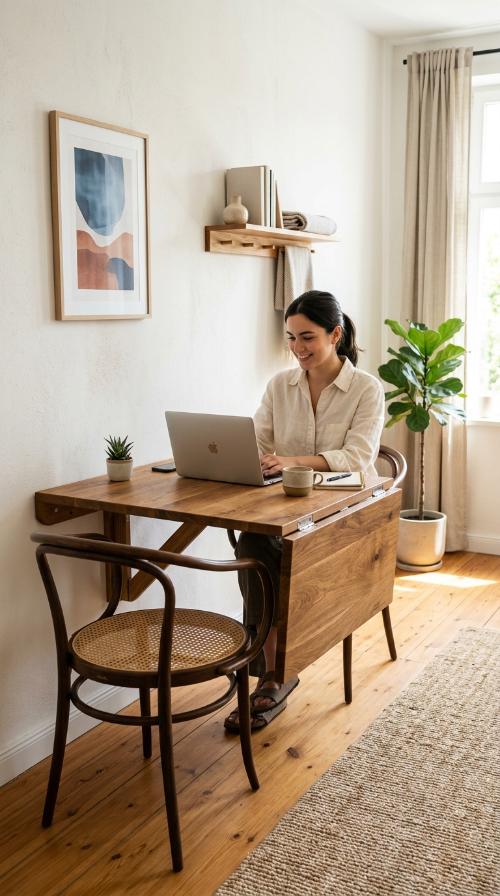
1. Wall-Mounted Drop-Leaf Table
This table is a total game-changer for tiny kitchens or studios. It folds flat against the wall when you aren’t using it for meals or work.
You get all the functionality of a full desk without sacrificing precious floor space. It is the ultimate sleek solution for narrow hallways or compact rooms.
Installation is quick and simple for any DIY beginner. It provides a sturdy surface that disappears whenever you need more room to move around freely.
2. Storage Ottoman Bench
A storage ottoman is the secret weapon of organized homes. It serves as comfortable seating, a footrest, and a hidden trunk for your bulky blankets.
Use it in the entryway to hide shoes or in the living room for board games. It keeps your essentials close by while hiding the mess.
Choose a velvet or linen finish to add a touch of luxury. This multi-functional piece proves that you don’t have to choose between style and storage.
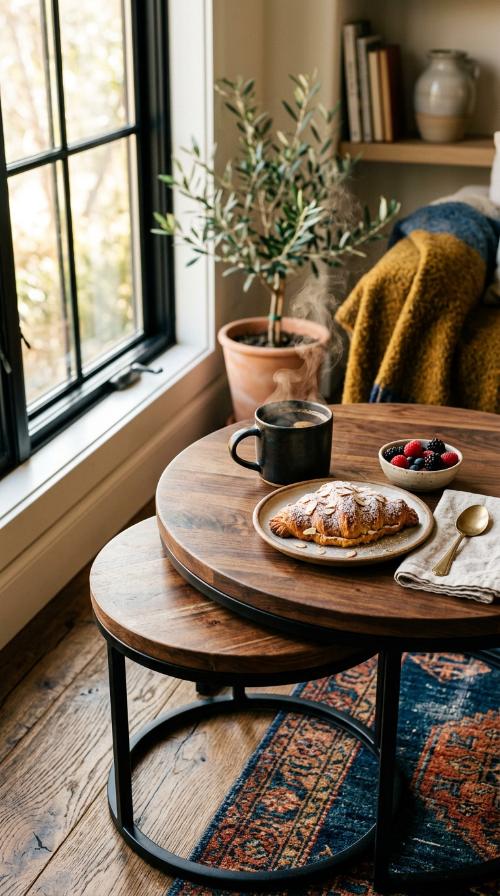
3. Nesting Coffee Tables
Nesting tables are perfect for those who love to entertain in small spaces. They stack neatly together when you need extra floor space for activities.
When guests arrive, simply slide them out to create multiple surfaces. This flexibility makes them ideal for various layouts and changing social needs.
They come in many modern designs that fit any aesthetic perfectly. You can easily move them around to serve as side tables or plant stands.
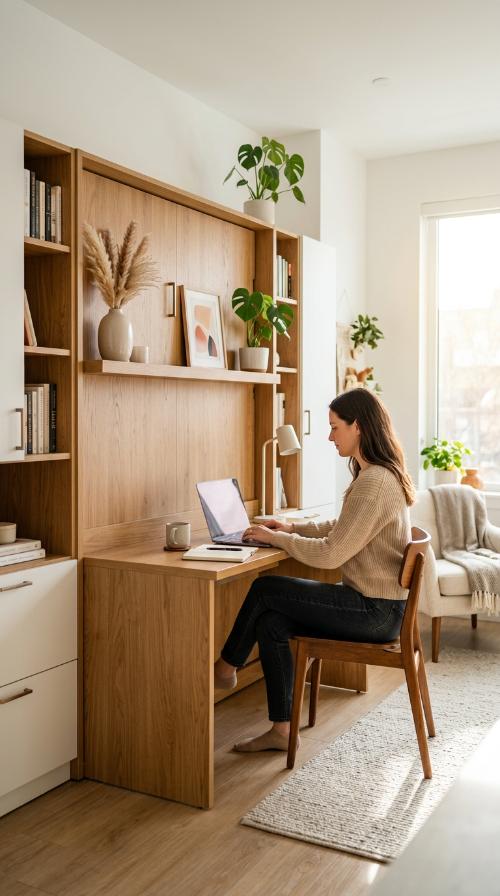
4. Murphy Bed with Built-in Desk
Turn your bedroom into a functional home office during the day. This clever combo allows you to sleep comfortably and work efficiently in one spot.
The bed folds up easily to reveal a spacious workstation underneath. It is a brilliant way to make a guest room serve a dual purpose.
Modern Murphy beds are incredibly easy to operate and look like sleek cabinetry. Reclaiming your floor space has never looked this sophisticated or professional.
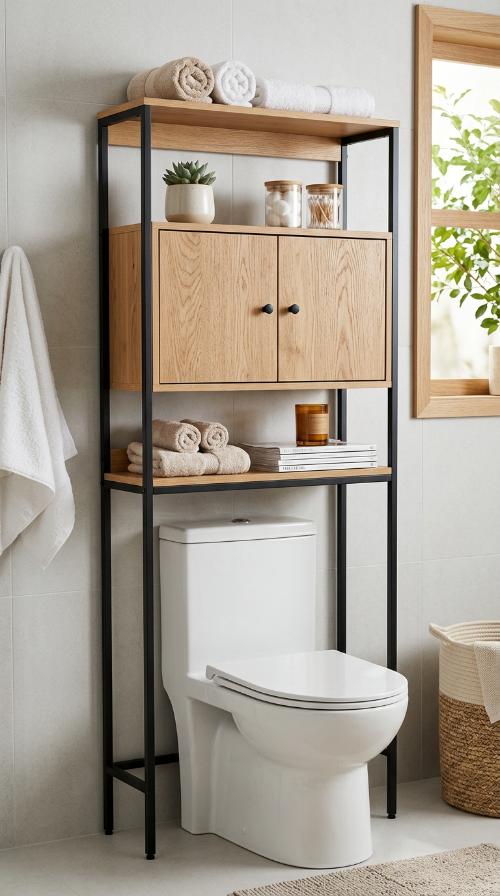
5. Over-the-Toilet Storage Cabinet
Bathrooms are often the smallest rooms but hold the most clutter. Utilize the empty vertical space above your toilet for towels and toiletries.
These cabinets provide multiple shelves without taking up any extra floor area. It is a simple upgrade that makes your morning routine much smoother.
Keep your counters clear and your bathroom looking pristine at all times. Available in many finishes, these units match any existing decor effortlessly.
6. Extendable Dining Table
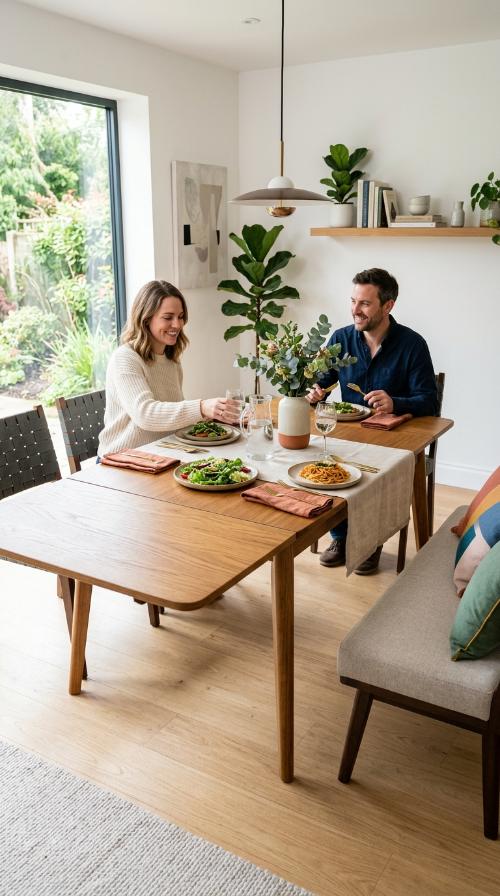
Don’t let a large table crowd your dining room every day. An extendable table grows only when you actually have guests over for dinner.
It stays small for your daily routine but expands in seconds. This ensures your home always feels spacious during the quiet work week.
High-quality mechanisms make the transition smooth and very easy to handle. It is a smart investment for anyone who loves hosting large gatherings.
7. Corner Bookshelf Unit
Corners are frequently wasted space in most traditional home layouts. A dedicated corner shelf turns these awkward gaps into beautiful display areas.
Store your favorite books, plants, or decorative items with total ease. It draws the eye upward, making your ceilings feel much higher than they are.
This compact design fits into tight spots where regular shelves won’t work. It adds character and organization to any room without feeling bulky.
8. Under-Bed Rolling Storage Drawers
The space under your bed is a hidden goldmine for organization. Rolling drawers allow you to access seasonal clothing or extra linens instantly.
They slide out smoothly and keep your items dust-free and tidy. You can maximize your bedroom storage without adding a single heavy dresser.
Opt for clear bins to see contents or wooden ones for style. It is a low-profile solution that keeps your bedroom looking calm and clear.
9. Sofa with Hidden Storage
Imagine a stylish sofa that also hides your entire pillow collection. Many modern designs feature lift-up seats or hidden drawers for maximum utility.
It is the perfect place to tuck away bulky items effortlessly. You get the comfort you want with the organization you desperately need.
This is a must-have for apartment dwellers with limited closet space. Keep your living room minimalist while keeping everything you need within reach.
10. Folding Wall-Mounted Desk
Create a dedicated workspace in any room without a permanent footprint. This desk folds down for focus and flips up for total freedom.
It often includes small shelves for pens, notebooks, or a tablet. This is the ultimate solution for hybrid workers in smaller homes.
The minimalist design blends into the wall when not in use. Stay productive during the day and reclaim your relaxation space every evening.
How do I choose the best furniture for a small apartment?
Look for pieces that serve at least two purposes. Prioritize vertical storage and items that can be folded or nested when not in use.
Is wall-mounted furniture safe for rental homes?
Many options use minimal screws or heavy-duty adhesive strips. Always check your lease and use proper anchors to ensure the furniture stays secure and stable.
Can space-saving furniture be stylish?
Absolutely! Modern designs focus on both aesthetics and functionality. You can find beautiful pieces in mid-century, industrial, or minimalist styles to match your taste.
What is the most effective way to organize a studio?
Use multi-functional furniture to define different zones. Pieces like room-dividing bookshelves or Murphy beds help separate your sleeping area from your living space effectively.
Are storage ottomans worth the investment?
Yes, they are highly versatile and affordable. They provide extra seating, a place to rest your feet, and hidden storage for clutter in any room.
How can I maximize vertical space?
Install floating shelves, tall bookcases, or over-the-door organizers. Utilizing your walls keeps the floor clear and makes your room feel significantly larger and more open.
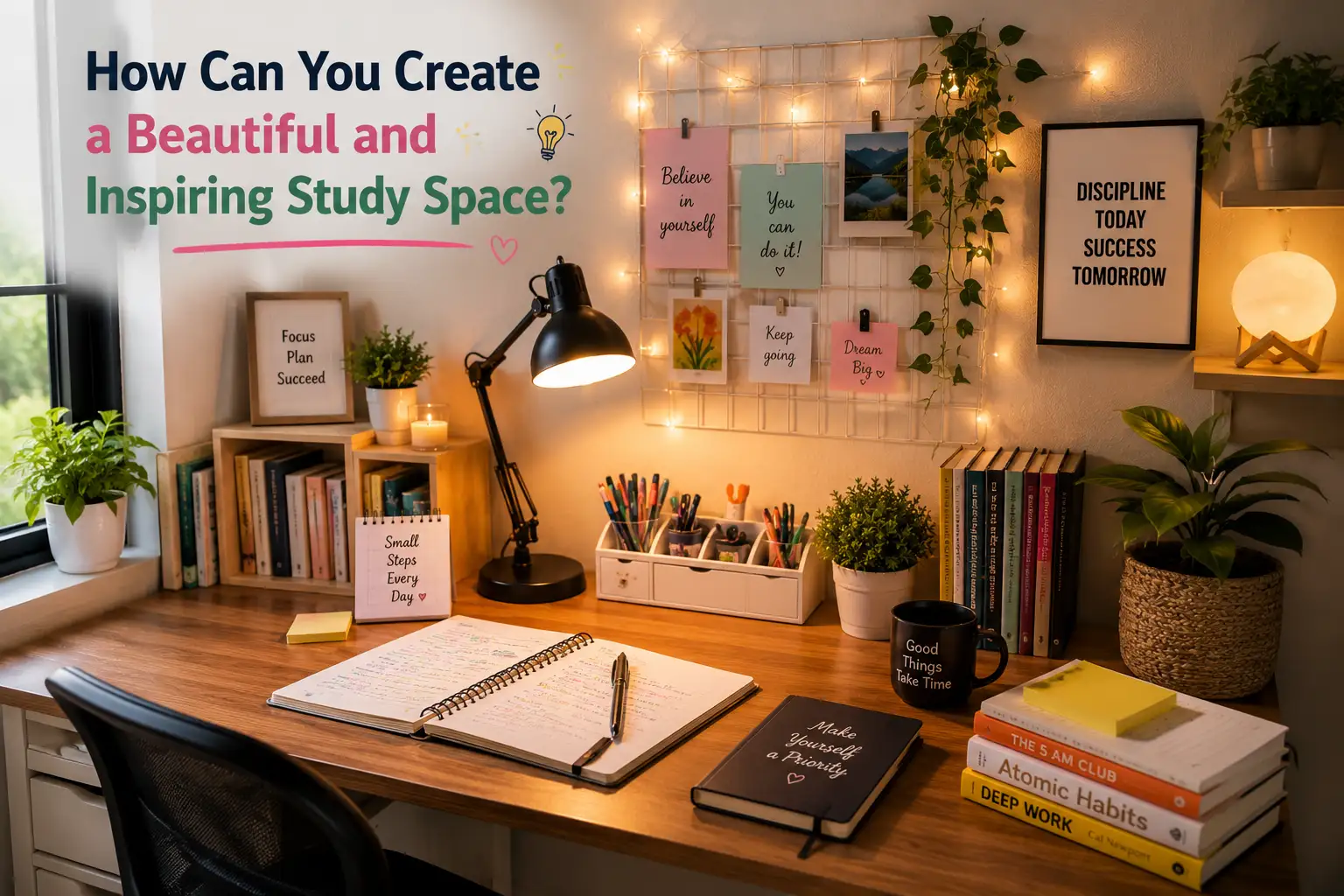
An aesthetic study room is more than just a room with pretty furniture. It is a space that feels calm, organized, comfortable, and personal. When your surroundings look good and everything has a purpose, sitting down to study can feel much easier.
You don’t need a huge room or an expensive makeover to create an aesthetic study space. A simple desk, comfortable chair, good lighting, a few plants, and carefully chosen decorations can completely change the atmosphere.
The key is to create a room that looks beautiful without making it difficult to study. Too many decorations can become distracting, while a completely empty room may feel cold. The best aesthetic study room sits somewhere in the middle.
What Makes a Study Room Look Aesthetic?
An aesthetic study room usually has a clear visual style. It may use soft colors, natural materials, warm lighting, plants, artwork, or simple furniture.
Before buying anything, choose the feeling you want. Do you want your room to feel cozy and warm? Clean and minimalist? Creative and colorful? Or natural and peaceful?
Once you choose a style, it becomes much easier to select furniture and decorations that work together.
A simple color palette can also make a big difference.
Study Room Style
Main Colors
Best Features
Minimalist
White, gray, black
Clean furniture and open space
Cozy
Beige, cream, brown
Warm lighting and soft textures
Scandinavian
White, light wood, green
Simple furniture and natural elements
Modern
Black, white, gray
Sleek furniture and smart lighting
Nature-Inspired
Green, beige, brown
Plants and wooden accessories
Colorful
Pastel or bright accents
Artwork and creative accessories
How Can You Choose the Right Color Palette?
Start with two or three main colors instead of using too many shades. For example, white walls with light wood furniture and green plants can create a calm and natural look.
If you prefer a cozy room, cream, beige, warm brown, and soft white can work beautifully. For a modern study room, black, white, and gray create a simple and clean appearance.
You can add one accent color through cushions, artwork, stationery, rugs, or small decorations.
The goal isn’t to make everything the same color. Instead, choose colors that look comfortable together.
How Can You Create a Minimalist Aesthetic Study Room?
A minimalist study room focuses on keeping things simple. Start by removing items you rarely use. Keep your desk clear and store stationery, books, and electronics that aren’t needed at the moment.
Choose furniture with simple shapes and avoid unnecessary decorative details. A clean desk, comfortable chair, small lamp, and one or two decorative objects may be enough.
Storage is especially important in a minimalist room. Use drawers, boxes, baskets, or shelves to keep everyday items organized.
A minimalist room should not feel empty. It should feel intentional.
How Can You Make a Cozy Aesthetic Study Room?
If you want your study room to feel warm and relaxing, focus on lighting and texture.
A warm desk lamp can create a softer atmosphere than a bright overhead light. Add a small rug, comfortable chair cushion, blanket, or fabric accessories to make the room feel more inviting.
Wooden furniture also works well in cozy spaces. Combine it with cream, beige, brown, or muted green accessories.
A few personal items, such as photographs or favorite books, can make the room feel less like an office and more like your own comfortable corner.
What Kind of Desk Works Best in an Aesthetic Study Room?
Your desk is usually the main feature of a study room, so choose one that matches the room’s style.
A simple wooden desk works well for Scandinavian, natural, and cozy rooms. A white desk can make a small room feel bright. A black or dark desk can create a modern and dramatic look.
Most importantly, choose a desk that gives you enough space for your everyday work.
If you use a laptop, notebooks, books, and a desk lamp, make sure there is enough surface area to use them comfortably.
How Can You Decorate the Study Desk?
Keep desk decoration simple. A small plant, desk lamp, pen holder, notebook, and decorative tray can be enough.
You can also add a desk mat to create a more organized visual area. If you work on a computer, keep the keyboard, mouse, and cables arranged neatly.
Avoid filling every empty corner with decorations. Leaving some empty space makes the desk look cleaner and gives you room to work.
How Can Lighting Make a Study Room More Aesthetic?
Lighting can completely change the mood of a study room.
Use a combination of general lighting and task lighting. A ceiling light can illuminate the whole room, while a desk lamp provides focused light for reading and writing.
Floor lamps can add another layer of light and also become decorative features.
For a cozy aesthetic, warm lighting can create a relaxed feeling. For detailed work and studying, choose lighting that provides enough brightness without causing glare or discomfort.
Can Plants Make a Study Room Look Better?
Yes. Plants are one of the easiest ways to add color and life to a study room.
A small plant on the desk can work well if you have enough space. Larger plants can be placed beside the desk or in an empty corner.
Pothos, snake plants, and other relatively low-maintenance indoor plants are popular choices. If your room doesn’t receive enough natural light, choose plants according to the actual lighting conditions or use a realistic artificial plant.
Don’t add plants simply because they look good online. Choose plants that fit the amount of light and care you can provide.
How Can You Decorate the Walls?
The walls around your desk provide valuable decorating space without taking up your working surface.
You can use:
Framed artwork
Photographs
Posters
A pinboard
A calendar
Floating shelves where appropriate
Wall grids
Tapestries
Removable wall decor
Create a simple arrangement instead of randomly placing items everywhere.
If you rent your home, be careful with nails, screws, and adhesives. Check your lease and use suitable removable solutions when possible.
How Can You Create an Aesthetic Gallery Wall?
A gallery wall can become the main visual feature behind your desk.
Choose artwork that shares at least one color or visual theme. You could combine photographs, illustrations, typography, and small prints.
Before putting anything on the wall, arrange the pieces on the floor. This allows you to experiment with different layouts.
For a smaller room, don’t make the gallery wall too large. A small, balanced arrangement can have plenty of impact.
How Can You Use a Pinboard for Both Decor and Organization?
A pinboard can be attractive and practical at the same time.
Use it to display:
Study schedules
Important reminders
Small photographs
Inspirational images
To-do lists
Calendar notes
Personal goals
The trick is to avoid letting it become a collection of random papers. Remove old notes regularly and keep the board visually organized.
What Furniture Should You Add to an Aesthetic Study Room?
Start with the essentials:
Study desk
Comfortable chair
Storage
Lighting
After that, add furniture only when the room needs it.
A small bookshelf can be useful for students and readers. A narrow drawer unit can provide additional storage without taking much floor space. A comfortable lounge chair can work well in a larger study room.
Always consider the room’s size before buying furniture. A beautiful piece can make a small room feel crowded if it is too large.
How Can You Make a Small Study Room Look Aesthetic?
Small rooms benefit from simple design choices.
Use furniture that fits the room instead of trying to fill every available area. Choose vertical storage when possible, and keep the floor relatively clear.
Mirrors can help reflect light and create a feeling of openness. Light-colored walls and furniture can also make the room feel brighter.
Use the wall above the desk for storage and decoration rather than adding too many items to the floor.
Most importantly, keep clutter under control. In a small room, even a few misplaced items can make the entire space feel messy.
How Can You Create an Aesthetic Study Room on a Budget?
You don’t need to replace everything.
Start with the things you already own. Rearrange the furniture, clean the desk, organize your books, hide visible cables, and remove unnecessary objects.
Then spend your budget on a few high-impact improvements.
Budget
Good Upgrades
Under $25
Plant, desk organizer, small artwork
$25–$50
Desk lamp, desk mat, decorative storage
$50–$100
Rug, better lighting, wall decor
$100+
Chair, bookshelf, larger rug, upgraded desk
A few thoughtful changes can have more visual impact than buying lots of inexpensive decorations.
What Are the Best Aesthetic Study Room Accessories?
Some accessories can improve both appearance and functionality.
Good options include:
Desk lamp
Desk mat
Pen holder
Small plant
Books
Decorative tray
Storage baskets
Wall clock
Artwork
Photo frames
Small speakers
Cable organizers
Calendar
Rug
Choose accessories based on how you use the room. A study room shouldn’t become a showroom where you are afraid to touch anything.
How Can You Hide Cables?
Visible cables can make an otherwise beautiful study setup look messy.
Use cable clips, cable sleeves, or simple cable management boxes to keep wires together. Route them toward the back of the desk whenever possible.
If you use several devices, label the cables so you can identify them easily.
Good cable management is one of those small details that makes a study room look much more polished.
How Can You Make an Aesthetic Study Room More Comfortable?
A beautiful room isn’t enough if you don’t feel comfortable sitting there.
Pay attention to your chair, desk height, lighting, temperature, and overall organization. Keep frequently used items within easy reach.
If you study for long periods, your workspace should support comfortable posture and regular breaks.
Add soft elements such as a rug or cushion if they make the space more comfortable, but don’t let comfort accessories create clutter.
How Can You Create a Nature-Inspired Study Room?
A nature-inspired study room can feel calm and refreshing.
Use light or medium wood furniture, green plants, natural-looking baskets, neutral fabrics, and earthy colors.
You can also add botanical artwork or nature photography.
This style works particularly well when you want your study room to feel peaceful rather than highly technical.
How Can You Create a Modern Study Room?
For a modern aesthetic, focus on clean lines and simple shapes.
A streamlined desk, ergonomic chair, minimal accessories, good cable management, and layered lighting can create a polished appearance.
Black, white, gray, and natural wood are easy colors to combine.
If you use a computer setup, keep the technology organized rather than hiding everything. A neat monitor, keyboard, mouse, and speakers can become part of the room’s design.
What Are Common Aesthetic Study Room Mistakes?
One common mistake is adding too many decorations.
A room may look beautiful in photographs when every surface is decorated, but excessive objects can make your actual study experience distracting.
Another mistake is choosing appearance over comfort. A stylish chair that becomes uncomfortable after 20 minutes isn’t a good study chair.
Other common mistakes include poor lighting, oversized furniture, messy cables, too many colors, and insufficient storage.
The best aesthetic room is one that looks good and works well for your daily life.
How Can You Keep an Aesthetic Study Room Organized?
Create a simple daily reset routine.
At the end of your study session, return books to their place, put stationery back into the organizer, remove cups or food containers, and clear unnecessary papers from the desk.
Once everything has a designated place, organization becomes much easier.
You don’t need to spend an hour cleaning every day. A few minutes of regular organization can keep the room looking good.
What Is the Best Aesthetic Study Room Style?
There isn’t one style that is best for everyone. The right style depends on your personality, room size, budget, and how you use the space.
For most people, a simple minimalist or cozy study room offers the best balance. Start with functional furniture, good lighting, organized storage, a small amount of greenery, and a few personal decorations.
Don’t try to copy an entire room from Pinterest or Instagram. Take the ideas you like and adapt them to your own space.
Your study room should ultimately be a place where you feel comfortable sitting down, opening your book or laptop, and getting started.
Aesthetic design is not about having the most decorations. It’s about creating a space that feels organized, comfortable, personal, and inspiring. Even a small desk in a small room can become a beautiful study corner when every piece has a purpose.
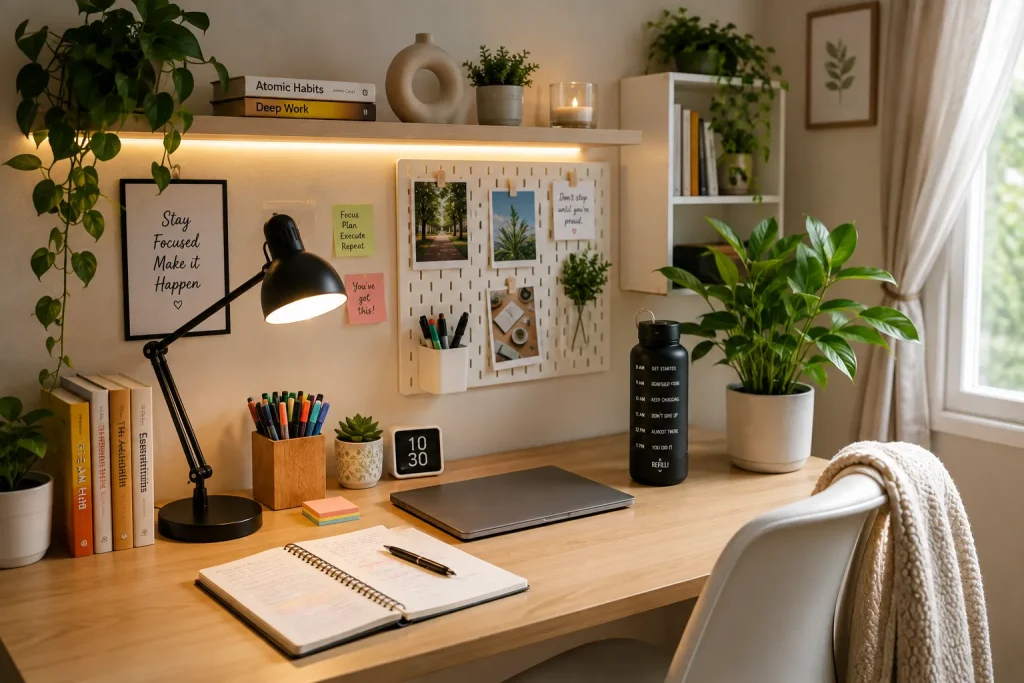
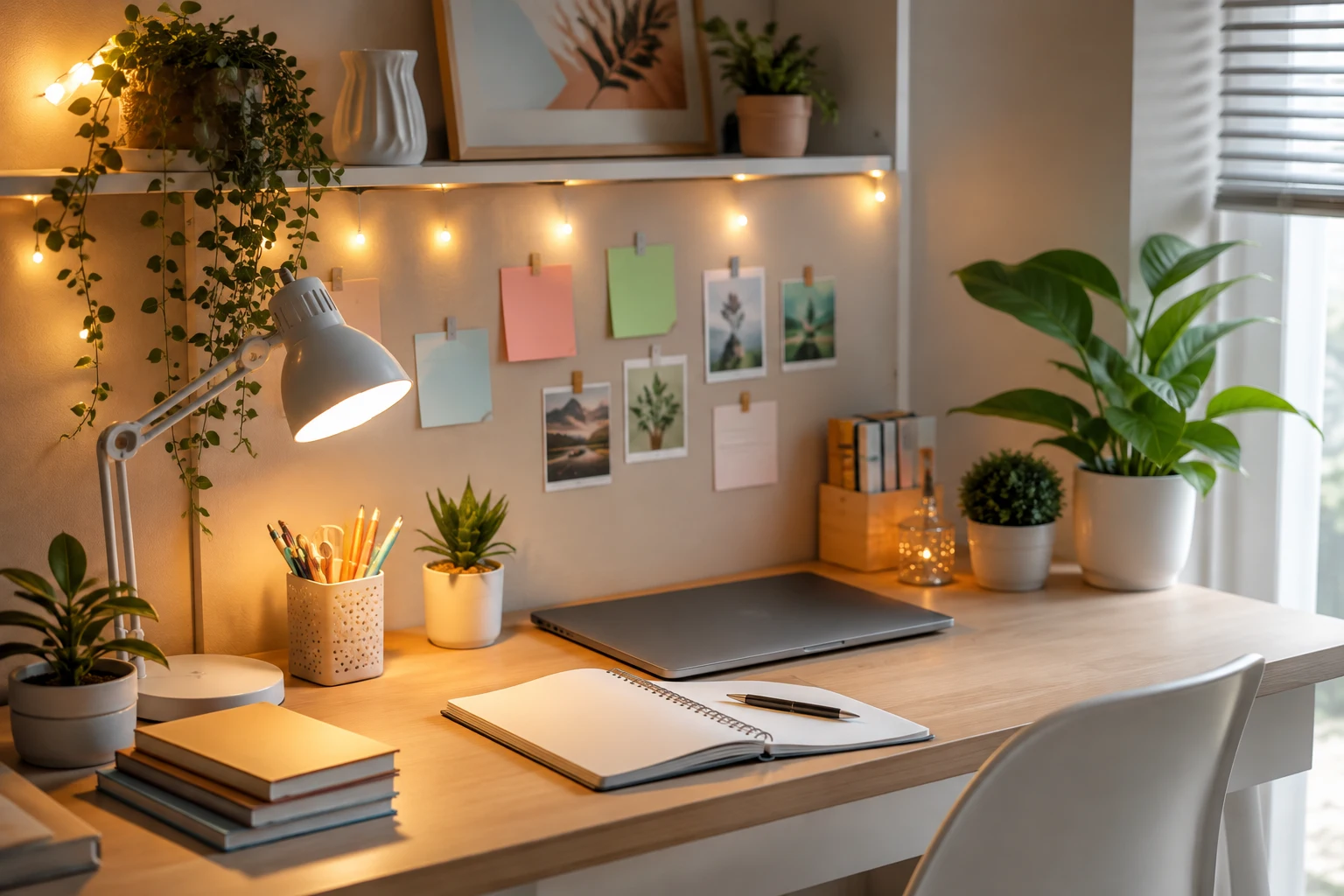
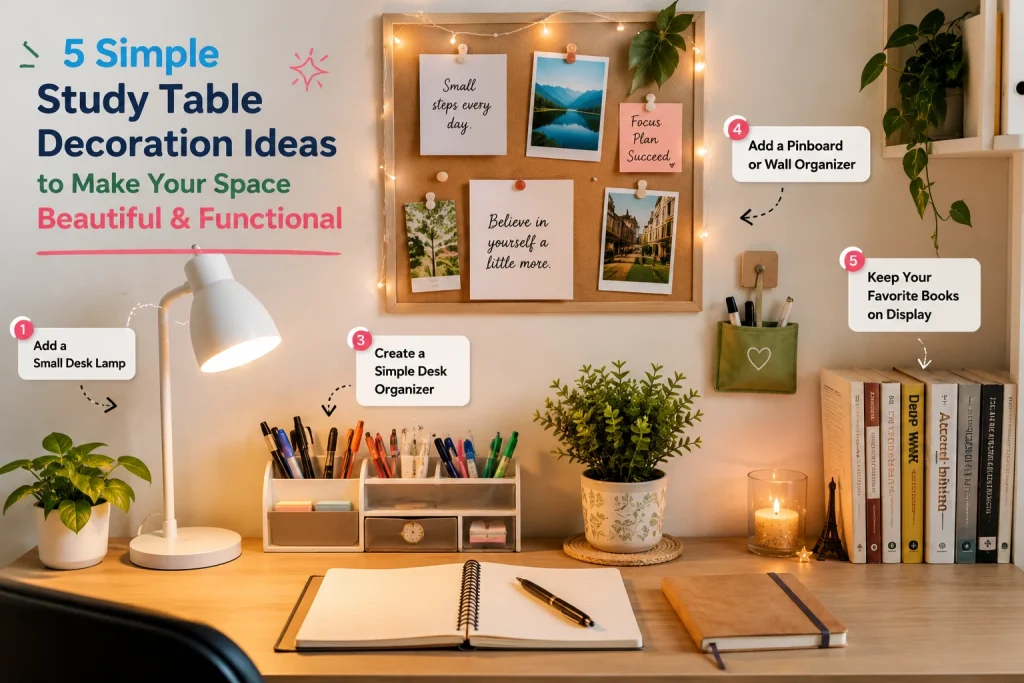
Your study table doesn’t have to look boring just because it is a place for work or study. A few simple changes can make it feel cleaner, more comfortable, and more inspiring. The best part is that you don’t need a large budget or a big room to create a beautiful study corner.
Start by keeping the table simple. Remove things you don’t use every day and keep only the essentials, such as your laptop, books, notebooks, pens, and a small lamp. Once the basic setup is clean, you can add a few decorative pieces that match your style.
1. Add a Small Desk Lamp
A desk lamp is one of the easiest ways to improve both the look and usefulness of your study table. Choose a lamp with a simple design if you prefer a clean, modern setup. A warm light can make the space feel cozy, while a brighter neutral light can work well when you’re reading or working for long hours.
If your table is small, choose a compact lamp that doesn’t take up too much space. A flexible or adjustable lamp can be even more useful because you can direct the light exactly where you need it.
2. Use a Small Plant for a Fresh Look
A little greenery can make a study table feel much more alive. You don’t need a large indoor plant. A small pothos, succulent, snake plant, or artificial plant can work beautifully.
Place the plant in one corner of the desk so it doesn’t interfere with your workspace. If you don’t have much natural light, choose a low-maintenance plant or a good-quality artificial one.
3. Create a Simple Desk Organizer
Pens, pencils, markers, scissors, and other small items can quickly make a study table look messy. A desk organizer gives everything a proper place.
You can use a ready-made organizer or create a simple DIY version using small boxes, jars, or containers. Choose one that matches the color and style of your room.
4. Add a Pinboard or Wall Organizer
If you don’t have enough space on your table, use the wall above it. A pinboard can hold notes, reminders, photographs, small artwork, and inspirational quotes without taking up desk space.
For a rental apartment, consider removable or damage-free hanging options where suitable. Always check the weight limit and surface compatibility before installing anything.
5. Keep Your Favorite Books on Display
Books can become part of your study table decoration instead of simply being something you need for studying. Stack two or three attractive books horizontally and place a small decorative object or plant on top.
Don’t create a huge stack, though. Too many books can make the table feel crowded and make everyday studying less convenient.
6. Add a Minimal Desk Clock
A small desk clock can add a classic touch while also helping you stay aware of time. Choose a simple digital or analog design that doesn’t compete with the rest of your setup.
If you already use your phone or computer for time management, the clock can simply be a decorative element. A neutral color usually works well with most study table designs.
7. Use a Desk Mat
A desk mat is a simple upgrade that can make the entire table look more organized. It also creates a visual boundary for your keyboard, mouse, notebook, or other everyday items.
For a modern setup, try a plain black, beige, gray, brown, or muted color. If your room has a playful style, you can choose a patterned mat instead.
8. Decorate With Photos
A few personal photographs can make your study corner feel more like your own space. You could display a family photo, travel memory, favorite place, or picture with friends.
Keep the number of photos limited. Two or three well-placed pictures often look better than covering the entire table with frames.
9. Choose a Simple Color Theme
One of the easiest ways to make a study table look professionally decorated is to follow a small color palette.
For example:
Style
Suggested Colors
Minimalist
White, gray, black
Warm & Cozy
Beige, cream, brown
Modern
Black, white, wood
Natural
Green, beige, light wood
Soft & Calm
White, pastel blue, cream
Creative
White with colorful accents
Try to repeat the same colors in your lamp, organizer, stationery, plant pot, and other accessories. This creates a more connected look.
10. Add a Small Wall Shelf
If you have enough wall space, a small shelf above the desk can provide both storage and decoration. You can use it for books, plants, small frames, candles, or decorative objects.
However, renters should be careful with wall-mounted shelves because installation may require drilling. If you’re renting, check your lease or ask the landlord before making permanent changes.
11. Try a Cozy Scandinavian-Style Setup
If you like simple and peaceful interiors, a Scandinavian-inspired study table can be a great choice. Use light wood, white or cream accessories, soft lighting, and a small green plant.
The goal is to keep the table visually light. Instead of filling every empty space, allow some areas to remain completely clear.
12. Create a Modern Minimalist Study Table
A minimalist desk focuses on function first. Keep only the things you actually use.
A laptop, desk lamp, notebook, pen holder, and small plant may be enough. Hide cables where possible and avoid collecting too many decorative items.
This style works especially well in small apartments because the table won’t make the room feel crowded.
13. Use Cable Management
Messy cables can ruin even a beautiful study table. Use simple cable clips, sleeves, or organizers to keep charging cables and computer wires under control.
Try to route cables toward the back or side of the desk instead of allowing them to spread across the workspace. A clean cable setup can make a surprisingly big difference.
14. Add a Small Decorative Tray
A tray can keep small objects together while making the desk look more intentional. You can place your watch, keys, glasses, sticky notes, or other small items inside it.
Choose a tray that fits the overall style of your room. A wooden tray works well for warm and natural interiors, while a simple metal or acrylic tray can suit a modern setup.
15. Use Inspirational Quotes Carefully
A motivational quote can add personality to your study space, especially if you’re preparing for exams or working toward a goal.
Instead of covering the wall with many quotes, choose one that genuinely means something to you. Frame it or place it on a small card stand.
A simple message can have more impact than a wall full of text.
16. Add Soft Textures
If your study corner feels too plain, introduce texture through small accessories. A fabric chair cushion, woven basket, wooden organizer, or textured desk mat can make the area feel warmer.
You don’t need to add many different materials. Two or three complementary textures are usually enough.
17. Make the Chair Part of the Decor
Don’t forget about the chair. Since it is one of the largest pieces around your study table, it can strongly affect the overall appearance.
Choose a comfortable chair that works with the table and room. If you already have a basic chair, you can improve its appearance with a simple cushion or seat cover.
Comfort should always come before decoration. A beautiful chair isn’t useful if you can’t sit comfortably while studying.
18. Keep the Table Clutter-Free
Perhaps the most important study table decoration idea is also the simplest: don’t overcrowd the table.
Decorative items are useful only when they don’t interfere with your work. Before adding something, ask yourself:
“Will this make my study space better, or will it simply take up space?”
If you use the table every day, functionality should always come first.
What Is the Best Way to Decorate a Study Table?
The best approach is to combine function, comfort, and personality. Start with a clean table, add good lighting, organize your stationery, and then introduce a few decorative elements such as a plant, photo, desk mat, or small artwork.
You don’t need expensive furniture or dozens of accessories. A simple study table with a consistent color palette and good organization can look much better than an expensive setup filled with unnecessary objects.
For most people, a minimalist setup with warm lighting, one small plant, an organizer, a desk mat, and a few personal touches offers the best balance between beauty and practicality.
A study table should ultimately make you want to sit down and get started. When everything has its place and the space feels comfortable, studying or working can become a much more enjoyable part of your day.