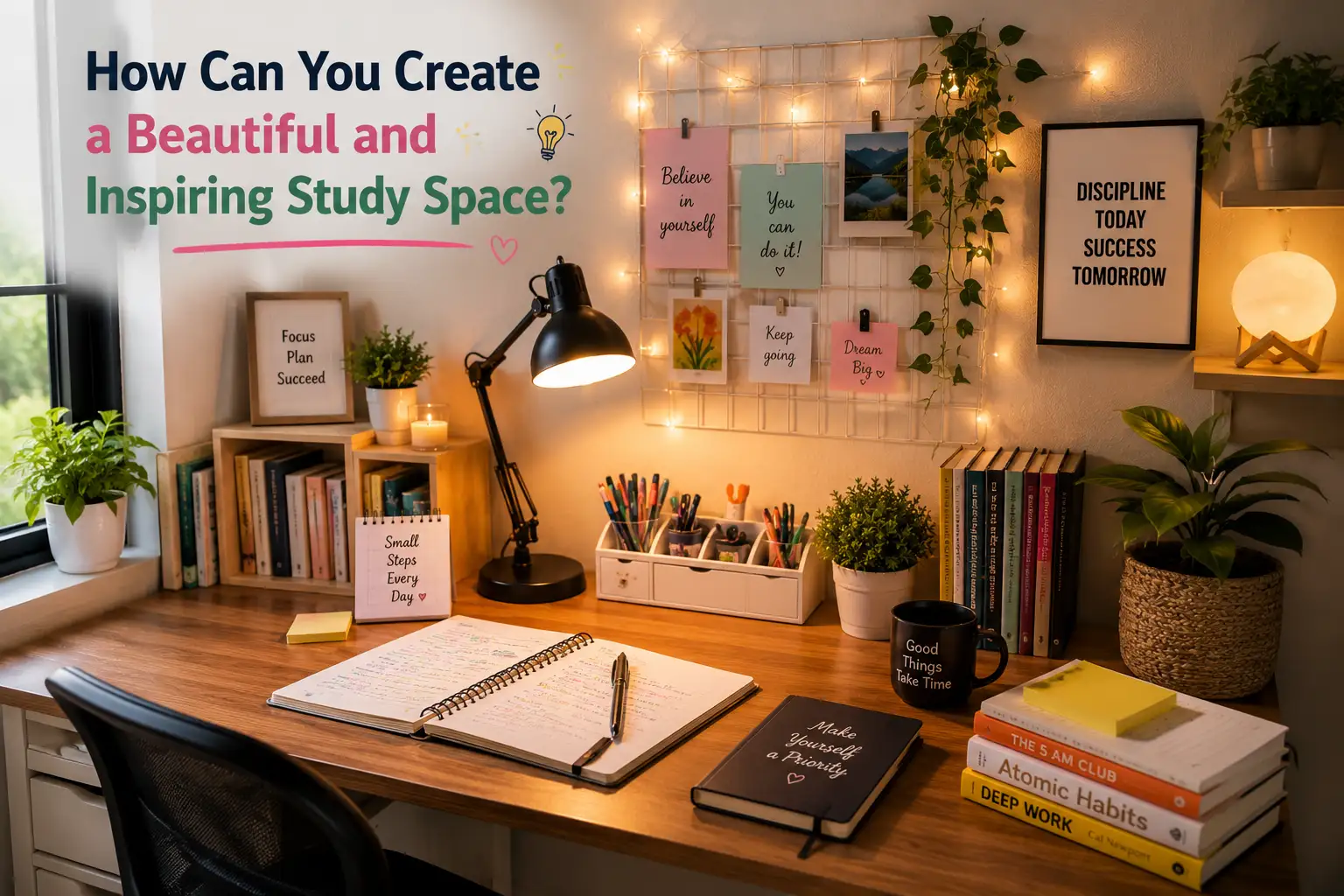
How Can You Create a Beautiful and Inspiring Study Space?

An aesthetic study room is more than just a room with pretty furniture. It is a space that feels calm, organized, comfortable, and personal. When your surroundings look good and everything has a purpose, sitting down to study can feel much easier.

You don’t need a huge room or an expensive makeover to create an aesthetic study space. A simple desk, comfortable chair, good lighting, a few plants, and carefully chosen decorations can completely change the atmosphere.

The key is to create a room that looks beautiful without making it difficult to study. Too many decorations can become distracting, while a completely empty room may feel cold. The best aesthetic study room sits somewhere in the middle.

What Makes a Study Room Look Aesthetic?
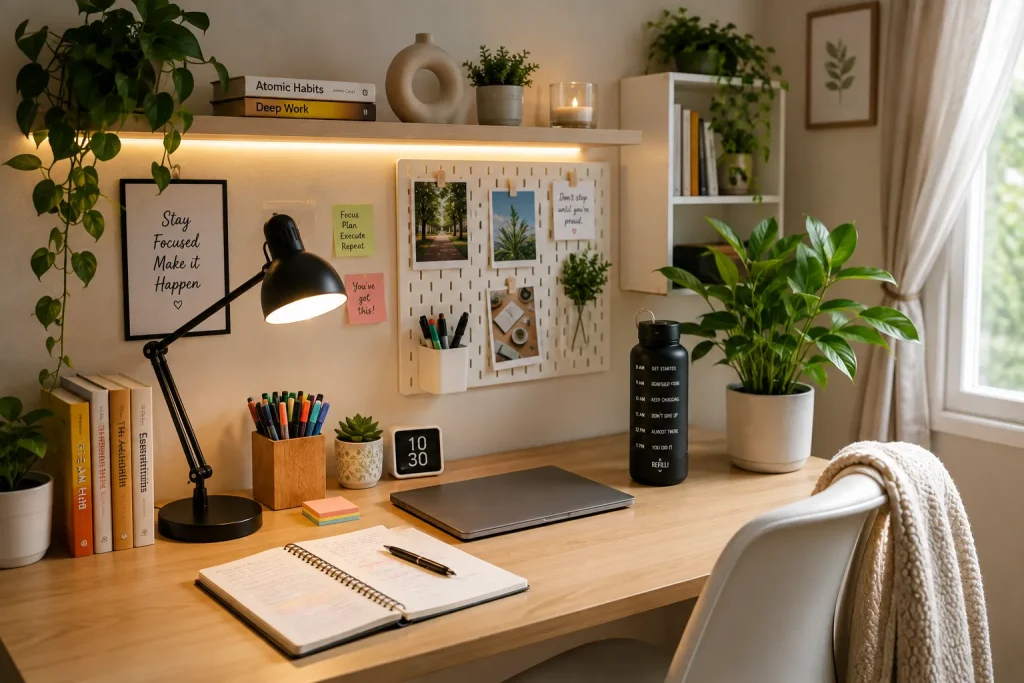
An aesthetic study room usually has a clear visual style. It may use soft colors, natural materials, warm lighting, plants, artwork, or simple furniture.

Before buying anything, choose the feeling you want. Do you want your room to feel cozy and warm? Clean and minimalist? Creative and colorful? Or natural and peaceful?

Once you choose a style, it becomes much easier to select furniture and decorations that work together.

A simple color palette can also make a big difference.

Study Room StyleMain ColorsBest Features
MinimalistWhite, gray, blackClean furniture and open space
CozyBeige, cream, brownWarm lighting and soft textures
ScandinavianWhite, light wood, greenSimple furniture and natural elements
ModernBlack, white, graySleek furniture and smart lighting
Nature-InspiredGreen, beige, brownPlants and wooden accessories
ColorfulPastel or bright accentsArtwork and creative accessories

How Can You Choose the Right Color Palette?

Start with two or three main colors instead of using too many shades. For example, white walls with light wood furniture and green plants can create a calm and natural look.

If you prefer a cozy room, cream, beige, warm brown, and soft white can work beautifully. For a modern study room, black, white, and gray create a simple and clean appearance.

You can add one accent color through cushions, artwork, stationery, rugs, or small decorations.

The goal isn’t to make everything the same color. Instead, choose colors that look comfortable together.

How Can You Create a Minimalist Aesthetic Study Room?

A minimalist study room focuses on keeping things simple. Start by removing items you rarely use. Keep your desk clear and store stationery, books, and electronics that aren’t needed at the moment.

Choose furniture with simple shapes and avoid unnecessary decorative details. A clean desk, comfortable chair, small lamp, and one or two decorative objects may be enough.

Storage is especially important in a minimalist room. Use drawers, boxes, baskets, or shelves to keep everyday items organized.

A minimalist room should not feel empty. It should feel intentional.

How Can You Make a Cozy Aesthetic Study Room?

If you want your study room to feel warm and relaxing, focus on lighting and texture.

A warm desk lamp can create a softer atmosphere than a bright overhead light. Add a small rug, comfortable chair cushion, blanket, or fabric accessories to make the room feel more inviting.

Wooden furniture also works well in cozy spaces. Combine it with cream, beige, brown, or muted green accessories.

A few personal items, such as photographs or favorite books, can make the room feel less like an office and more like your own comfortable corner.

What Kind of Desk Works Best in an Aesthetic Study Room?

Your desk is usually the main feature of a study room, so choose one that matches the room’s style.

A simple wooden desk works well for Scandinavian, natural, and cozy rooms. A white desk can make a small room feel bright. A black or dark desk can create a modern and dramatic look.

Most importantly, choose a desk that gives you enough space for your everyday work.

If you use a laptop, notebooks, books, and a desk lamp, make sure there is enough surface area to use them comfortably.

How Can You Decorate the Study Desk?

Keep desk decoration simple. A small plant, desk lamp, pen holder, notebook, and decorative tray can be enough.

You can also add a desk mat to create a more organized visual area. If you work on a computer, keep the keyboard, mouse, and cables arranged neatly.

Avoid filling every empty corner with decorations. Leaving some empty space makes the desk look cleaner and gives you room to work.

How Can Lighting Make a Study Room More Aesthetic?

Lighting can completely change the mood of a study room.

Use a combination of general lighting and task lighting. A ceiling light can illuminate the whole room, while a desk lamp provides focused light for reading and writing.

Floor lamps can add another layer of light and also become decorative features.

For a cozy aesthetic, warm lighting can create a relaxed feeling. For detailed work and studying, choose lighting that provides enough brightness without causing glare or discomfort.

Can Plants Make a Study Room Look Better?

Yes. Plants are one of the easiest ways to add color and life to a study room.

A small plant on the desk can work well if you have enough space. Larger plants can be placed beside the desk or in an empty corner.

Pothos, snake plants, and other relatively low-maintenance indoor plants are popular choices. If your room doesn’t receive enough natural light, choose plants according to the actual lighting conditions or use a realistic artificial plant.

Don’t add plants simply because they look good online. Choose plants that fit the amount of light and care you can provide.

How Can You Decorate the Walls?

The walls around your desk provide valuable decorating space without taking up your working surface.

You can use:

  • Framed artwork
  • Photographs
  • Posters
  • A pinboard
  • A calendar
  • Floating shelves where appropriate
  • Wall grids
  • Tapestries
  • Removable wall decor

Create a simple arrangement instead of randomly placing items everywhere.

If you rent your home, be careful with nails, screws, and adhesives. Check your lease and use suitable removable solutions when possible.

How Can You Create an Aesthetic Gallery Wall?

A gallery wall can become the main visual feature behind your desk.

Choose artwork that shares at least one color or visual theme. You could combine photographs, illustrations, typography, and small prints.

Before putting anything on the wall, arrange the pieces on the floor. This allows you to experiment with different layouts.

For a smaller room, don’t make the gallery wall too large. A small, balanced arrangement can have plenty of impact.

How Can You Use a Pinboard for Both Decor and Organization?

A pinboard can be attractive and practical at the same time.

Use it to display:

  • Study schedules
  • Important reminders
  • Small photographs
  • Inspirational images
  • To-do lists
  • Calendar notes
  • Personal goals

The trick is to avoid letting it become a collection of random papers. Remove old notes regularly and keep the board visually organized.

What Furniture Should You Add to an Aesthetic Study Room?

Start with the essentials:

  1. Study desk
  2. Comfortable chair
  3. Storage
  4. Lighting

After that, add furniture only when the room needs it.

A small bookshelf can be useful for students and readers. A narrow drawer unit can provide additional storage without taking much floor space. A comfortable lounge chair can work well in a larger study room.

Always consider the room’s size before buying furniture. A beautiful piece can make a small room feel crowded if it is too large.

How Can You Make a Small Study Room Look Aesthetic?

Small rooms benefit from simple design choices.

Use furniture that fits the room instead of trying to fill every available area. Choose vertical storage when possible, and keep the floor relatively clear.

Mirrors can help reflect light and create a feeling of openness. Light-colored walls and furniture can also make the room feel brighter.

Use the wall above the desk for storage and decoration rather than adding too many items to the floor.

Most importantly, keep clutter under control. In a small room, even a few misplaced items can make the entire space feel messy.

How Can You Create an Aesthetic Study Room on a Budget?

You don’t need to replace everything.

Start with the things you already own. Rearrange the furniture, clean the desk, organize your books, hide visible cables, and remove unnecessary objects.

Then spend your budget on a few high-impact improvements.

BudgetGood Upgrades
Under $25Plant, desk organizer, small artwork
$25–$50Desk lamp, desk mat, decorative storage
$50–$100Rug, better lighting, wall decor
$100+Chair, bookshelf, larger rug, upgraded desk

A few thoughtful changes can have more visual impact than buying lots of inexpensive decorations.

What Are the Best Aesthetic Study Room Accessories?

Some accessories can improve both appearance and functionality.

Good options include:

  • Desk lamp
  • Desk mat
  • Pen holder
  • Small plant
  • Books
  • Decorative tray
  • Storage baskets
  • Wall clock
  • Artwork
  • Photo frames
  • Small speakers
  • Cable organizers
  • Calendar
  • Rug

Choose accessories based on how you use the room. A study room shouldn’t become a showroom where you are afraid to touch anything.

How Can You Hide Cables?

Visible cables can make an otherwise beautiful study setup look messy.

Use cable clips, cable sleeves, or simple cable management boxes to keep wires together. Route them toward the back of the desk whenever possible.

If you use several devices, label the cables so you can identify them easily.

Good cable management is one of those small details that makes a study room look much more polished.

How Can You Make an Aesthetic Study Room More Comfortable?

A beautiful room isn’t enough if you don’t feel comfortable sitting there.

Pay attention to your chair, desk height, lighting, temperature, and overall organization. Keep frequently used items within easy reach.

If you study for long periods, your workspace should support comfortable posture and regular breaks.

Add soft elements such as a rug or cushion if they make the space more comfortable, but don’t let comfort accessories create clutter.

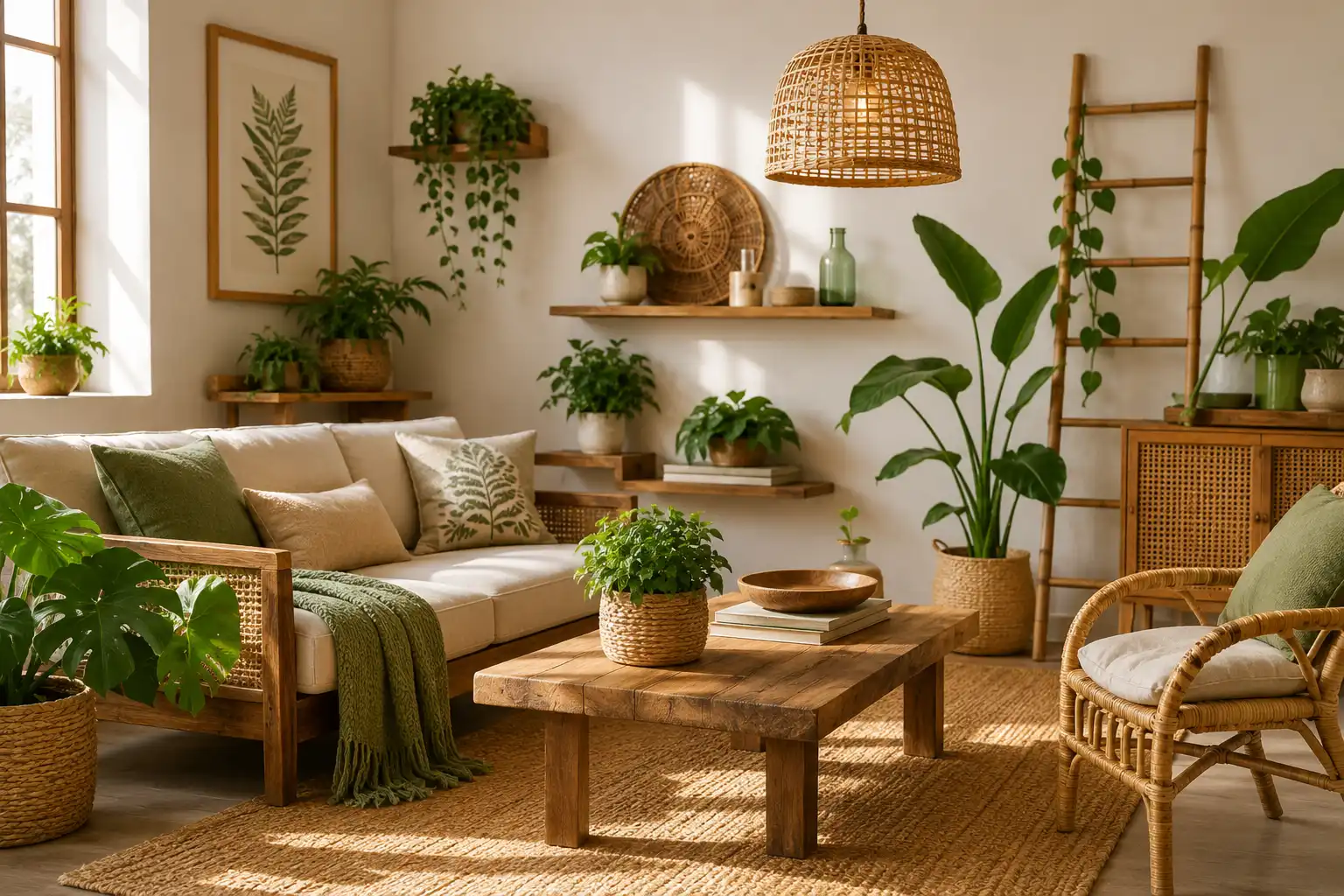
How Can You Create a Nature-Inspired Study Room?

A nature-inspired study room can feel calm and refreshing.

Use light or medium wood furniture, green plants, natural-looking baskets, neutral fabrics, and earthy colors.

You can also add botanical artwork or nature photography.

This style works particularly well when you want your study room to feel peaceful rather than highly technical.

How Can You Create a Modern Study Room?

For a modern aesthetic, focus on clean lines and simple shapes.

A streamlined desk, ergonomic chair, minimal accessories, good cable management, and layered lighting can create a polished appearance.

Black, white, gray, and natural wood are easy colors to combine.

If you use a computer setup, keep the technology organized rather than hiding everything. A neat monitor, keyboard, mouse, and speakers can become part of the room’s design.

What Are Common Aesthetic Study Room Mistakes?

One common mistake is adding too many decorations.

A room may look beautiful in photographs when every surface is decorated, but excessive objects can make your actual study experience distracting.

Another mistake is choosing appearance over comfort. A stylish chair that becomes uncomfortable after 20 minutes isn’t a good study chair.

Other common mistakes include poor lighting, oversized furniture, messy cables, too many colors, and insufficient storage.

The best aesthetic room is one that looks good and works well for your daily life.

How Can You Keep an Aesthetic Study Room Organized?

Create a simple daily reset routine.

At the end of your study session, return books to their place, put stationery back into the organizer, remove cups or food containers, and clear unnecessary papers from the desk.

Once everything has a designated place, organization becomes much easier.

You don’t need to spend an hour cleaning every day. A few minutes of regular organization can keep the room looking good.

What Is the Best Aesthetic Study Room Style?

There isn’t one style that is best for everyone. The right style depends on your personality, room size, budget, and how you use the space.

For most people, a simple minimalist or cozy study room offers the best balance. Start with functional furniture, good lighting, organized storage, a small amount of greenery, and a few personal decorations.

Don’t try to copy an entire room from Pinterest or Instagram. Take the ideas you like and adapt them to your own space.

Your study room should ultimately be a place where you feel comfortable sitting down, opening your book or laptop, and getting started.

Aesthetic design is not about having the most decorations. It’s about creating a space that feels organized, comfortable, personal, and inspiring. Even a small desk in a small room can become a beautiful study corner when every piece has a purpose.
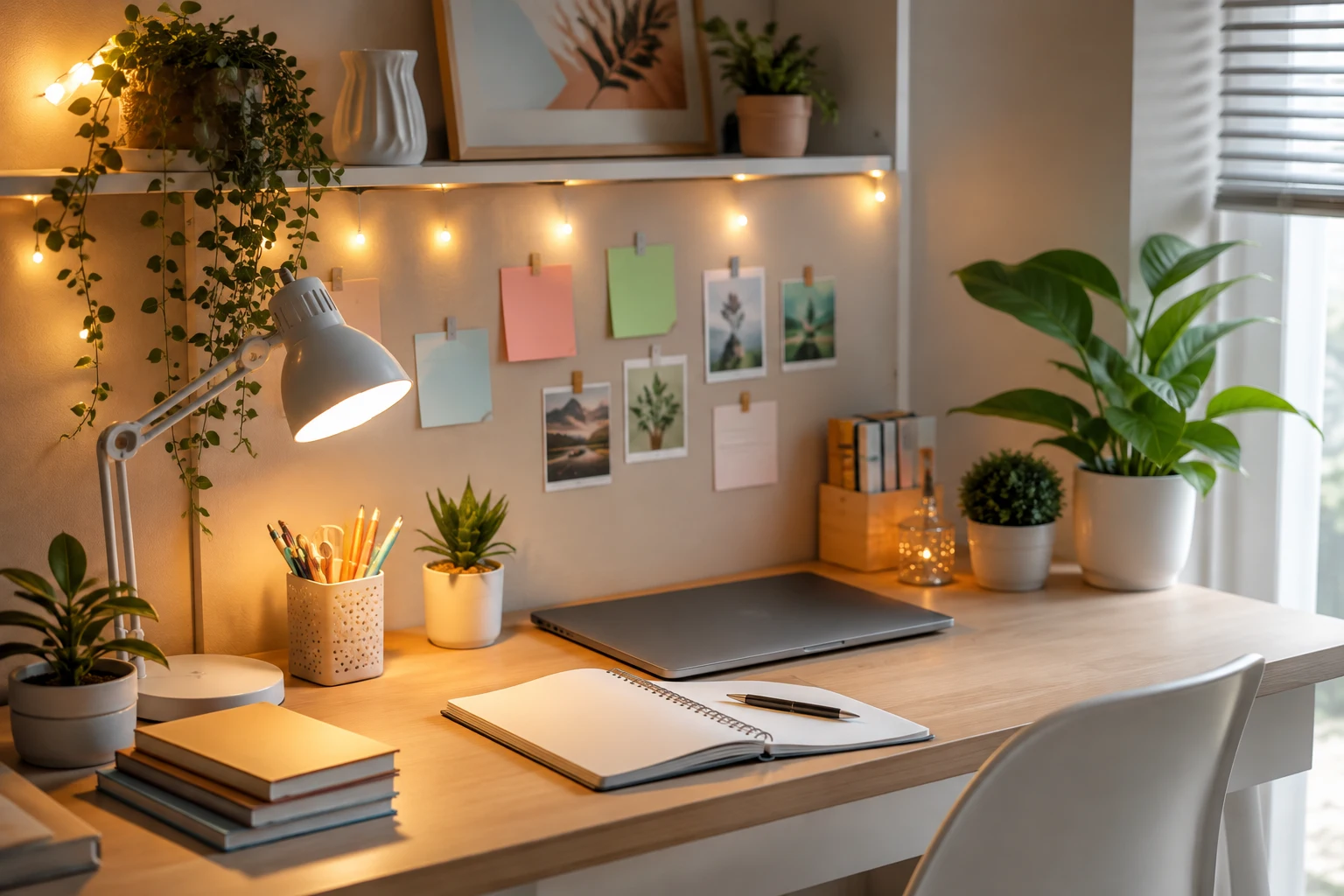
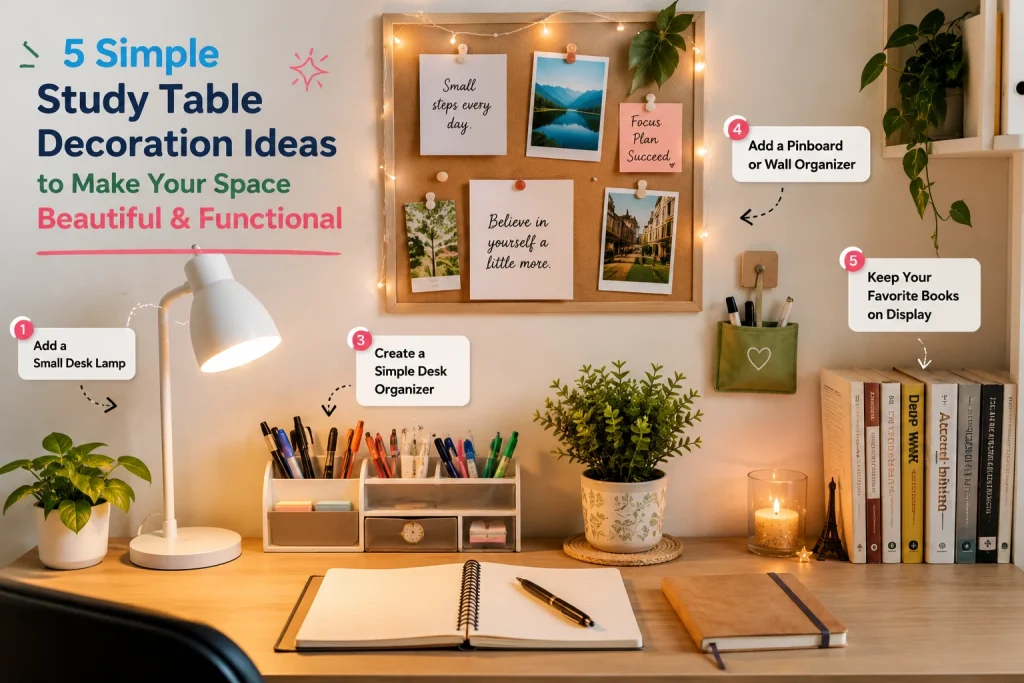
Study Table Decoration Ideas: How Can You Make Your Study Space More Beautiful and Functional?

Your study table doesn’t have to look boring just because it is a place for work or study. A few simple changes can make it feel cleaner, more comfortable, and more inspiring. The best part is that you don’t need a large budget or a big room to create a beautiful study corner.

Start by keeping the table simple. Remove things you don’t use every day and keep only the essentials, such as your laptop, books, notebooks, pens, and a small lamp. Once the basic setup is clean, you can add a few decorative pieces that match your style.

1. Add a Small Desk Lamp

A desk lamp is one of the easiest ways to improve both the look and usefulness of your study table. Choose a lamp with a simple design if you prefer a clean, modern setup. A warm light can make the space feel cozy, while a brighter neutral light can work well when you’re reading or working for long hours.

If your table is small, choose a compact lamp that doesn’t take up too much space. A flexible or adjustable lamp can be even more useful because you can direct the light exactly where you need it.

2. Use a Small Plant for a Fresh Look

A little greenery can make a study table feel much more alive. You don’t need a large indoor plant. A small pothos, succulent, snake plant, or artificial plant can work beautifully.

Place the plant in one corner of the desk so it doesn’t interfere with your workspace. If you don’t have much natural light, choose a low-maintenance plant or a good-quality artificial one.

3. Create a Simple Desk Organizer

Pens, pencils, markers, scissors, and other small items can quickly make a study table look messy. A desk organizer gives everything a proper place.

You can use a ready-made organizer or create a simple DIY version using small boxes, jars, or containers. Choose one that matches the color and style of your room.

4. Add a Pinboard or Wall Organizer

If you don’t have enough space on your table, use the wall above it. A pinboard can hold notes, reminders, photographs, small artwork, and inspirational quotes without taking up desk space.

For a rental apartment, consider removable or damage-free hanging options where suitable. Always check the weight limit and surface compatibility before installing anything.

5. Keep Your Favorite Books on Display

Books can become part of your study table decoration instead of simply being something you need for studying. Stack two or three attractive books horizontally and place a small decorative object or plant on top.

Don’t create a huge stack, though. Too many books can make the table feel crowded and make everyday studying less convenient.

6. Add a Minimal Desk Clock

A small desk clock can add a classic touch while also helping you stay aware of time. Choose a simple digital or analog design that doesn’t compete with the rest of your setup.

If you already use your phone or computer for time management, the clock can simply be a decorative element. A neutral color usually works well with most study table designs.

7. Use a Desk Mat

A desk mat is a simple upgrade that can make the entire table look more organized. It also creates a visual boundary for your keyboard, mouse, notebook, or other everyday items.

For a modern setup, try a plain black, beige, gray, brown, or muted color. If your room has a playful style, you can choose a patterned mat instead.

8. Decorate With Photos

A few personal photographs can make your study corner feel more like your own space. You could display a family photo, travel memory, favorite place, or picture with friends.

Keep the number of photos limited. Two or three well-placed pictures often look better than covering the entire table with frames.

9. Choose a Simple Color Theme

One of the easiest ways to make a study table look professionally decorated is to follow a small color palette.

For example:

StyleSuggested Colors
MinimalistWhite, gray, black
Warm & CozyBeige, cream, brown
ModernBlack, white, wood
NaturalGreen, beige, light wood
Soft & CalmWhite, pastel blue, cream
CreativeWhite with colorful accents

Try to repeat the same colors in your lamp, organizer, stationery, plant pot, and other accessories. This creates a more connected look.

10. Add a Small Wall Shelf

If you have enough wall space, a small shelf above the desk can provide both storage and decoration. You can use it for books, plants, small frames, candles, or decorative objects.

However, renters should be careful with wall-mounted shelves because installation may require drilling. If you’re renting, check your lease or ask the landlord before making permanent changes.

11. Try a Cozy Scandinavian-Style Setup

If you like simple and peaceful interiors, a Scandinavian-inspired study table can be a great choice. Use light wood, white or cream accessories, soft lighting, and a small green plant.

The goal is to keep the table visually light. Instead of filling every empty space, allow some areas to remain completely clear.

12. Create a Modern Minimalist Study Table

A minimalist desk focuses on function first. Keep only the things you actually use.

A laptop, desk lamp, notebook, pen holder, and small plant may be enough. Hide cables where possible and avoid collecting too many decorative items.

This style works especially well in small apartments because the table won’t make the room feel crowded.

13. Use Cable Management

Messy cables can ruin even a beautiful study table. Use simple cable clips, sleeves, or organizers to keep charging cables and computer wires under control.

Try to route cables toward the back or side of the desk instead of allowing them to spread across the workspace. A clean cable setup can make a surprisingly big difference.

14. Add a Small Decorative Tray

A tray can keep small objects together while making the desk look more intentional. You can place your watch, keys, glasses, sticky notes, or other small items inside it.

Choose a tray that fits the overall style of your room. A wooden tray works well for warm and natural interiors, while a simple metal or acrylic tray can suit a modern setup.

15. Use Inspirational Quotes Carefully

A motivational quote can add personality to your study space, especially if you’re preparing for exams or working toward a goal.

Instead of covering the wall with many quotes, choose one that genuinely means something to you. Frame it or place it on a small card stand.

A simple message can have more impact than a wall full of text.

16. Add Soft Textures

If your study corner feels too plain, introduce texture through small accessories. A fabric chair cushion, woven basket, wooden organizer, or textured desk mat can make the area feel warmer.

You don’t need to add many different materials. Two or three complementary textures are usually enough.

17. Make the Chair Part of the Decor

Don’t forget about the chair. Since it is one of the largest pieces around your study table, it can strongly affect the overall appearance.

Choose a comfortable chair that works with the table and room. If you already have a basic chair, you can improve its appearance with a simple cushion or seat cover.

Comfort should always come before decoration. A beautiful chair isn’t useful if you can’t sit comfortably while studying.

18. Keep the Table Clutter-Free

Perhaps the most important study table decoration idea is also the simplest: don’t overcrowd the table.

Decorative items are useful only when they don’t interfere with your work. Before adding something, ask yourself:

“Will this make my study space better, or will it simply take up space?”

If you use the table every day, functionality should always come first.

What Is the Best Way to Decorate a Study Table?

The best approach is to combine function, comfort, and personality. Start with a clean table, add good lighting, organize your stationery, and then introduce a few decorative elements such as a plant, photo, desk mat, or small artwork.

You don’t need expensive furniture or dozens of accessories. A simple study table with a consistent color palette and good organization can look much better than an expensive setup filled with unnecessary objects.

For most people, a minimalist setup with warm lighting, one small plant, an organizer, a desk mat, and a few personal touches offers the best balance between beauty and practicality.

A study table should ultimately make you want to sit down and get started. When everything has its place and the space feels comfortable, studying or working can become a much more enjoyable part of your day.

Elegant Home Decor: 25 Timeless Ideas to Create a Sophisticated and Luxurious Home

Elegant home decor is more than expensive furniture or luxury finishes—it’s about creating a balanced, refined, and welcoming space that feels timeless. By combining quality materials, thoughtful color palettes, beautiful lighting, and carefully selected accessories, you can transform any home into an elegant retreat.

Whether you’re decorating a small apartment, updating a family home, or designing a luxury living space, these elegant home decor ideas will help you achieve a polished look that never goes out of style.


What Is Elegant Home Decor?

Elegant home decor focuses on simplicity, harmony, and quality rather than excessive decoration. Every piece has a purpose, and every room feels organized, comfortable, and visually balanced.

Key Characteristics of Elegant Interiors

  • Neutral and calming color palettes
  • High-quality furniture and materials
  • Balanced room layouts
  • Soft layered lighting
  • Luxurious textures
  • Minimal clutter
  • Timeless accessories
  • Natural elements

Designer Tip: Elegant homes don’t feel crowded. Leave breathing room between furniture and decor to create an open, sophisticated atmosphere.


Choose a Neutral Color Palette

Neutral colors provide the perfect foundation for elegant interiors.

Popular color combinations include:

  • Warm White & Beige
  • Ivory & Taupe
  • Soft Gray & White
  • Cream & Gold
  • Greige & Charcoal
  • Sand & Olive Green

These colors make rooms feel brighter, larger, and more luxurious.

ColorCreates This Feeling
WhiteClean and spacious
CreamWarm and inviting
BeigeTimeless elegance
TaupeSophisticated
GrayModern luxury
Olive GreenNatural warmth
BlackDramatic contrast

Invest in Quality Furniture

Elegant interiors prioritize quality over quantity.

Choose furniture with:

  • Clean lines
  • Solid wood construction
  • Comfortable seating
  • Durable upholstery
  • Timeless silhouettes
  • Neutral fabrics

Avoid overly trendy pieces that may look outdated within a few years.


Layer Different Textures

Texture adds richness without overwhelming the room.

Mix materials such as:

  • Linen
  • Velvet
  • Marble
  • Brass
  • Glass
  • Wood
  • Cotton
  • Wool
  • Woven baskets
  • Ceramic

Layering textures creates depth while maintaining a calm aesthetic.


Upgrade Your Lighting

Lighting has one of the biggest impacts on how elegant a home feels.

Use multiple light sources:

  • Statement chandelier
  • Floor lamps
  • Table lamps
  • Wall sconces
  • LED accent lighting
  • Candles

Warm white lighting (2700K–3000K) creates a cozy and luxurious atmosphere.


Decorate with Statement Artwork

Large artwork instantly elevates a room.

Consider:

  • Abstract paintings
  • Botanical prints
  • Landscape photography
  • Black-and-white artwork
  • Minimalist canvas prints

Hang artwork at eye level for the best visual balance.


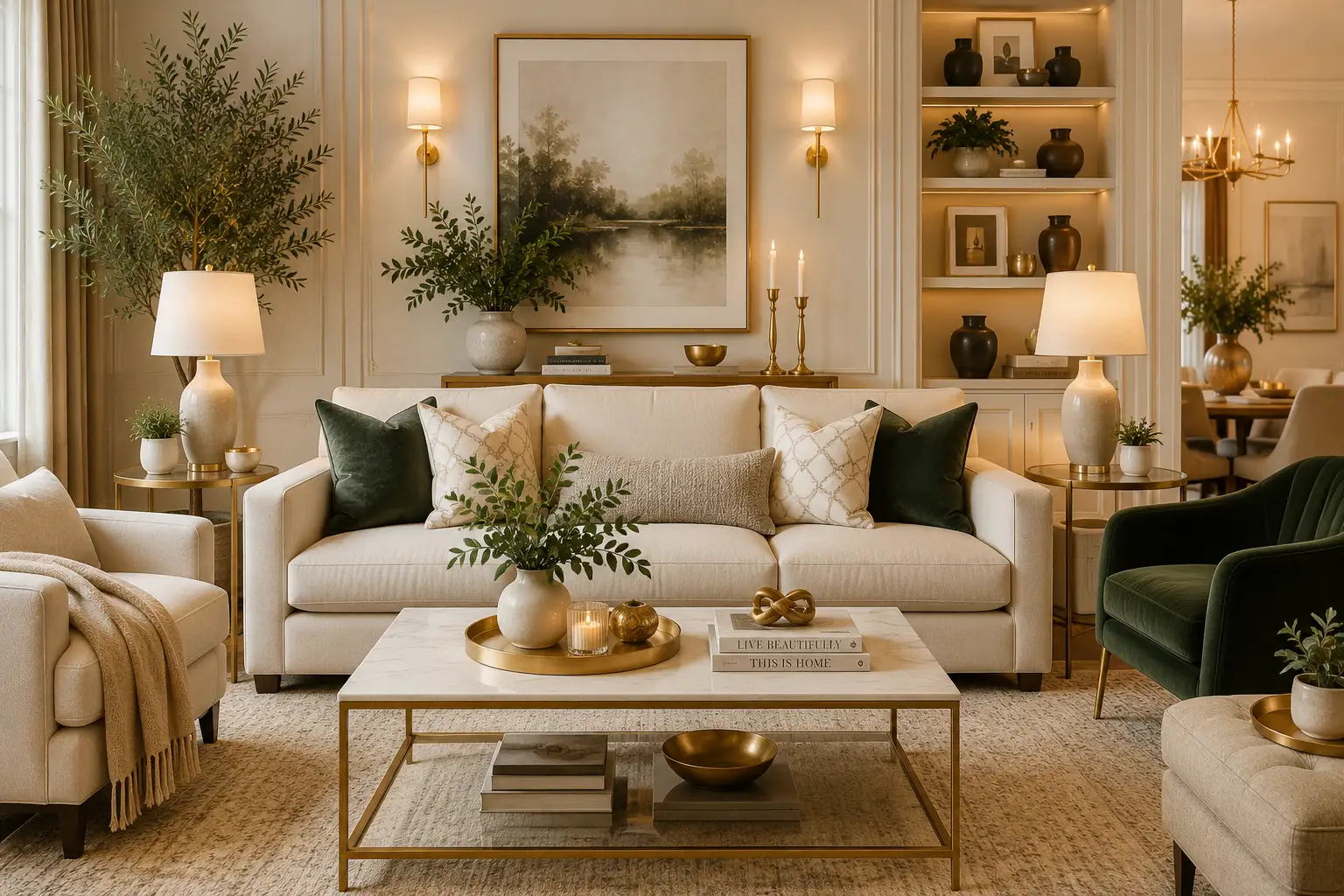
Style the Living Room Elegantly

Your living room should feel comfortable while maintaining a refined appearance.

Include:

  • Neutral sofa
  • Accent chairs
  • Marble or wood coffee table
  • Decorative tray
  • Coffee table books
  • Fresh flowers
  • Soft throw blankets
  • Velvet pillows

Avoid filling every surface with decorations.


Add Sophisticated Window Treatments

Floor-to-ceiling curtains create the illusion of taller ceilings.

Best fabric choices:

  • Linen
  • Cotton blends
  • Velvet
  • Sheer panels

Choose curtains that gently touch the floor for a tailored appearance.


Incorporate Natural Elements

Nature softens elegant interiors.

Add:

  • Olive trees
  • Snake plants
  • Fiddle Leaf Fig
  • White orchids
  • Fresh flowers
  • Wooden bowls
  • Stone accessories

Natural elements create warmth and freshness.


Use Mirrors to Brighten Spaces

Mirrors reflect light and make rooms appear larger.

Popular choices include:

  • Round mirrors
  • Arched mirrors
  • Gold-framed mirrors
  • Black metal mirrors
  • Full-length mirrors

Position mirrors opposite windows whenever possible.


Create an Elegant Bedroom

A luxurious bedroom should feel calm and restful.

Essential Elements

  • Upholstered headboard
  • Crisp white bedding
  • Layered pillows
  • Soft throw blanket
  • Matching bedside lamps
  • Neutral rug
  • Blackout curtains
  • Minimal decor

High-quality bedding makes a significant difference in both comfort and appearance.


Elevate Your Dining Room

Elegant dining rooms encourage relaxed entertaining.

Include:

  • Statement chandelier
  • Large dining table
  • Upholstered chairs
  • Linen table runner
  • Fresh centerpiece
  • Decorative candles

Keep the table uncluttered for a sophisticated look.


Add Luxury Through Small Details

Luxury often comes from thoughtful finishing touches.

Examples include:

  • Brass hardware
  • Marble trays
  • Crystal vases
  • Ceramic bowls
  • Decorative books
  • Sculptural objects
  • Scented candles

These details add personality without overwhelming the room.


Declutter Every Space

Nothing looks elegant in a cluttered room.

Decluttering tips:

  1. Remove unnecessary accessories.
  2. Store everyday items out of sight.
  3. Organize shelves intentionally.
  4. Use decorative storage baskets.
  5. Leave empty space between decorative objects.

A clean room always feels more luxurious.


Elegant Home Decor on a Budget

You don’t need a huge budget to create a refined home.

Affordable upgrades include:

  • Paint walls in neutral colors
  • Replace cabinet handles
  • Add decorative pillows
  • Buy second-hand furniture
  • Install peel-and-stick wallpaper
  • Add indoor plants
  • Update lighting fixtures
  • Use oversized mirrors
  • Style open shelves
  • Refresh rugs and curtains

Elegant Decor Room Checklist

RoomMust-Have Elements
Living RoomNeutral sofa, layered lighting, coffee table styling
BedroomQuality bedding, upholstered headboard, soft lighting
KitchenBrass hardware, wooden accents, organized countertops
BathroomPlush towels, decorative trays, elegant mirror
Dining RoomStatement lighting, centerpiece, upholstered chairs
EntrywayConsole table, mirror, decorative basket

Common Mistakes to Avoid

Avoid these decorating mistakes if you want a truly elegant home:

  • Buying too many decorative accessories
  • Mixing too many colors
  • Choosing harsh lighting
  • Ignoring furniture scale
  • Hanging curtains too low
  • Filling every empty wall
  • Following short-lived trends
  • Sacrificing comfort for appearance

Timeless elegance comes from thoughtful design, not excess.


Expert Styling Tips

Professional interior designers often recommend:

  • Stick to one consistent design style.
  • Invest in fewer, better-quality pieces.
  • Mix natural materials for warmth.
  • Use odd-numbered decorative groupings.
  • Introduce subtle metallic accents.
  • Refresh fresh flowers or greenery weekly.
  • Keep surfaces clean and organized.
  • Prioritize comfort alongside beauty.

Key Takeaway: Elegant decorating is about creating a home that feels calm, inviting, and intentional—not simply expensive.


Frequently Asked Questions

What makes a home look elegant?

A neutral color palette, quality furniture, layered lighting, luxurious textures, and minimal clutter are the key elements that make a home look elegant.

Which colors are best for elegant home decor?

Timeless choices include white, cream, beige, taupe, warm gray, olive green, and soft black accents. These colors create a refined and calming atmosphere.

Can I create an elegant home on a budget?

Yes. Painting walls, updating lighting, replacing hardware, adding indoor plants, and using high-quality textiles are affordable ways to achieve an elegant look.

What decorating style is the most timeless?

Modern Classic, Transitional, Scandinavian, and Japandi styles are known for their timeless appeal because they focus on simplicity, balance, and quality materials.

How do I make a small home look elegant?

Use light colors, maximize natural light, choose appropriately sized furniture, add mirrors, keep clutter to a minimum, and invest in a few statement pieces instead of many small decorations.


Conclusion

Elegant home decor is about creating a space that feels sophisticated, comfortable, and timeless. By choosing a neutral color palette, investing in quality furniture, layering textures, improving lighting, and keeping your home organized, you can achieve a luxurious look without overwhelming your space or your budget.

Top Home Decor Trends to Transform Your Living Space

Creating a beautiful, cohesive, and modern living environment requires balancing timeless functionality with fresh aesthetic directions. Today’s interior design landscape focuses on authenticity, warmth, natural materials, and personalized touches that turn houses into true homes.

Whether you are planning a full home renovation or looking for simple weekend refreshes, staying ahead of current home decor trends will help you design a space that feels elevated yet comfortable.

Key Trends Defining Modern Interior Design

1. Earthy Palettes and Warm Neutrals

The era of stark, cold white interiors and harsh monochromatic grays has officially given way to warm, grounding color schemes. Modern homes are embracing nature-inspired hues that foster tranquility and comfort.

  • Terracotta & Clay: Deep reddish-brown tones add immediate warmth to living rooms and dining areas.
  • Sage & Olive Greens: Soft greens serve as “new neutrals,” bringing the refreshing essence of the outdoors inside.
  • Warm Ochre & Mustard: Vibrant, earthy yellows inject personality without overwhelming the senses.

Key Takeaway: Replace cool grays with beige, taupe, or soft warm plaster finishes to make your room feel instantly cozier and more inviting.

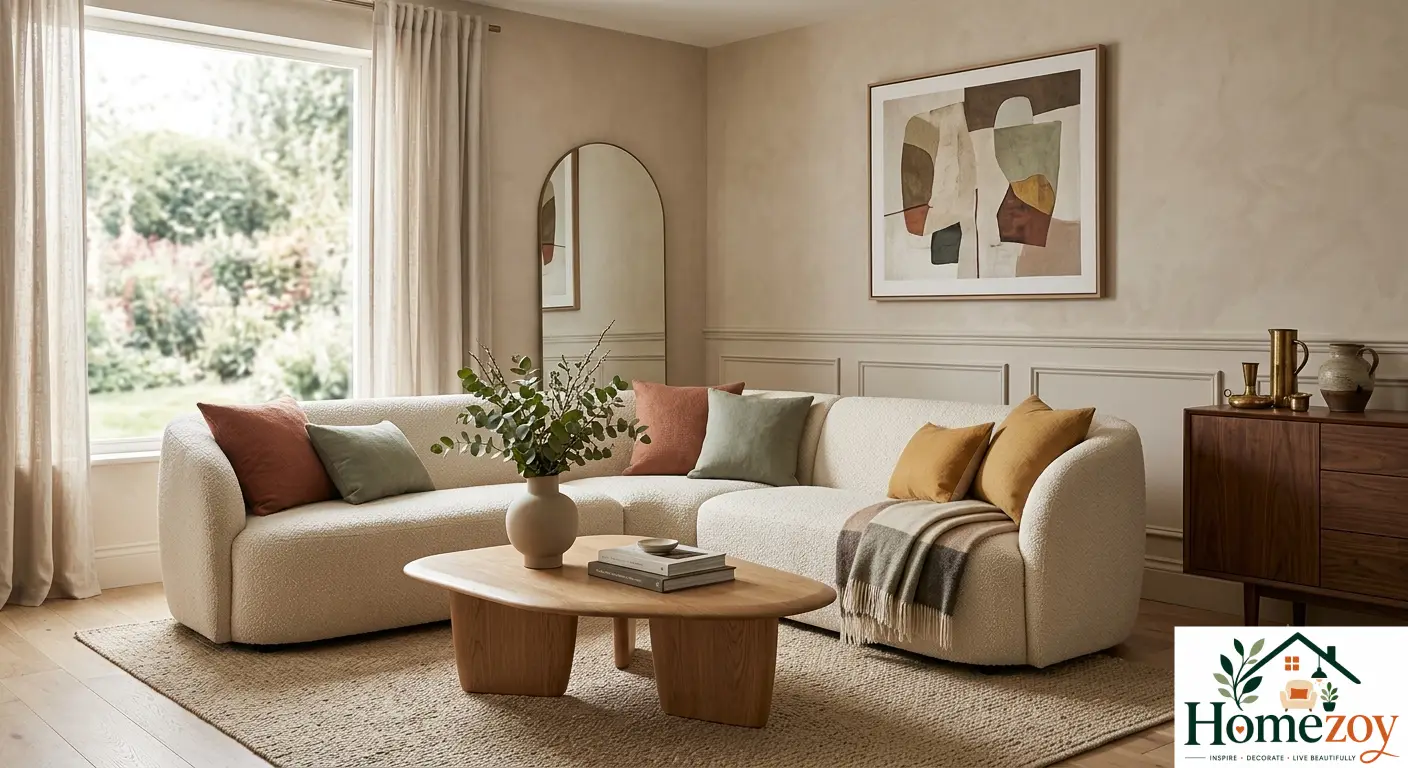
2. Curved Furniture and Organic Silhouettes

Rigid geometries and sharp boxy furniture are being replaced by soft, fluid contours. Curved elements break the monotony of straight architectural lines, creating a natural flow throughout the room.

  • Arched Doorways and Mirrors: Soften structural transitions and reflect light effectively.
  • Curved Sectionals and Armchairs: Promote conversational arrangements and add a sculptured, artistic touch.
  • Organic Coffee Tables: Pebble-shaped or rounded wooden tables add tactile interest.

3. Layered Textures and Mixed Wood Tones

Relying on a single fabric or one uniform wood stain can leave a room feeling flat and showroom-like. The current trend emphasizes mixing materials thoughtfully to create visual depth.

  • Combining Wood Finishes: Pair light oak floors with rich walnut furniture or dark timber cabinetry.
  • Tactile Fabrics: Layer bouclé, brushed linen, velvet, and natural wool across cushions, drapes, and upholstery.
  • Matte Ceramics & Stone: Incorporate unglazed pottery, travertine, and marble accents for raw, authentic character.
┌─────────────────────────────────────────────────────────────┐
│                 HOW TO LAYER TEXTURES                                                                                                   │
├─────────────────────────────────────────────────────────────┤
│ Base Layer   : Natural Wood Flooring / Sisal Area Rug                                                                        │
│ Mid Layer    : Textured Fabric Sofa (Bouclé / Woven Linen)                                                                 │
│ Accent Layer : Marble Coffee Table + Velvet Throw Pillows                                                                 |
└─────────────────────────────────────────────────────────────┘

Room-by-Room Decor Ideas

RoomKey Focus AreaRecommended Decor Element
Living RoomFocal Point & ComfortCurved sectional sofa, mixed wood coffee table, layered lighting
KitchenWarmth & FunctionalityWarm wood cabinetry, natural stone countertops, warm brass hardware
BedroomRestful AtmosphereUpholstered headboards, muted sage or clay wall colors, linen bedding
BathroomSpa-like SerenityMatte stone tiles, fluted vanity panels, warm ambient backlighting

Modern Heritage: Blending Old with New

One of the most meaningful movements in current home decor is Modern Heritage. This style bridges vintage charm with sleek contemporary functionality, preventing spaces from looking overly sterile or cookie-cutter.

  1. Incorporate Vintage Finds: A weathered antique sideboard or vintage brass mirror adds instant history and soul.
  2. Combine Classic Moldings with Modern Art: Frame crisp, modern abstract artwork above traditional wall wainscoting or paneling.
  3. Upcycle & Reclaim: Repurpose high-quality vintage furniture items with new upholstery or updated hardware.

Sustainable and Slow Living Interiors

Eco-conscious choices are no longer just an alternative—they are a central pillar of modern design. Homeowners prioritize quality over fast-decor trends that wear out quickly.

  • Sustainably Sourced Timber: FSC-certified solid wood pieces designed to last generations.
  • Handcrafted Artisanal Decor: Hand-knotted rugs, hand-blown glass, and handmade ceramics that support local craftspeople.
  • Energy-Efficient Smart Lighting: Layered LED lighting systems that allow customization of color temperature to support circadian rhythms.

Frequently Asked Questions (FAQ)

What is the most popular color trend for home decor right now?

Earthy, nature-inspired tones like terracotta, sage green, warm ochre, and rich warm neutrals are dominating interior color trends. Cool grays and stark white tones are being phased out in favor of warmer palettes.

How can I make my living room look trendy on a budget?

Focus on high-impact, lower-cost updates: swap pillow covers for textured fabrics like bouclé or velvet, paint an accent wall in a warm earth tone, introduce organic curved decor pieces like ceramic vases, and incorporate indoor plants for natural warmth.

Can you mix light and dark wood furniture in the same room?

Yes, mixing wood tones is encouraged. The key is maintaining a consistent undertone (either all warm undertones or all cool undertones) while varying the darkness of the stains to create balance and depth.

Conclusion

Updating your home decor doesn’t mean changing everything all at once. By thoughtfully incorporating warm earth tones, soft organic shapes, mixed wood finishes, and sustainable craftsmanship, you can curate a space that feels timely, comfortable, and distinctly yours. Focus on quality pieces that tell a story, and let your living space evolve naturally over time.

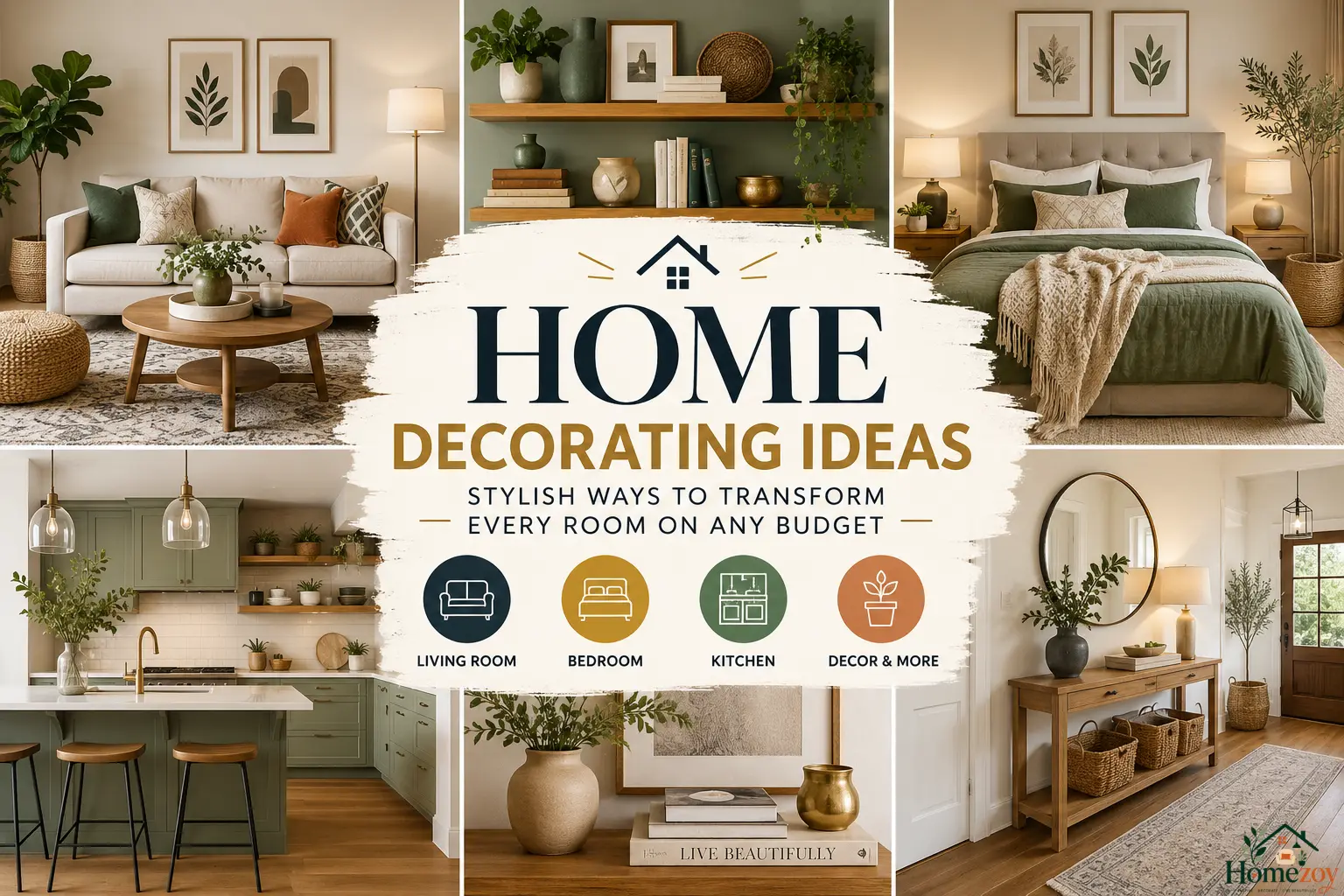
Home Decorating Ideas: 35 Stylish Ways to Transform Every Room on Any Budget

A beautifully decorated home isn’t about spending a fortune or following every new trend. The best home decorating ideas combine comfort, functionality, and personal style to create spaces that feel welcoming and reflect your personality. Whether you’re decorating your first apartment, refreshing a family home, or simply looking for new inspiration, the right design choices can dramatically improve how your home looks and feels.

In this comprehensive guide, you’ll discover practical decorating ideas for every room, timeless design principles, budget-friendly upgrades, and expert styling tips that help you create a home you’ll love for years to come.


Why Home Decorating Matters

Home decorating goes beyond aesthetics. A thoughtfully designed home can:

  • Improve comfort and functionality
  • Create a relaxing atmosphere
  • Increase property appeal
  • Reflect your personality
  • Improve organization
  • Boost productivity when working from home
  • Make entertaining guests more enjoyable

Expert Tip: Great decorating isn’t about filling every empty space—it’s about creating balance, harmony, and intentional design.


Start with a Decorating Plan

Before buying furniture or accessories, create a simple decorating plan.

Ask Yourself:

  • What’s my decorating budget?
  • Which room needs attention first?
  • What style do I prefer?
  • What colors make me feel comfortable?
  • Which existing furniture should I keep?

Create a Mood Board

Collect inspiration from:

  • Interior design magazines
  • Pinterest
  • Home decor blogs
  • Furniture websites
  • Instagram design accounts

A mood board helps prevent impulse purchases and keeps your design cohesive.


Choose Your Decorating Style

Finding your preferred style makes decorating much easier.

StyleCharacteristicsBest For
ModernClean lines, neutral colorsMinimalist homes
ScandinavianLight wood, white walls, cozy texturesSmall spaces
FarmhouseRustic wood, vintage accentsCozy family homes
BohemianColorful textiles, layered decorCreative personalities
IndustrialMetal, exposed brick, dark finishesLofts and apartments
JapandiJapanese simplicity + Scandinavian warmthCalm interiors
CoastalWhites, blues, natural texturesBright relaxing spaces
TraditionalClassic furniture, elegant detailsTimeless interiors

Living Room Decorating Ideas

The living room often serves as the center of the home.

1. Create a Focal Point

Choose one feature that immediately draws attention.

Examples include:

  • Fireplace
  • Large artwork
  • Statement TV wall
  • Built-in shelves
  • Accent wall

Everything else should complement this focal point.


2. Layer Lighting

Instead of relying on one ceiling light, combine different lighting sources.

Include:

  • Ceiling fixtures
  • Floor lamps
  • Table lamps
  • Wall sconces
  • LED accent lighting

Layered lighting makes rooms feel larger and more inviting.


3. Add Texture

Texture adds visual interest without clutter.

Mix materials like:

  • Linen
  • Velvet
  • Leather
  • Cotton
  • Wood
  • Glass
  • Metal
  • Woven baskets

4. Style Your Coffee Table

A simple formula works every time:

  • Decorative tray
  • Small plant
  • Candle
  • Coffee table book
  • Decorative object

Avoid overcrowding the surface.


5. Incorporate Greenery

Indoor plants instantly make rooms feel alive.

Popular options include:

  • Snake Plant
  • Pothos
  • Monstera
  • ZZ Plant
  • Peace Lily
  • Rubber Plant

Bedroom Decorating Ideas

A bedroom should feel peaceful and relaxing.

Invest in Quality Bedding

Beautiful bedding creates a luxurious look.

Layer:

  • Sheets
  • Quilt
  • Duvet
  • Throw blanket
  • Decorative pillows

Stick to a cohesive color palette.


Use Soft Lighting

Warm lighting creates a relaxing atmosphere.

Choose:

  • Bedside lamps
  • Pendant lights
  • Wall sconces
  • Smart bulbs with dimming features

Add an Accent Wall

Ideas include:

  • Wood slats
  • Wallpaper
  • Board and batten
  • Painted feature wall
  • Textured panels

An accent wall creates visual depth without overwhelming the room.


Keep Nightstands Functional

Include only essentials:

  • Lamp
  • Book
  • Water glass
  • Small plant
  • Decorative tray

Kitchen Decorating Ideas

A stylish kitchen balances beauty with practicality.

Decorate Open Shelves

Mix functional items with decorative pieces.

Display:

  • Ceramic bowls
  • Wooden cutting boards
  • Glass jars
  • Cookbooks
  • Small plants

Upgrade Hardware

Replacing cabinet handles is an inexpensive upgrade.

Popular finishes:

  • Matte black
  • Brushed brass
  • Satin nickel
  • Bronze

Use Under-Cabinet Lighting

Benefits include:

  • Better visibility
  • Modern appearance
  • Warm ambiance
  • Increased functionality

Add Natural Materials

Natural wood accessories soften modern kitchens.

Examples:

  • Wooden trays
  • Cutting boards
  • Fruit bowls
  • Floating shelves

Bathroom Decorating Ideas

Bathrooms deserve just as much attention.

Simple upgrades include:

  • Matching towels
  • Decorative soap dispensers
  • Floating shelves
  • Framed mirrors
  • Plants
  • Storage baskets

Small changes can dramatically improve the space.


Dining Room Decorating Ideas

A dining room should encourage conversation.

Decorating essentials:

  • Statement chandelier
  • Large centerpiece
  • Area rug
  • Wall artwork
  • Decorative candles
  • Buffet styling

Keep table decor simple enough for everyday use.


Entryway Decorating Ideas

Your entryway creates the first impression.

Include:

  • Console table
  • Mirror
  • Shoe storage
  • Decorative bowl
  • Hooks
  • Bench
  • Indoor plant

A functional entryway keeps the entire home organized.


Home Office Decorating Ideas

A productive workspace should feel inspiring.

Must-have elements:

  • Comfortable chair
  • Adjustable lighting
  • Floating shelves
  • Desk organizers
  • Neutral background
  • Indoor plants

Avoid excessive decoration that creates distractions.


Wall Decorating Ideas

Blank walls offer endless decorating opportunities.

Gallery Walls

Mix:

  • Family photos
  • Art prints
  • Typography
  • Mirrors
  • Frames of different sizes

Keep spacing consistent.


Oversized Artwork

One large piece often looks better than several small pieces.

Choose artwork that complements your room’s color palette.


Decorative Mirrors

Mirrors:

  • Reflect light
  • Make rooms appear larger
  • Add elegance
  • Brighten dark corners

Round mirrors remain especially popular.


Decorating with Color

Color affects mood more than many people realize.

ColorFeeling
WhiteClean and spacious
BeigeWarm and timeless
GraySophisticated
GreenCalm and natural
BlueRelaxing
TerracottaWarm and inviting
BlackBold and modern
NavyElegant

Stick to the 60-30-10 rule:

  • 60% dominant color
  • 30% secondary color
  • 10% accent color

This creates visual balance.


Budget-Friendly Home Decorating Ideas

You don’t need a large budget to achieve impressive results.

Affordable improvements include:

  1. Paint walls
  2. Replace cabinet hardware
  3. Rearrange furniture
  4. Add indoor plants
  5. Use peel-and-stick wallpaper
  6. Replace throw pillows
  7. Add new curtains
  8. Display books creatively
  9. Upgrade lighting
  10. Use thrifted decor

Many professional designers recommend refreshing accessories before replacing furniture.


Seasonal Decorating Ideas

Refreshing your decor seasonally keeps your home feeling new.

Spring

  • Fresh flowers
  • Pastel colors
  • Light fabrics
  • Botanical prints

Summer

  • Coastal decor
  • Linen textiles
  • Bright greenery
  • Woven baskets

Fall

  • Warm colors
  • Pumpkins
  • Cozy blankets
  • Candles

Winter

  • Faux fur throws
  • Evergreen branches
  • Soft lighting
  • Neutral textures

Common Decorating Mistakes to Avoid

Many homeowners make these mistakes:

  • Buying furniture that’s too large
  • Ignoring proper lighting
  • Hanging artwork too high
  • Matching every piece of furniture
  • Choosing paint before furniture
  • Overcrowding shelves
  • Ignoring room flow
  • Following trends without considering personal style

Avoiding these mistakes creates a more polished home.


Smart Decorating Tips from Interior Designers

Professional designers often recommend:

  • Measure every room before shopping.
  • Leave breathing space between furniture.
  • Mix old and new pieces.
  • Decorate in layers.
  • Use odd-numbered decorative groupings.
  • Invest in timeless furniture.
  • Add personality through accessories.
  • Prioritize comfort over trends.
  • Use quality lighting.
  • Edit your decor regularly.

Key Takeaway: A well-decorated home evolves over time. Build your space gradually instead of trying to complete every room at once.


Room-by-Room Decorating Checklist

RoomPriority Items
Living RoomSofa, rug, lighting, artwork, plants
BedroomBed, bedding, lamps, curtains
KitchenHardware, lighting, storage, accessories
BathroomTowels, mirror, baskets, plants
Dining RoomTable, lighting, centerpiece
EntrywayConsole, mirror, storage
OfficeDesk, chair, lighting, shelves

Frequently Asked Questions

What is the easiest way to decorate a home?

Start by decluttering, choosing a cohesive color palette, improving lighting, and adding a few decorative accessories like plants, artwork, and textured pillows. Small updates often have the biggest visual impact.


How can I decorate my home on a small budget?

Focus on affordable improvements such as painting walls, replacing cabinet hardware, adding indoor plants, using thrifted decor, updating textiles, and rearranging furniture before purchasing expensive items.


What home decorating style is most timeless?

Modern, Scandinavian, Transitional, and Traditional styles remain popular because they emphasize clean lines, neutral colors, quality materials, and functional layouts that don’t quickly go out of fashion.


How do I choose colors for my home?

Begin with one main neutral color, add a complementary secondary color, and finish with a few accent colors. Following the 60-30-10 color rule creates a balanced and visually appealing interior.


What decorating mistake should I avoid first?

One of the biggest mistakes is buying furniture that’s too large for the room. Always measure your space carefully before making major purchases to ensure comfortable movement and proper proportions.


Conclusion

The best home decorating ideas combine style, comfort, and functionality to create spaces that truly feel like home. Whether you’re refreshing a single room or redesigning your entire house, thoughtful planning, balanced color palettes, layered lighting, natural textures, and carefully chosen accessories can dramatically transform your living environment.

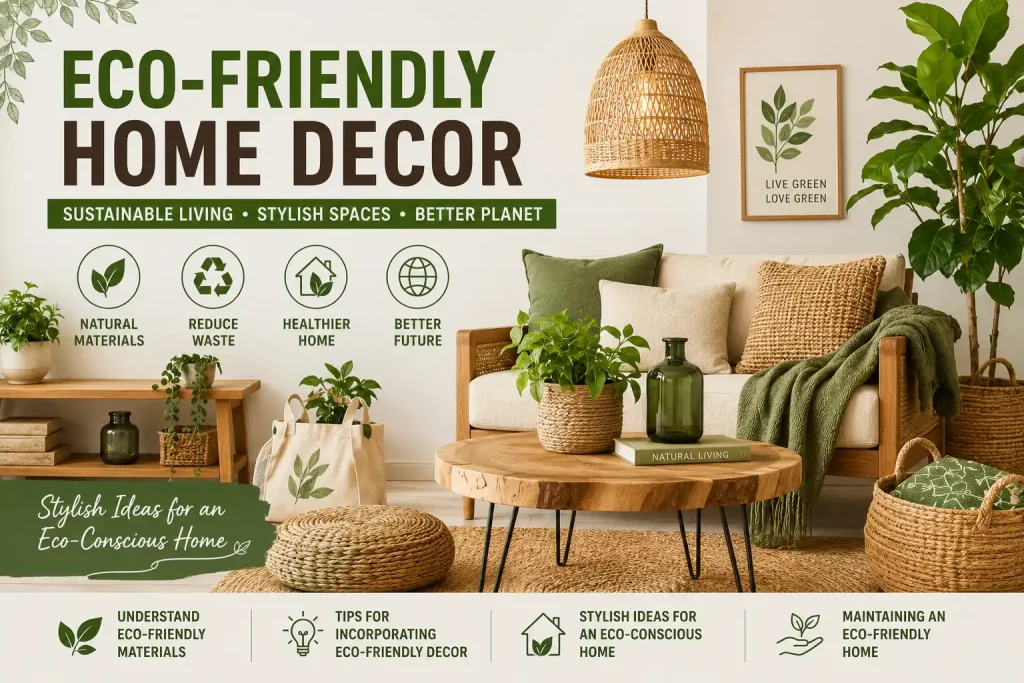
The Ultimate Guide to Eco-Friendly Home Decor

Creating an eco-friendly home doesn’t mean sacrificing style or comfort. In fact, sustainable home decor combines beautiful design with environmentally responsible choices, helping you create a healthier living space while reducing your environmental impact. From choosing natural materials to decorating with reclaimed furniture and energy-efficient accessories, there are countless ways to make your home both stylish and sustainable.

Whether you’re redesigning a single room or embracing a greener lifestyle throughout your home, these practical ideas will help you build a space that’s beautiful, functional, and kind to the planet.


Understanding Eco-Friendly Materials

One of the first steps toward sustainable home decorating is choosing materials that have minimal environmental impact. Eco-friendly materials are renewable, recycled, biodegradable, or responsibly sourced, making them a better alternative to synthetic or disposable products.

Bamboo

Bamboo is one of the most sustainable materials available because it grows rapidly without requiring excessive water or pesticides.

Common bamboo home products include:

  • Furniture
  • Shelving
  • Cutting boards
  • Flooring
  • Storage baskets
  • Window blinds

Its durability and natural appearance make it suitable for both modern and rustic interiors.


Reclaimed Wood

Reclaimed wood comes from old buildings, barns, or previously used furniture.

Benefits include:

  • Reduces deforestation
  • Prevents waste
  • Adds unique character
  • Extremely durable
  • Creates warm natural textures

Each reclaimed wood piece has its own distinctive grain and history.


Organic Cotton

Unlike conventional cotton, organic cotton is grown without harmful pesticides and synthetic fertilizers.

Popular uses include:

  • Bedding
  • Curtains
  • Throw blankets
  • Pillow covers
  • Table linens

Organic textiles are often softer, safer, and better for sensitive skin.


Linen

Made from flax plants, linen requires fewer resources than many other fabrics.

Why homeowners love linen:

  • Highly breathable
  • Long-lasting
  • Biodegradable
  • Naturally elegant
  • Perfect for every season

Linen curtains and bedding create a relaxed, timeless look.


Glass

Glass is endlessly recyclable and ideal for reducing plastic waste.

Common glass decor includes:

  • Storage jars
  • Vases
  • Candle holders
  • Pendant lights
  • Decorative bottles

Unlike plastic, glass doesn’t absorb odors or release harmful chemicals.


Natural Stone

Marble, slate, granite, and travertine are durable materials that can last for decades when properly maintained.

Natural stone is often used for:

  • Countertops
  • Decorative trays
  • Coffee tables
  • Flooring
  • Bathroom accessories

Rattan and Wicker

These renewable natural fibers add warmth and texture while remaining lightweight and durable.

Popular pieces include:

  • Chairs
  • Storage baskets
  • Mirrors
  • Pendant lights
  • Plant stands

Tips for Incorporating Eco-Friendly Decor

Making your home more sustainable doesn’t require replacing everything overnight. Gradual changes are both affordable and environmentally responsible.

Buy Quality Instead of Quantity

Choose well-made furniture and decor that will last for years rather than inexpensive items that need frequent replacement.

Investing in durability ultimately saves money while reducing waste.


Decorate with Houseplants

Indoor plants naturally improve your home’s appearance while creating a fresher environment.

Popular low-maintenance plants include:

  • Snake Plant
  • Pothos
  • ZZ Plant
  • Spider Plant
  • Peace Lily
  • Rubber Plant

Plants also add color and texture without increasing plastic consumption.


Use LED Lighting

LED bulbs consume significantly less electricity than traditional incandescent bulbs while lasting much longer.

Benefits include:

  • Lower energy bills
  • Reduced carbon footprint
  • Longer lifespan
  • Less heat production

Repurpose Existing Furniture

Instead of buying new furniture, consider:

  • Repainting cabinets
  • Refinishing wood tables
  • Updating drawer handles
  • Reupholstering chairs
  • Restaining shelves

Refreshing old furniture extends its life and reduces landfill waste.


Choose Natural Textiles

Decorate with sustainable fabrics such as:

  • Linen
  • Organic cotton
  • Hemp
  • Wool
  • Jute

Natural fibers add warmth while avoiding synthetic materials derived from petroleum.


Minimize Plastic Decor

Instead of plastic accessories, choose items made from:

  • Wood
  • Ceramic
  • Glass
  • Stone
  • Metal
  • Bamboo

These materials generally last longer and create a more timeless appearance.


Shop Vintage and Secondhand

Vintage furniture often features higher-quality craftsmanship than many mass-produced alternatives.

Shopping secondhand:

  • Reduces waste
  • Saves money
  • Supports local businesses
  • Creates one-of-a-kind interiors

Stylish Ideas for an Eco-Conscious Home

Sustainability and style can go hand in hand. Here are some inspiring decorating ideas for every room.

Create a Natural Color Palette

Earth-inspired colors create a calming atmosphere.

Popular shades include:

  • Sage green
  • Warm beige
  • Soft white
  • Sand
  • Olive
  • Terracotta
  • Clay
  • Light gray

These timeless colors pair beautifully with natural materials.


Mix Different Natural Textures

Layering textures creates depth and warmth.

Combine materials such as:

  • Linen
  • Wood
  • Wool
  • Bamboo
  • Stone
  • Rattan
  • Cotton

The result is a cozy and inviting living space.


Decorate with Handmade Pieces

Handcrafted decor often supports local artisans while reducing the environmental impact of mass production.

Ideas include:

  • Handmade pottery
  • Woven baskets
  • Ceramic vases
  • Wooden bowls
  • Artisan wall art

These unique pieces add personality to your home.


Display Indoor Plants Creatively

Arrange plants on:

  • Floating shelves
  • Window sills
  • Hanging planters
  • Plant stands
  • Bookshelves

Grouping plants together creates an attractive indoor garden effect.


Choose Multi-Functional Furniture

Furniture that serves multiple purposes reduces unnecessary consumption.

Examples include:

  • Storage ottomans
  • Extendable dining tables
  • Sofa beds
  • Storage benches
  • Nesting tables

Maximize Natural Light

Natural sunlight reduces electricity usage while making rooms appear larger and more welcoming.

Simple improvements include:

  • Sheer curtains
  • Mirrors
  • Light-colored walls
  • Minimal window coverings

Decorate with Recycled Accessories

Look for products made from recycled materials, including:

  • Recycled glass vases
  • Recycled metal sculptures
  • Reclaimed wood shelves
  • Upcycled decorative trays

These accessories give discarded materials a second life.


Room-by-Room Eco-Friendly Decor Ideas

Living Room

  • Organic cotton throw pillows
  • Bamboo coffee table
  • LED floor lamp
  • Reclaimed wood shelves
  • Jute area rug

Bedroom

  • Organic cotton bedding
  • Linen curtains
  • Natural wood nightstands
  • Wool throw blanket
  • Indoor plants

Kitchen

  • Glass storage jars
  • Bamboo utensils
  • Refillable soap dispensers
  • Compost bin
  • Reusable cloth towels

Bathroom

  • Bamboo toothbrush holder
  • Glass soap dispenser
  • Organic cotton towels
  • Wooden bath tray
  • Reusable storage baskets

Maintaining an Eco-Friendly Home

Creating a sustainable home is an ongoing process. Proper maintenance helps your eco-friendly choices last longer and continue benefiting both your household and the environment.

Clean with Natural Products

Replace harsh chemical cleaners with environmentally friendly alternatives.

Popular options include:

  • White vinegar
  • Baking soda
  • Lemon juice
  • Plant-based cleaning products

These solutions effectively clean while reducing chemical pollution.


Repair Instead of Replacing

Whenever possible:

  • Repair furniture
  • Tighten loose hardware
  • Repaint damaged surfaces
  • Replace small parts
  • Sew torn fabrics

Extending product life reduces waste and saves money.


Reduce Energy Consumption

Simple habits make a difference:

  • Turn off lights when leaving a room.
  • Unplug unused electronics.
  • Use smart power strips.
  • Wash clothes in cold water.
  • Air dry laundry when possible.

Recycle Correctly

Separate recyclable materials according to local guidelines.

Common recyclable materials include:

  • Glass
  • Aluminum
  • Paper
  • Cardboard
  • Certain plastics

Proper recycling prevents valuable materials from ending up in landfills.


Declutter Responsibly

Instead of throwing away unwanted items:

  • Donate usable furniture.
  • Sell quality decor.
  • Recycle damaged materials.
  • Repurpose old household items.

Responsible decluttering keeps useful products in circulation.


Refresh Instead of Replacing

A room can feel completely new with small updates such as:

  • Changing pillow covers
  • Rearranging furniture
  • Adding fresh plants
  • Swapping artwork
  • Painting walls

These affordable improvements reduce unnecessary consumption.


Quick Sustainability Checklist

ActionEnvironmental Benefit
Buy reclaimed wood furnitureReduces deforestation
Choose LED bulbsSaves energy
Use organic textilesReduces chemical use
Shop secondhandMinimizes waste
Decorate with plantsImproves indoor environment
Recycle household materialsConserves natural resources
Repair damaged furnitureExtends product lifespan
Use reusable storage containersReduces plastic waste

Final Thoughts

Designing an eco-friendly home is about making thoughtful choices that balance style, comfort, and sustainability. By selecting natural materials, investing in durable furniture, embracing reusable products, and maintaining energy-efficient habits, you can create a home that looks beautiful while supporting a healthier planet.

Remember that sustainability isn’t about achieving perfection overnight. Every small improvement—whether it’s adding houseplants, choosing organic textiles, repurposing old furniture, or reducing plastic use—contributes to a greener lifestyle. Over time, these simple changes create a home that’s not only visually appealing but also environmentally responsible, healthier for your family, and built to stand the test of time.

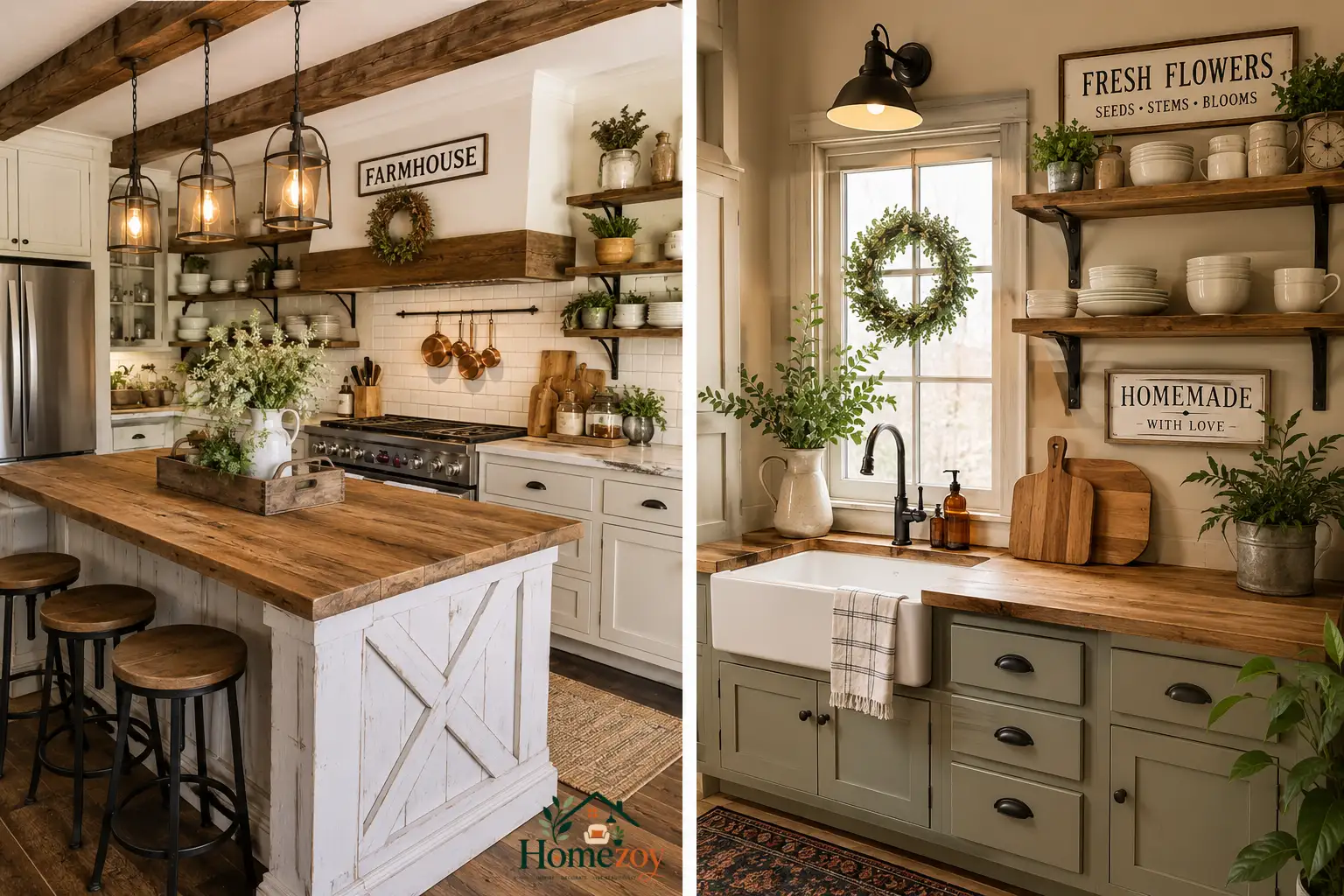
Farmhouse Kitchen Decor Ideas (2026) | Design Tips, Colors, Furniture & Inspiration

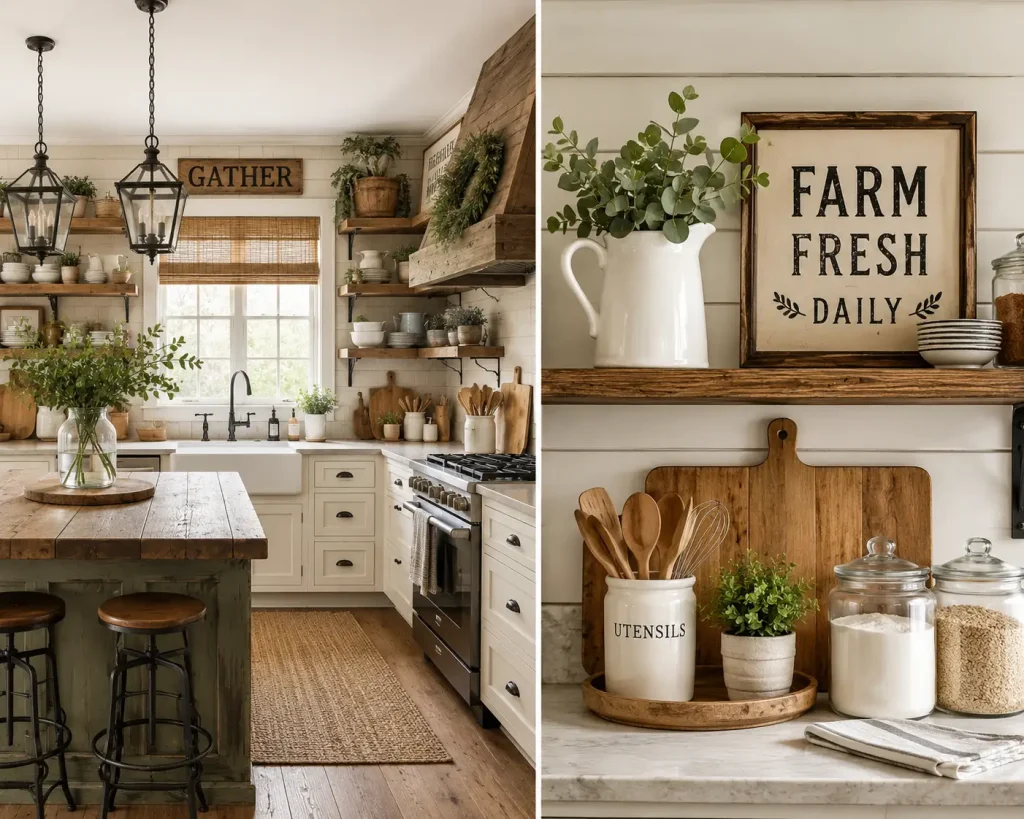
Farmhouse Kitchen Decor: The Complete Guide

Farmhouse kitchen decor has remained one of the most beloved interior design styles for years—and for good reason. It combines warmth, functionality, and timeless charm to create a welcoming space where cooking, dining, and gathering feel effortless. Whether you live in a country home, suburban house, or city apartment, farmhouse-inspired design can transform your kitchen into a cozy and inviting heart of the home.

Today’s farmhouse kitchens are no longer limited to rustic wooden cabinets and vintage accessories. Modern farmhouse design blends traditional country elements with clean lines, contemporary finishes, and practical layouts. The result is a beautiful kitchen that feels both stylish and comfortable.

In this comprehensive guide, you’ll discover everything you need to know about farmhouse kitchen decor, including design principles, trending ideas for 2026, color palettes, furniture, lighting, storage solutions, budget-friendly DIY projects, and expert decorating tips.


Product Link : Farmhouse Kitchen Decor Ceramic Flower Vase


What Is Farmhouse Kitchen Decor?

Farmhouse kitchen decor is an interior design style inspired by traditional country homes. It emphasizes natural materials, practical layouts, vintage-inspired details, and warm textures while creating a comfortable and welcoming atmosphere.

Unlike overly ornate kitchen styles, farmhouse design focuses on simplicity and functionality. Every decorative element should feel useful, lived-in, and timeless rather than overly polished.

The modern interpretation combines rustic charm with contemporary finishes such as quartz countertops, matte black fixtures, sleek lighting, and energy-efficient appliances.


Why Farmhouse Kitchens Continue to Be Popular

Farmhouse kitchens appeal to homeowners because they balance beauty and practicality.

Key reasons include:

  • Timeless design that doesn’t quickly go out of style
  • Warm, inviting atmosphere
  • Family-friendly layouts
  • Easy mix of old and new furniture
  • Excellent storage opportunities
  • Works well in both small and large kitchens
  • Highly customizable for personal taste

Rather than following short-lived design trends, farmhouse kitchens emphasize comfort and longevity.


Farmhouse vs. Modern Farmhouse

FeatureTraditional FarmhouseModern Farmhouse
ColorsWarm creams, beigeWhite, gray, black accents
CabinetsDistressed woodPainted shaker cabinets
HardwareBronze or ironMatte black or brushed brass
CountertopsButcher blockQuartz or marble-look quartz
LightingLantern fixturesIndustrial pendants
DecorAntique accessoriesMinimal rustic accents
Overall FeelRustic and vintageClean yet cozy

Both styles celebrate natural materials and craftsmanship, but modern farmhouse introduces cleaner lines and updated finishes.


Essential Elements of Farmhouse Kitchen Decor

Natural Wood

Wood is the foundation of farmhouse design. Incorporate it through:

  • Ceiling beams
  • Floating shelves
  • Kitchen islands
  • Dining tables
  • Bar stools
  • Cutting boards
  • Decorative trays

Mixing different wood tones creates depth and character.


Shaker Cabinets

Simple shaker cabinets remain the most popular cabinet style for farmhouse kitchens because of their clean lines and timeless appeal.

Popular cabinet colors include:

  • White
  • Warm cream
  • Sage green
  • Soft gray
  • Dusty blue
  • Natural oak

Apron Front Farmhouse Sink

One of the signature features of farmhouse kitchens is the apron-front sink.

Benefits include:

  • Deep basin
  • Comfortable to use
  • Attractive focal point
  • Excellent for washing large cookware

Materials include:

  • Fireclay
  • Stainless steel
  • Composite granite
  • Copper

Open Shelving

Open shelves create an airy feeling while displaying beautiful kitchen essentials.

Display items such as:

  • White dishes
  • Wooden bowls
  • Glass jars
  • Cookbooks
  • Vintage pitchers
  • Small potted herbs
  • Ceramic mugs

Avoid overcrowding shelves to maintain a clean look.


Rustic Hardware

Cabinet handles and drawer pulls help define the farmhouse aesthetic.

Popular finishes:

  • Matte black
  • Antique brass
  • Oil-rubbed bronze
  • Brushed nickel

Best Farmhouse Kitchen Color Schemes

Choosing the right color palette sets the tone for the entire kitchen.

Classic White Farmhouse

A timeless favorite featuring:

  • White cabinets
  • White subway tile
  • Natural wood accents
  • Black hardware

Perfect for creating a bright and spacious feel.


Warm Neutral Palette

Includes:

  • Cream
  • Beige
  • Taupe
  • Light brown
  • Warm gray

These colors create a cozy atmosphere while remaining versatile.


Sage Green Farmhouse

Sage green continues to be one of the biggest farmhouse color trends.

It pairs beautifully with:

  • Oak wood
  • Brass fixtures
  • White walls
  • Natural stone

Navy Blue Accents

Deep navy cabinetry or islands provide contrast while maintaining sophistication.


Black and White Farmhouse

A modern interpretation featuring:

  • White cabinetry
  • Black pendant lighting
  • Black faucets
  • White countertops
  • Wooden shelves

The result feels clean, elegant, and timeless.


Cabinets and Countertops

Best Cabinet Materials

  • Solid wood
  • Plywood construction
  • MDF with quality paint finish

Shaker-style doors remain the top recommendation.


Countertop Options

MaterialBenefits
QuartzDurable, low maintenance
Butcher BlockWarm rustic appearance
GraniteNatural beauty
MarbleLuxurious look
SoapstoneClassic farmhouse charm

Quartz remains one of the best all-around choices due to its durability and minimal maintenance.


Farmhouse Flooring Ideas

Flooring should complement the warm aesthetic while standing up to daily use.

Popular options include:

  • Wide-plank hardwood
  • Luxury vinyl plank (LVP)
  • Engineered hardwood
  • Stone-look tile
  • Brick flooring
  • Ceramic tile with wood appearance

Choose medium or light wood tones to brighten the space.


Farmhouse Kitchen Lighting

Lighting dramatically influences the mood and functionality of your kitchen.

Pendant Lights

Install pendant lights above:

  • Kitchen islands
  • Breakfast bars
  • Dining tables

Popular finishes include matte black, brass, and galvanized metal.


Lantern Chandeliers

Lantern-style fixtures add traditional farmhouse charm.


Under-Cabinet Lighting

LED lighting beneath cabinets improves visibility while creating a warm ambiance.


Wall Sconces

Perfect near open shelving or coffee stations for additional task lighting.


Farmhouse Kitchen Islands

The kitchen island often becomes the centerpiece of a farmhouse kitchen.

Features to consider:

  • Butcher block countertop
  • Built-in storage
  • Open shelving
  • Seating for family
  • Contrasting paint color
  • Decorative legs
  • Wine storage

A large island encourages gathering and meal preparation.


Open Shelving Inspiration

Open shelving allows decorative and functional items to become part of the design.

Display combinations include:

  • White plates
  • Wooden cutting boards
  • Glass canisters
  • Vintage scales
  • Mason jars
  • Handmade pottery
  • Small baskets

Keep everyday essentials within easy reach.


Farmhouse Sink Options

The farmhouse sink combines practicality with visual appeal.

Fireclay

  • Durable
  • Scratch-resistant
  • Traditional appearance

Stainless Steel

  • Modern
  • Easy to clean
  • Affordable

Copper

  • Unique character
  • Develops natural patina
  • Antimicrobial properties

Granite Composite

  • Durable
  • Heat resistant
  • Modern farmhouse style

Rustic Wall Decor Ideas

Decorate walls thoughtfully to enhance the farmhouse aesthetic.

Ideas include:

  • Wooden signs
  • Framed botanical prints
  • Vintage clocks
  • Antique mirrors
  • Woven baskets
  • Floating shelves
  • Chalkboards
  • Family recipe displays

Limit wall decor to avoid visual clutter.


Farmhouse Kitchen Accessories

Accessories add personality without overwhelming the space.

Popular choices include:

  • Ceramic pitchers
  • Wooden trays
  • Bread boxes
  • Mason jars
  • Linen towels
  • Wooden utensils
  • Enamel cookware
  • Vintage scales
  • Handmade pottery
  • Fresh flowers

Functional Storage Solutions

Farmhouse kitchens emphasize organization.

Storage ideas include:

Pull-Out Pantry

Makes food easily accessible.

Basket Storage

Store fruits, vegetables, or linens in woven baskets.

Peg Rails

Hang aprons, towels, mugs, and utensils.

Plate Racks

Display dishes while saving cabinet space.

Drawer Organizers

Keep utensils neatly separated.


Decorating a Small Farmhouse Kitchen

Small kitchens can still embrace farmhouse style.

Tips include:

  • Use white cabinets to brighten the room.
  • Choose open shelving instead of upper cabinets.
  • Add mirrors to reflect light.
  • Select compact furniture.
  • Install under-cabinet lighting.
  • Use vertical storage.
  • Keep countertops clutter-free.

A light color palette and thoughtful organization can make a compact kitchen feel much larger.


Farmhouse Kitchen Styles

Rustic Farmhouse

Features reclaimed wood, vintage accessories, and weathered finishes.


Modern Farmhouse

Blends rustic materials with sleek cabinetry and contemporary fixtures.


Cottage Farmhouse

Uses pastel colors, floral accents, and charming vintage pieces.


Industrial Farmhouse

Combines exposed metal, concrete, wood, and black finishes for a bold yet cozy look.


Seasonal Farmhouse Decorating Ideas

Spring

  • Fresh flowers
  • Green wreaths
  • Botanical prints
  • Light linen textiles

Summer

  • Citrus bowls
  • Woven baskets
  • Bright white linens
  • Fresh herbs

Autumn

  • Pumpkins
  • Wheat bundles
  • Warm plaid runners
  • Copper accents

Winter

  • Evergreen garlands
  • Candles
  • Wooden ornaments
  • Cozy textiles

Changing a few accessories each season keeps your kitchen feeling fresh year-round.


DIY Farmhouse Kitchen Decor Projects

Creating your own decor is a budget-friendly way to personalize your space.

Reclaimed Wood Floating Shelves

Install rustic wooden shelves to display dishes and decor.

Painted Mason Jar Organizers

Use jars to store utensils or fresh herbs.

Wooden Tray

Build a simple tray for coffee supplies or decorative accents.

Chalkboard Menu Board

Create a reusable menu planner for weekly meals.

Vintage Crate Storage

Repurpose wooden crates for produce or pantry items.


Common Decorating Mistakes to Avoid

  • Overloading shelves with decor
  • Mixing too many wood finishes without balance
  • Choosing lighting that’s too small
  • Ignoring practical storage needs
  • Using excessive distressed furniture
  • Forgetting task lighting
  • Prioritizing style over functionality

A successful farmhouse kitchen combines beauty with everyday usability.


Farmhouse Kitchen Decor Checklist

Use this checklist when planning your design:

  • White or neutral cabinetry
  • Apron-front sink
  • Shaker cabinet doors
  • Natural wood accents
  • Matte black or brass hardware
  • Quartz or butcher block countertops
  • Open shelving
  • Pendant lighting
  • Functional island
  • Warm neutral color palette
  • Organized storage
  • Minimal yet meaningful decor

Frequently Asked Questions

Is farmhouse kitchen decor still in style?

Yes. Farmhouse kitchens remain one of the most popular interior design styles because of their timeless appeal, functionality, and adaptability. Modern farmhouse designs continue to evolve with updated finishes and contemporary appliances.


What colors work best in a farmhouse kitchen?

White, cream, beige, warm gray, sage green, navy blue, and natural wood tones are among the most popular choices. These colors create a bright, welcoming atmosphere while complementing rustic materials.


Can farmhouse decor work in a small kitchen?

Absolutely. Light colors, open shelving, compact furniture, and smart storage solutions help smaller kitchens achieve the farmhouse look without feeling cramped.


What flooring is best for farmhouse kitchens?

Wide-plank hardwood, luxury vinyl plank, engineered wood, and stone-look tile are all excellent options. Choose durable materials that can withstand daily wear while maintaining a warm appearance.


How do I make my kitchen look farmhouse on a budget?

Focus on affordable updates such as painting cabinets, replacing hardware, adding floating shelves, displaying wooden cutting boards, using woven baskets, installing new light fixtures, and incorporating vintage-inspired accessories.


Is modern farmhouse different from rustic farmhouse?

Yes. Rustic farmhouse embraces weathered wood, antique furnishings, and traditional country details. Modern farmhouse combines those warm elements with cleaner lines, minimalist styling, matte black fixtures, and contemporary finishes.


Final Thoughts

Farmhouse kitchen decor continues to stand the test of time because it combines warmth, practicality, and enduring style. Whether you’re renovating your entire kitchen or simply refreshing the space with a few thoughtful updates, the farmhouse aesthetic offers endless possibilities for creating a welcoming environment.

Start with a neutral foundation, incorporate natural wood, choose timeless shaker cabinets, and layer in functional decor such as open shelving, woven baskets, pendant lighting, and an apron-front sink. Balance rustic charm with modern conveniences to create a kitchen that’s both beautiful and highly functional.

Remember that the most successful farmhouse kitchens aren’t just designed to look good—they’re designed to be lived in. By prioritizing comfort, quality materials, and smart organization, you’ll create a space where family and friends naturally gather, meals are enjoyed, and everyday life feels just a little more inviting.

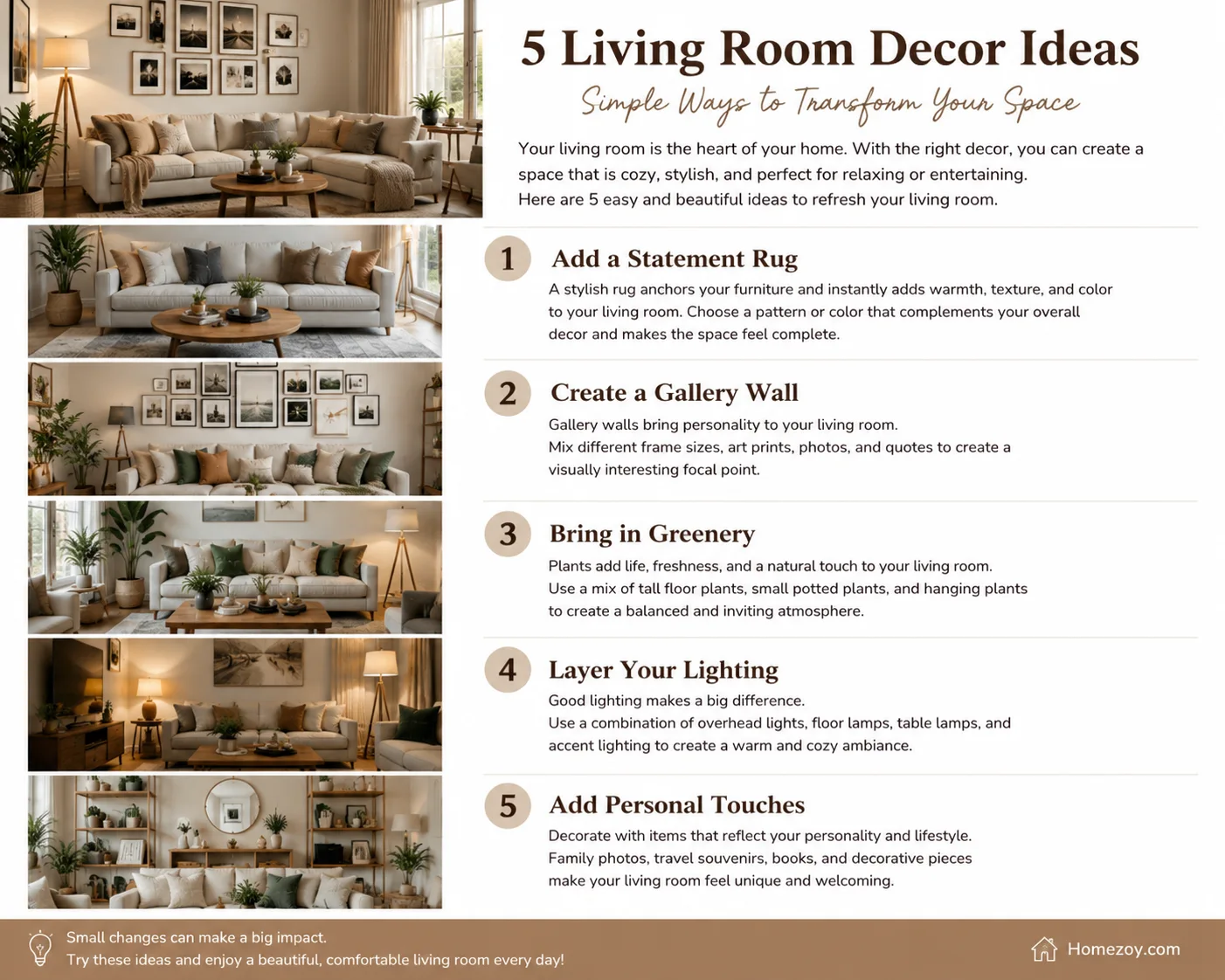
5 Living Room Decor Ideas | Simple Ways to Transform Your Space

living-room idea

The living room is where family gathers, guests are welcomed, and everyday moments are shared. A well-decorated living room doesn’t have to be expensive or complicated. Small design changes can make a big difference in how your space looks and feels.

Whether you’re decorating a new home or refreshing your current living room, these five simple ideas will help you create a space that is comfortable, stylish, and inviting.


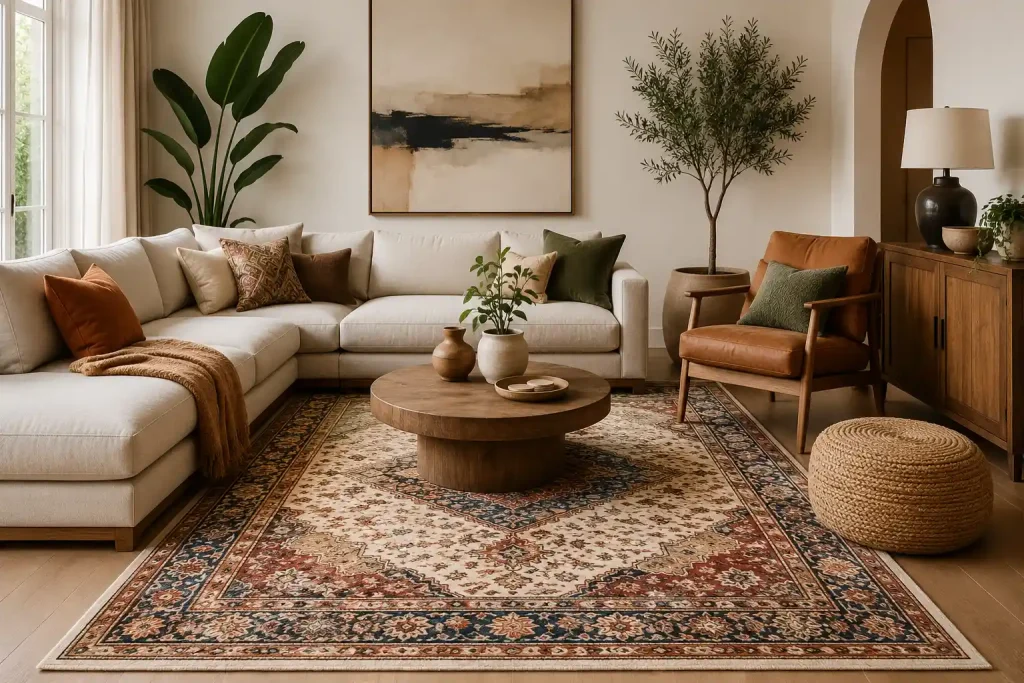
1. Add a Statement Rug

A beautiful rug can completely transform your living room by adding warmth, texture, and color. It also helps define the seating area and ties your furniture together.

Tips:

  • Choose a rug large enough to fit under your furniture.
  • Neutral tones work well with most interior styles.
  • Layer different textures for a cozy atmosphere.
  • Select durable materials that are easy to clean.

A statement rug creates a strong foundation for the rest of your decor.

Recommended Products


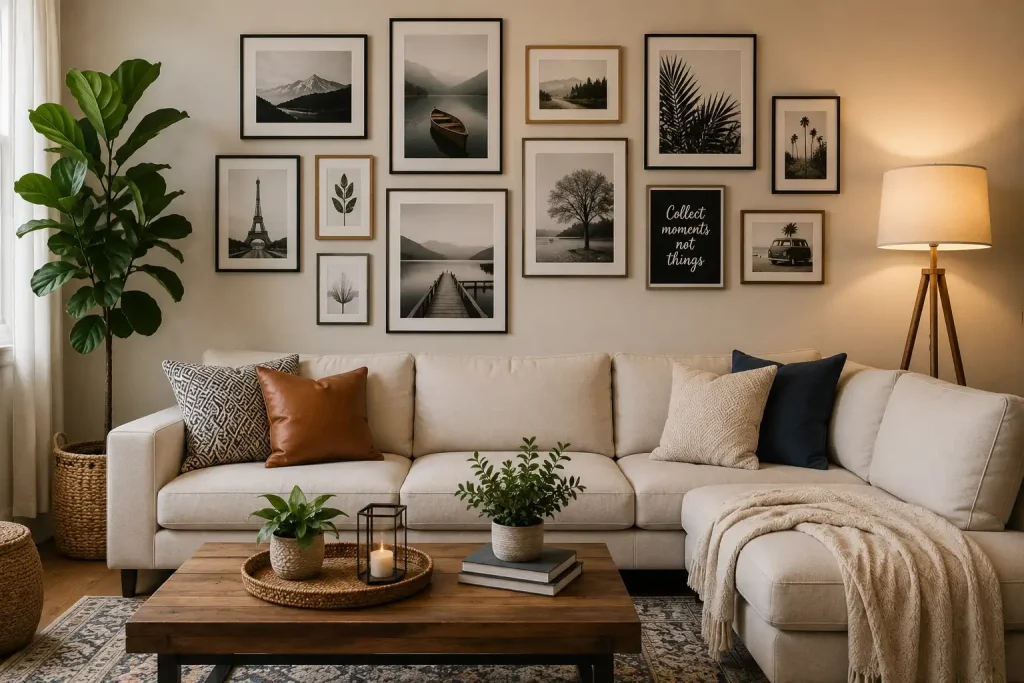
2. Create a Gallery Wall

Blank walls are a great opportunity to showcase your personality. A gallery wall adds character and becomes an eye-catching focal point.

You can combine:

  • Family photographs
  • Landscape artwork
  • Black and white prints
  • Minimalist illustrations
  • Inspirational quotes

Choose matching frames or a consistent color palette to create a polished look.

Recommended Products


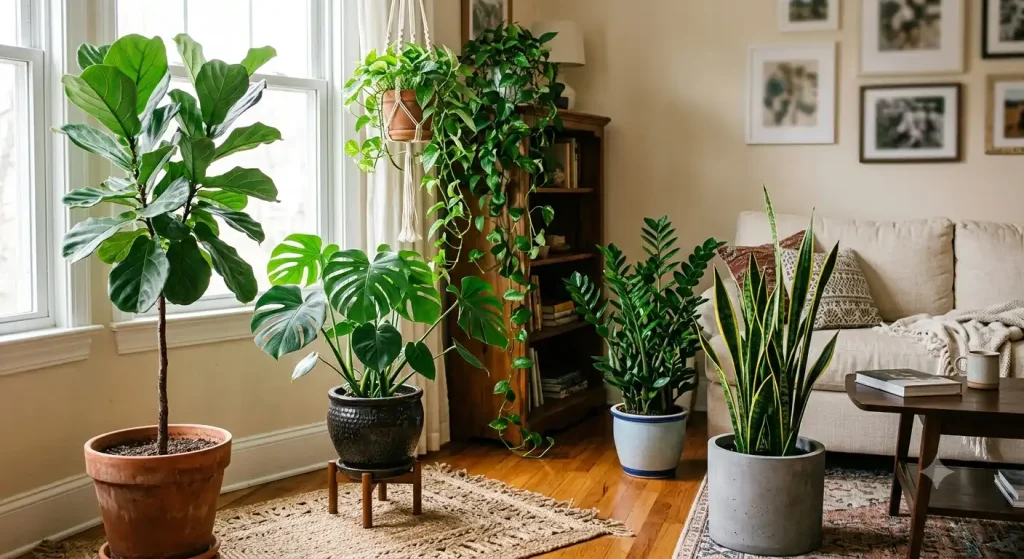
3. Bring in Greenery

Indoor plants instantly make a living room feel fresh and welcoming. They soften hard edges, improve the visual appeal, and bring a natural element into your home.

Popular choices include:

  • Snake Plant
  • Monstera
  • Pothos
  • Fiddle Leaf Fig
  • ZZ Plant

Even one or two plants can make a noticeable difference.

Recommended Products


4. Layer Your Lighting

Lighting is one of the most important elements of interior design. Instead of relying on a single ceiling light, combine different light sources to create a warm and inviting atmosphere.

Consider using:

Layered lighting makes your living room feel cozy during the evening while improving functionality throughout the day.


5. Add Personal Touches

The best living rooms reflect the people who live in them.

Decorate with meaningful items such as:

  • Family photos
  • Travel souvenirs
  • Favorite books
  • Handmade artwork
  • Decorative candles
  • Ceramic vases

Personal details help create a space that feels unique, comfortable, and welcoming.

Recommended Products


Quick Living Room Decor Checklist

Before finishing your living room makeover, make sure you have:

✅ A comfortable seating arrangement

✅ A stylish area rug

✅ Indoor plants

✅ Layered lighting

✅ Wall artwork

✅ Decorative cushions

✅ Personal accessories

✅ Balanced color palette


Frequently Asked Questions

What is the easiest way to decorate a living room?

Start with a statement rug, improve your lighting, add a few indoor plants, and decorate your walls with artwork or family photos. These simple updates can make a significant impact without requiring a full renovation.


What colors work best in a modern living room?

Neutral shades such as white, beige, cream, warm gray, and soft earth tones create a timeless look. You can introduce accent colors through cushions, rugs, artwork, or decorative accessories.


How can I make my living room feel cozy?

Use layered lighting, soft textiles, warm colors, natural materials, indoor plants, and personal decorative pieces. Keeping the space organized and clutter-free also helps create a relaxing environment.

Disclosure: This article contains affiliate links. If you purchase through these links, Homezoy may earn a small commission at no extra cost to you. As an Amazon Associate, we earn from qualifying purchases.

Outdoor Decor Ideas | 15 Creative Ways to Transform Your Outdoor Space

Your outdoor space is an extension of your home. Whether you have a spacious backyard, a cozy patio, or a small apartment balcony, thoughtful decorating can turn it into a comfortable place to relax, entertain guests, or enjoy your morning coffee.

The best part is that you don’t need a large budget to create a beautiful outdoor area. With the right furniture, lighting, greenery, and accessories, you can transform any outdoor space into your favorite spot at home.

Here are 15 outdoor decor ideas to inspire your next makeover.


1. Create a Comfortable Seating Area

Every outdoor space should have a comfortable place to sit.

Choose seating that fits your available space, such as:

  • Outdoor sofas
  • Lounge chairs
  • Wooden benches
  • Folding chairs
  • Bistro sets

Add weather-resistant cushions for extra comfort.


2. Add Outdoor Rugs

Outdoor rugs help define different areas while adding warmth and color.

Choose durable materials designed to withstand rain and sunlight.

Neutral patterns work well with almost every decorating style.


3. Decorate with Plants

Plants instantly make outdoor spaces feel more inviting.

Mix different sizes of:

  • Flower pots
  • Hanging plants
  • Small trees
  • Decorative grasses
  • Herbs

Layering greenery creates a lush, natural look.


4. Use Warm Outdoor Lighting

Lighting creates a cozy atmosphere after sunset.

Popular options include:

  • String lights
  • Solar lanterns
  • LED pathway lights
  • Wall sconces
  • Decorative candles

Soft lighting makes outdoor spaces feel relaxing and welcoming.


5. Choose Natural Materials

Wood, rattan, stone, and bamboo create a timeless outdoor style.

Natural materials blend beautifully with plants and outdoor landscapes.


6. Decorate with Outdoor Pillows

Weather-resistant pillows add color, texture, and comfort.

Choose earthy tones or soft neutral colors for a modern look.


7. Add a Small Fire Pit

If you have enough space, a fire pit becomes a beautiful gathering place for family and friends.

It creates warmth while adding visual interest to your backyard.


8. Hang Decorative Lanterns

Lanterns add charm during both the day and evening.

Mix different sizes to create a layered lighting effect.

Battery-powered LED candles offer a safe alternative to real flames.


9. Build a Cozy Balcony Corner

Even a small balcony can become a peaceful retreat.

Include:

  • A comfortable chair
  • Small table
  • Potted plants
  • Soft cushions
  • Warm lighting

Simple additions can completely transform a compact space.


10. Install Vertical Garden Walls

Vertical gardens save space while adding plenty of greenery.

Use wall-mounted planters or wooden shelves to display flowers, herbs, and decorative plants.


11. Decorate Your Dining Area

If you enjoy outdoor meals, create a welcoming dining space.

Decorate with:

  • Table runners
  • Lanterns
  • Plants
  • Outdoor dinnerware
  • Comfortable seating

12. Add Decorative Planters

Instead of using identical pots, combine different shapes, sizes, and materials.

Ceramic, concrete, and woven planters create a modern layered look.


13. Use Outdoor Curtains

Outdoor curtains provide privacy while making patios and pergolas feel more elegant.

Choose weather-resistant fabrics in neutral colors.


14. Keep Everything Organized

Outdoor storage helps maintain a clean appearance.

Use:

  • Storage benches
  • Deck boxes
  • Garden cabinets
  • Decorative baskets

Organization makes every outdoor area feel larger and more relaxing.


15. Add Seasonal Decorations

Refresh your outdoor decor throughout the year.

Examples include:

  • Spring flowers
  • Summer lanterns
  • Autumn pumpkins
  • Winter wreaths

Seasonal updates keep your outdoor space feeling fresh and inviting.


Quick Outdoor Decor Checklist

Before completing your outdoor makeover, check if you have:

  • Comfortable seating
  • Outdoor lighting
  • Decorative plants
  • Outdoor rug
  • Soft cushions
  • Decorative planters
  • Natural materials
  • Storage solutions
  • Seasonal accessories
  • Cozy atmosphere

Frequently Asked Questions

How can I decorate my outdoor space on a budget?

Focus on affordable upgrades such as outdoor lighting, plants, cushions, rugs, and DIY decorations. Small improvements can have a big impact.

What plants are best for outdoor decoration?

Popular choices include lavender, rosemary, ornamental grasses, succulents, hydrangeas, and evergreen shrubs. Select plants that suit your local climate.

How do I make a small patio look bigger?

Use light-colored furniture, add mirrors if suitable, choose multi-functional pieces, keep the layout uncluttered, and decorate vertically with hanging plants.

Best Home Decor Ideas 2026 | 15 Stylish Trends for Every Home

Best Home Decor Ideas 2026: 15 Stylish Trends to Transform Your Home

Home decor trends in 2026 are all about creating spaces that feel warm, functional, and timeless. Instead of chasing short-lived trends, homeowners are choosing natural materials, soft color palettes, and practical furniture that makes everyday living more enjoyable.

Whether you’re planning a complete home makeover or simply looking for fresh decorating inspiration, these ideas will help you create a home that feels both stylish and comfortable.


1. Warm Neutral Color Palettes

Warm tones continue to dominate home interiors in 2026. Colors like beige, cream, soft white, sand, and warm gray create a calm and inviting atmosphere.

These shades also make rooms appear brighter and larger while providing a timeless foundation for decorating.


2. Natural Wood Furniture

Natural wood furniture adds warmth and character to every room.

Popular choices include:

  • Oak
  • Walnut
  • Ash Wood
  • Bamboo

Wooden coffee tables, dining tables, and shelves pair beautifully with modern interiors.


3. Cozy Layered Textures

Layering different textures instantly makes a room feel more luxurious.

Try combining:

  • Linen curtains
  • Knit throws
  • Velvet cushions
  • Woven baskets
  • Soft rugs

Mixing textures creates depth without making the room feel cluttered.


4. Statement Lighting

Lighting is becoming one of the most important design features in modern homes.

Popular lighting styles include:

  • Rattan pendant lights
  • Minimalist ceiling lights
  • Sculptural table lamps
  • Floor lamps with warm LED bulbs

The right lighting completely changes the mood of a room.


5. Indoor Plants

Plants continue to be one of the easiest ways to refresh your home.

Some popular indoor plants include:

  • Snake Plant
  • Monstera
  • Fiddle Leaf Fig
  • Peace Lily
  • Pothos

They add color, improve visual appeal, and bring nature indoors.


6. Minimalist Wall Decor

Instead of overcrowding walls, choose a few carefully selected decorative pieces.

Ideas include:

  • Large canvas artwork
  • Wooden wall shelves
  • Framed botanical prints
  • Decorative mirrors

Simple wall decor creates a cleaner and more elegant look.


7. Multi-Functional Furniture

As homes become more flexible, furniture that serves multiple purposes is becoming increasingly popular.

Examples include:

  • Storage ottomans
  • Extendable dining tables
  • Foldable desks
  • Beds with built-in storage

These pieces are especially useful for apartments and smaller homes.


8. Cozy Reading Corners

Creating a quiet reading corner adds comfort and personality to your home.

All you need is:

  • A comfortable chair
  • A soft blanket
  • A floor lamp
  • A small side table

It’s the perfect place to relax after a busy day.


9. Sustainable Decor

Eco-friendly decorating continues to grow in popularity.

Choose products made from:

  • Recycled wood
  • Organic cotton
  • Natural fibers
  • Bamboo
  • Recycled glass

Sustainable choices are both beautiful and environmentally friendly.


10. Layered Lighting

Instead of relying on one ceiling light, combine several light sources.

Use:

  • Ceiling lights
  • Table lamps
  • Floor lamps
  • Wall sconces

Layered lighting makes every room feel more inviting.


11. Decorative Mirrors

Mirrors reflect natural light and create the illusion of more space.

Large round mirrors and wood-framed mirrors remain popular choices for living rooms, bedrooms, and entryways.


12. Soft Curved Furniture

Rounded furniture is replacing sharp edges in many modern homes.

Look for:

  • Curved sofas
  • Round coffee tables
  • Oval mirrors
  • Arched bookshelves

These shapes create a softer and more welcoming environment.


13. Open Shelving

Floating shelves allow you to display books, plants, candles, and decorative accessories without overwhelming the room.

Keep shelves organized and avoid displaying too many items.


14. Personalized Decor

Your home should reflect your personality.

Decorate with:

  • Family photos
  • Travel souvenirs
  • Handmade artwork
  • Vintage finds
  • Meaningful accessories

Personal touches make a house feel like a home.


15. Declutter Before Decorating

One of the biggest decorating trends of 2026 is simplicity.

Before buying new decor, remove unnecessary items and organize your space.

A clutter-free room always feels brighter, larger, and more relaxing.


Quick Home Decor Checklist

✔ Neutral Colors

✔ Warm Lighting

✔ Indoor Plants

✔ Wooden Furniture

✔ Decorative Mirrors

✔ Cozy Textiles

✔ Wall Art

✔ Storage Solutions

✔ Natural Materials

✔ Personal Accessories


Frequently Asked Questions

What is the biggest home decor trend in 2026?

Warm neutral colors, natural materials, layered lighting, and sustainable furniture are among the biggest home decor trends for 2026.

How can I decorate my home on a budget?

Start with small updates like throw pillows, rugs, plants, artwork, and better lighting. Even simple changes can make a significant impact.

What colors are trending for home decor in 2026?

Beige, cream, warm white, taupe, sage green, terracotta, and natural wood tones remain popular choices.