Creating a home that feels both modern and classic can be a challenge. Transitional design bridges the gap between old and new styles effortlessly.
You likely want a space that feels sophisticated yet cozy. This aesthetic relies on balance, texture, and a neutral palette to achieve timelessness.
Discover how to elevate your living environment with these curated ideas. Let’s explore ways to bring elegant transitional home design for a timeless look into your space.
1. Neutral Color Palette with Warm Undertones
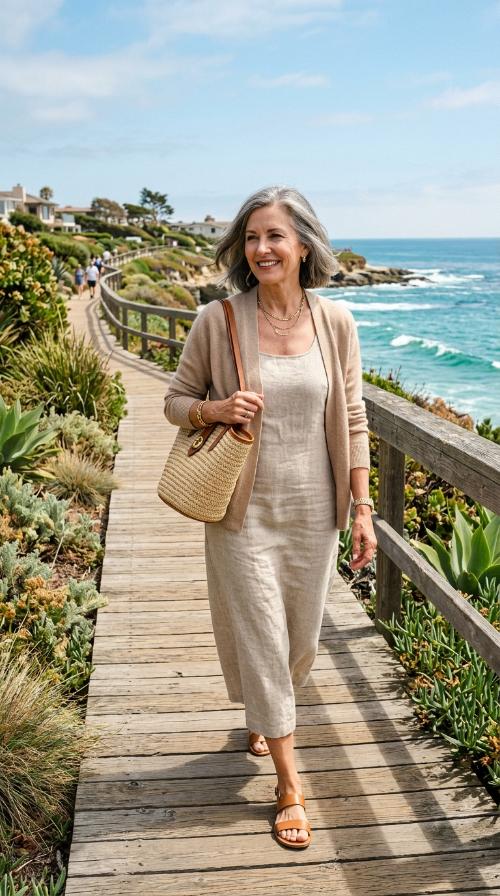
Start with a soft, neutral foundation. Think creams, taupes, and warm grays to create a serene and cohesive environment throughout your entire home.
These shades allow your furniture to shine. They also provide a versatile backdrop that evolves easily as your personal style or seasons change.
Avoid harsh whites in favor of softer tones. This adds immediate depth and a sense of luxury to any room in the house.
2. Traditional and Modern Furniture Pairing

Combine a sleek, modern sofa with antique side tables. This blend creates a curated look that feels storied rather than straight from a showroom floor.
Focus on clean lines paired with classic silhouettes. This contrast is the hallmark of elegant transitional home design for a timeless look.
Ensure the scale of your pieces remains consistent. Balancing heavy traditional wood with light metal frames keeps the room feeling airy and grounded.
3. Textured Fabrics Like Linen and Velvet

Texture replaces bold patterns in transitional spaces. Use linen, velvet, and wool to add tactile interest without overwhelming the visual senses of the room.
Layering different materials makes a neutral room feel rich. Try a chunky knit throw over a smooth leather chair for instant visual appeal.
Natural fibers like silk or seagrass work beautifully here. They bring an organic element that softens the sharper lines of modern architecture.
4. Brushed Brass and Matte Black Hardware
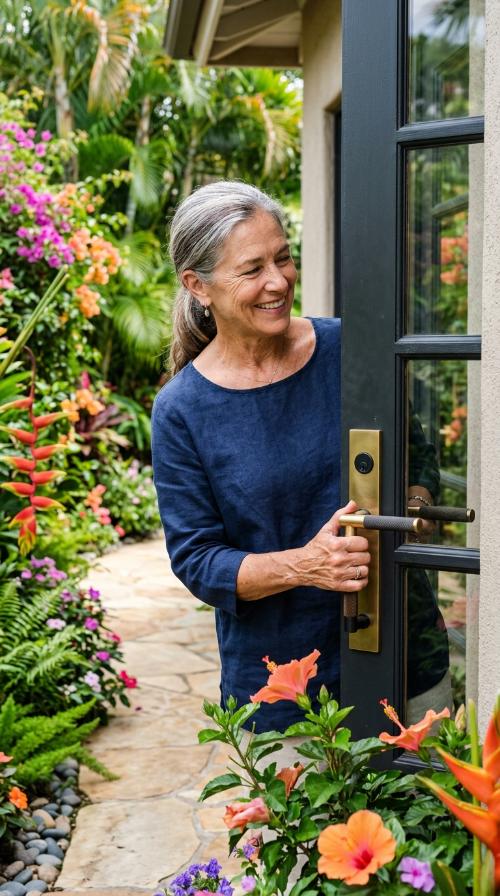
Incorporate metals to add a touch of glamour. Brushed brass or polished nickel provides a sophisticated shine that elevates the surrounding decor.
Use these finishes on light fixtures, cabinet pulls, or picture frames. Mixing two different metal finishes can add a modern, intentional edge.
Keep the finishes consistent across a single room. This creates a polished appearance that feels unified and high-end throughout the living space.
5. Large Scale Modern Chandelier

Lighting serves as the jewelry of the room. Choose a large-scale fixture that blends traditional shapes with contemporary, minimalist materials.
A classic drum pendant or a geometric chandelier works perfectly. It draws the eye upward and serves as a stunning focal point.
Layer your lighting with sconces and lamps. This allows you to control the mood while adding another layer of design interest.
6. Symmetrical Living Room Layout
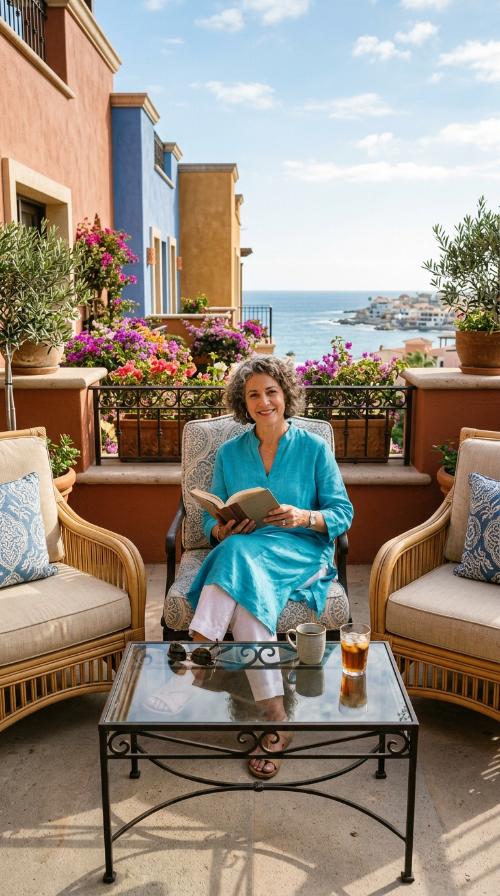
Transitional design relies heavily on symmetry to create a sense of order. Arrange furniture in pairs to establish a formal yet inviting atmosphere.
Matching armchairs or twin floor lamps create a balanced visual weight. This approach makes even large rooms feel organized and intentional.
Symmetry helps the eye rest and process the space. It is a key component when achieving an elegant transitional home design for a timeless look.
7. Warm Oak or Walnut Wood Details

Bring warmth to your home with natural wood. Light oak or rich walnut finishes provide a grounding effect against cooler modern elements.
Use wood in flooring, exposed beams, or floating shelves. These organic textures help bridge the gap between old-world charm and current trends.
Keep the wood grain visible to maintain an authentic feel. Avoid overly glossy finishes to ensure the look remains classic and understated.
8. Oversized Minimalist Framed Art
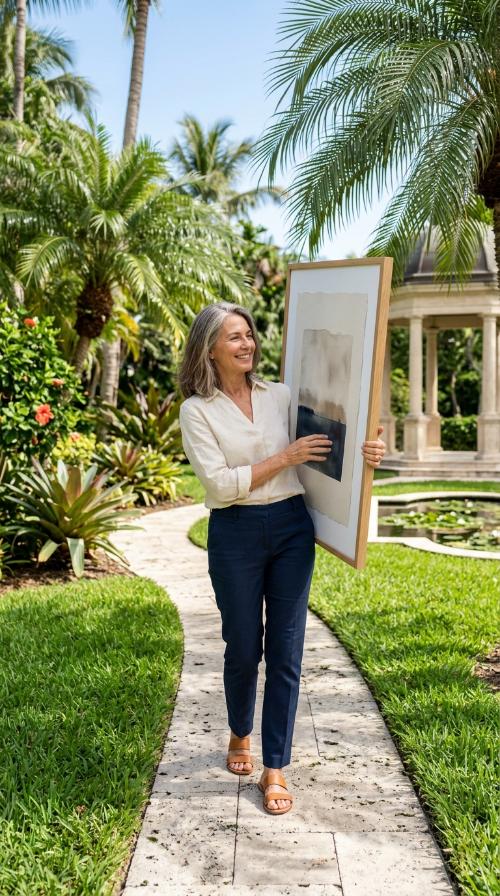
Opt for larger, impactful pieces of art instead of cluttered gallery walls. This maintains a clean aesthetic while still expressing your personality.
Simple frames in black, gold, or wood keep the focus on the artwork. Choose abstract prints or architectural sketches for a sophisticated vibe.
Leave plenty of “white space” on your walls. This prevents the room from feeling cramped and highlights the beauty of your chosen pieces.
9. Low Pile Distressed Traditional Rug
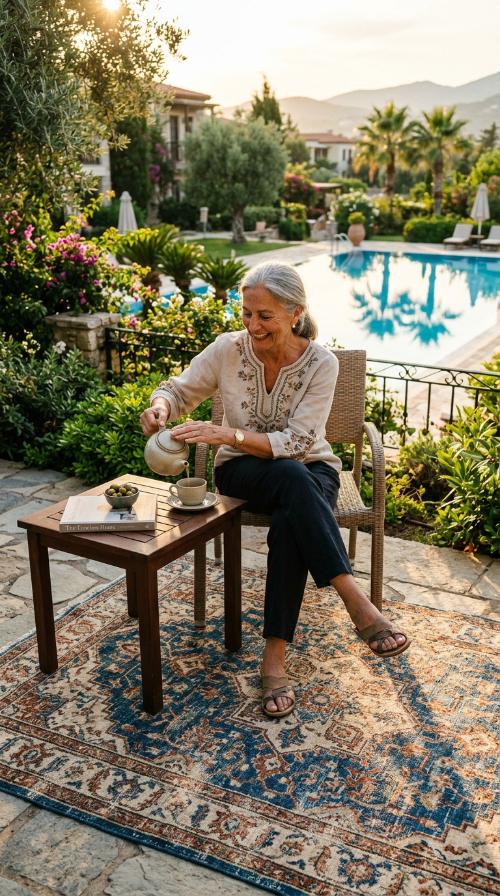
Ground your seating areas with expansive area rugs. A subtle, distressed Persian pattern adds history and character to a contemporary furniture arrangement.
Ensure the rug is large enough for all furniture legs to sit on. This defines the space and creates a cohesive “room within a room.”
Choose low-pile options for a cleaner, modern look. Muted colors like sage or navy can provide a soft pop of color.
10. Custom Built-In Bookshelves with Clean Lines

Custom built-ins offer both storage and style. Shaker-style doors provide a timeless look that fits perfectly within the transitional design framework.
Paint your cabinetry the same color as the walls for a seamless look. This makes the room feel larger and more architecturally significant.
Style the shelves with a mix of books and sculptural objects. This blend of utility and art defines the transitional home experience.
11. Large Potted Olive Tree
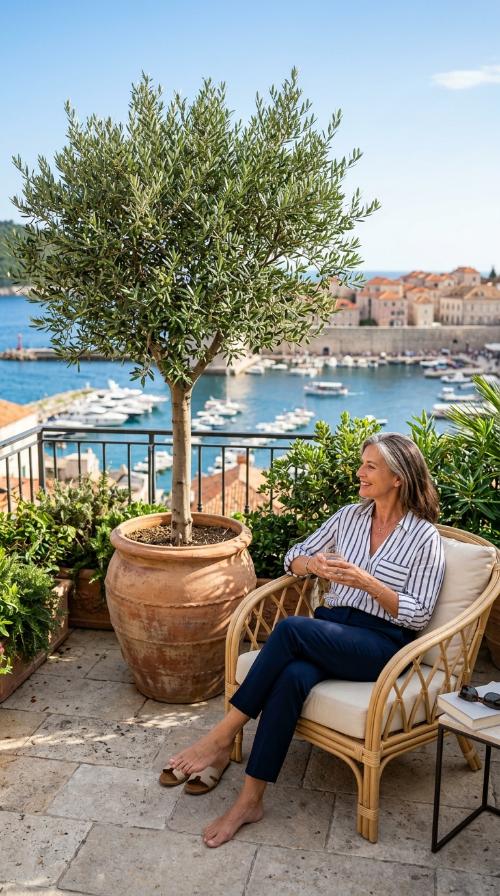
Add life to your design with indoor plants. A tall olive tree or a lush fiddle leaf fig brings movement and color to neutral corners.
Use high-quality ceramic or stone planters to maintain the elegant aesthetic. Greenery acts as a bridge between the indoors and the natural world.
Live plants improve air quality while adding a refreshing, vibrant energy. They are the perfect finishing touch for a truly timeless home.
What defines transitional style?
Transitional style is a balanced blend of traditional and modern design elements, creating a space that feels both classic and updated.
Which colors are best for this look?
Stick to a neutral palette of creams, beiges, and grays. Use soft blues or greens as subtle accent colors for added depth.
Can I mix different wood tones?
Yes, mixing wood tones adds character. Try to keep the undertones similar, such as all warm or all cool, for a cohesive result.
Is transitional design expensive?
Not necessarily. You can achieve this look by thoughtfully mixing high-end pieces with budget-friendly finds that feature clean, simple lines.
How do I avoid a cluttered look?
Focus on quality over quantity. Choose a few large-scale items rather than many small ones to keep the space open and airy.
Can I use bold patterns?
Keep patterns subtle and large-scale. Small, busy patterns can feel dated, whereas larger geometric or floral designs feel modern and fresh.