

The Evolution of Modern Farmhouse Design
The modern farmhouse aesthetic has captured the hearts of homeowners and interior designers alike, establishing itself as a timeless staple in contemporary interior design. Balancing the rustic, cozy charm of traditional country living with the clean lines, neutral palettes, and sleek fixtures of modern minimalism, this style strikes a perfect chord between old and new. The magic of a modern farmhouse living room lies in its ability to feel curated yet incredibly lived-in, sophisticated yet deeply welcoming. It is a space designed for gathering, where durability meets elegance, and every piece tells a story of comfort and warmth.
Historically, the farmhouse was purely functional. Homes were built with local materials, designed to withstand the elements, and focused entirely on utility. Reclaimed wood, sturdy ironwork, and simple whitewashed walls were born out of necessity. Today, the modern farmhouse style honors these utilitarian roots while elevating them for 21st-century living. By stripping away the clutter often associated with traditional country decor—such as excessive floral patterns, ornate knick-knacks, and heavy drapery—and introducing open-concept layouts, industrial accents, and streamlined furniture, we create a fresh, airy atmosphere that feels both grounded and elevated.
The Essential Color Palette: Creating a Calm Foundation
Every successful modern farmhouse living room begins with a thoughtfully curated color palette. Unlike traditional country spaces that might feature bold primary colors or heavy, dark wood finishes, the modern iteration relies on a soft, neutral foundation to maximize light and space. Creamy whites, soft beiges, warm grays, and gentle taupes form the canvas of the room. These colors are selected not only for their clean look but also for their undertones; warm undertones are essential to prevent the space from feeling clinical or sterile, which is a common pitfall when adopting modern elements.
To bring depth and visual interest to this neutral base, designers introduce contrasting accents. Matte black is a signature modern farmhouse finish, often appearing in light fixtures, window frames, hardware, and furniture legs. This high-contrast element grounds the airy neutrals, giving the eye a place to rest. Additionally, earthy tones like forest green, muted olive, deep navy, slate gray, and warm cognac leather are incorporated through textiles, art, and accent furniture. These colors mimic the natural landscape, reinforcing the connection to the outdoors that is so central to farmhouse living.

Understanding Undertones in Neutral Paint
When selecting paint colors for a modern farmhouse living room, it is crucial to test them under different lighting conditions throughout the day. A white paint that looks pristine in a showroom might lean blue in morning northern light or yellow in warm afternoon sun. Look for whites with subtle yellow, peach, or gray-beige bases. Iconic shades like Alabaster, Swiss Coffee, or White Dove are celebrated in modern farmhouse design because they offer a luminous brightness while retaining a cozy, enveloping warmth that complements natural wood elements beautifully.
Architectural Details: Shiplap, Beams, and Barn Doors
To truly capture the essence of a modern farmhouse, one must look to the architectural bones of the room. Wood plays an indispensable role here, serving as both a structural element and a decorative highlight. Exposed ceiling beams, particularly those made from reclaimed timber, add instant historic character and draw the eye upward, emphasizing the height and volume of the living room. Whether they are rough-hewn oak or stained pine, these beams inject architectural interest into standard drywall ceilings.
Wall treatments are another hallmark of this design style. Shiplap, once hidden behind plaster as a structural backing, has been brought to the forefront. When applied horizontally, white shiplap expands the room visually and adds a subtle texture that painted drywall simply cannot replicate. For a slightly more contemporary twist, many designers are now installing shiplap vertically, which coaxes the ceiling to feel higher, or opting for classic board-and-batten paneling to introduce a sense of elegant, historic craftsmanship.
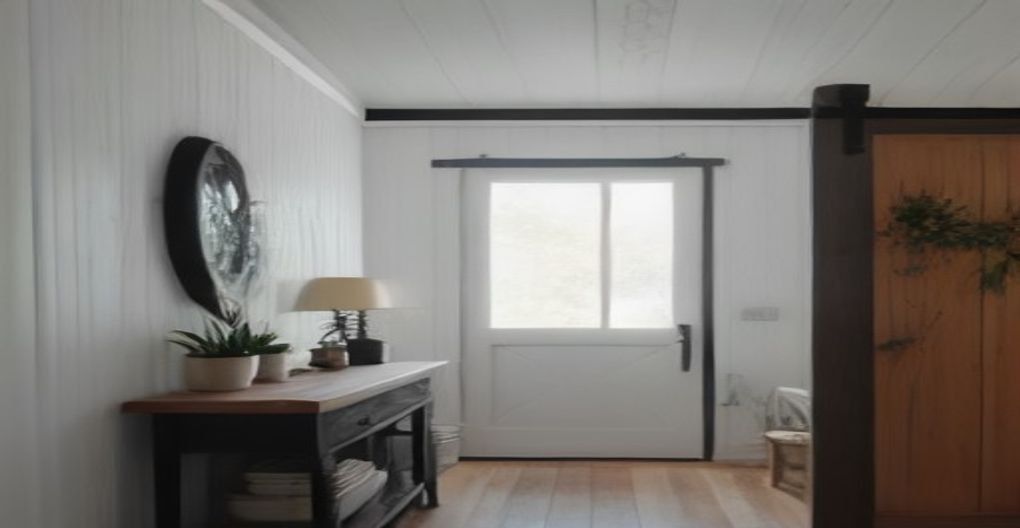
The Functional Elegance of Barn Doors
Sliding barn doors are both a space-saving solution and a major design statement. Utilizing heavy-duty black iron hardware, these doors slide parallel to the wall, making them ideal for closing off a home office, a playroom, or a media closet adjacent to the living room. Built from reclaimed wood, painted in a striking accent color like charcoal, or left in a natural stained finish, a barn door functions as a dynamic piece of wall art that pays direct homage to rural agricultural roots while operating with modern fluid precision.
Selecting the Perfect Furniture: Comfort Meets Clean Lines
In a modern farmhouse living room, furniture must invite you to sit down and stay awhile. The centerpiece of this arrangement is almost always a deep, plush, slipcovered sofa. Slipcovers in neutral performance fabrics—such as linen blends or durable canvas—are highly favored because they offer a relaxed, casual silhouette that is incredibly practical for families and pet owners. The ability to remove and wash the slipcover ensures that even the brightest white sofa can withstand the realities of daily life.
To prevent the room from looking too uniform or matchy-matchy, furniture should be mixed rather than matched. Pair a fabric slipcovered sofa with a set of rich cognac leather accent chairs. The leather adds a warm, masculine weight to the space and patinas beautifully over time, telling its own story of use. For tables, look for a blend of materials. A coffee table crafted from a thick slab of reclaimed wood with a matte black metal frame perfectly encapsulates the intersection of rustic warmth and industrial modernity.
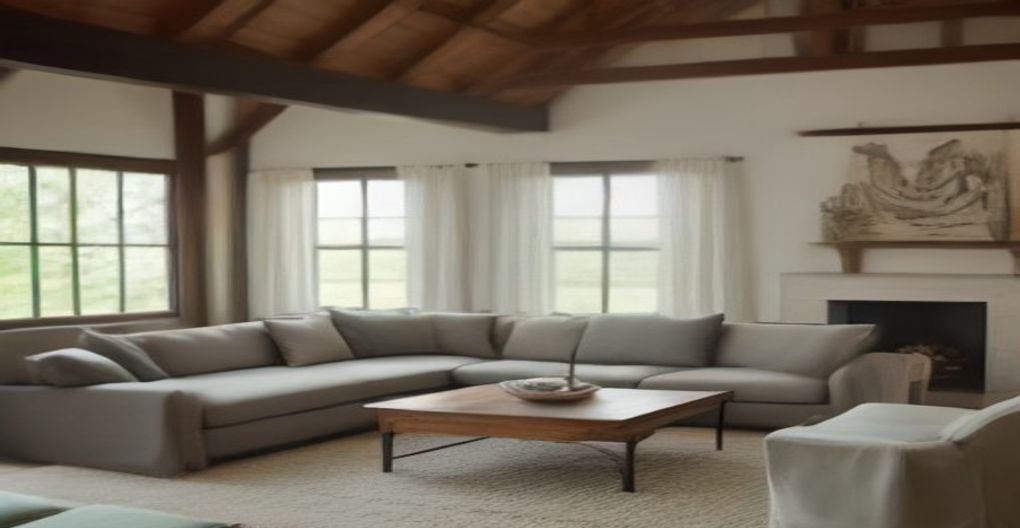
The Art of Mixing Wood Tones
A common misconception is that all wood in a modern farmhouse living room must match. In fact, matching all wood pieces can make a room look flat and catalog-bought. To achieve a curated, gathered-over-time aesthetic, aim to mix two to three different wood tones. Pair a light white oak floor with a medium-toned reclaimed pine coffee table and perhaps a darker walnut accent chest. The key is to ensure that the undertones of the woods are compatible—either all warm or all cool—and to distribute the different wood tones evenly throughout the room so the design feels balanced and intentional.
Textures and Textiles: Layering for Ultimate Cozy Appeal
Without adequate texture, a neutral room can quickly feel flat, cold, and uninviting. In modern farmhouse design, texture acts as a substitute for bold color, creating visual richness and physical warmth. Layering textiles is an art form in this style. Start from the ground up with a durable, textured area rug. A large woven jute or sisal rug provides an excellent natural base, adding organic texture and earthy color. For added comfort underfoot, you can layer a smaller, soft wool rug with a vintage, faded Persian pattern directly on top of the jute base.
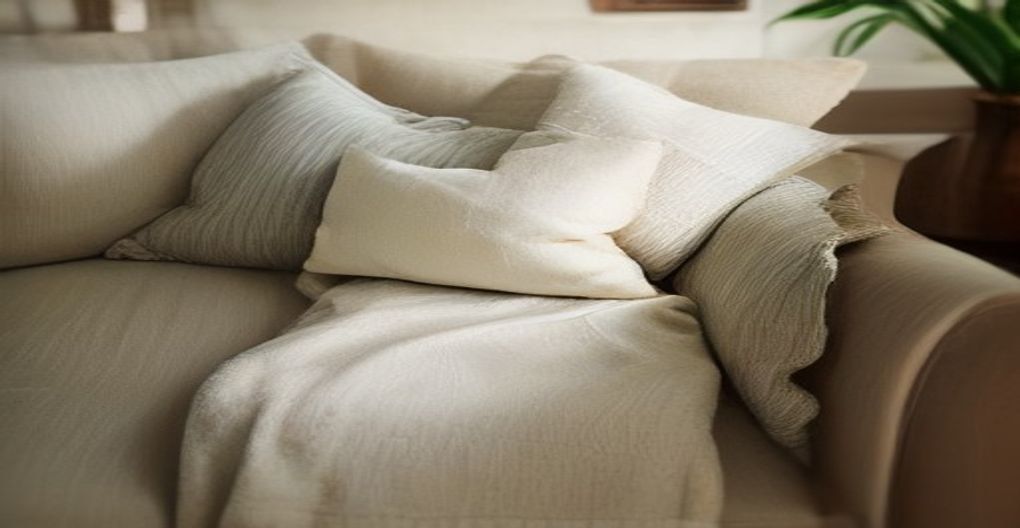
Moving up to the seating, pillows and throws are essential tools for building comfort. Mix and match different fabrics to create a sensory experience. Combine chunky knit blankets, linen pillow covers with delicate stripe patterns, velvet cushions for a touch of luxury, and mudcloth or ticking-stripe textiles for a graphic, rustic element. Draping a heavy, textured throw blanket over the arm of a chair or the back of a sofa immediately signals to guests that the space is designed for relaxation and comfort.
Window Treatments that Soften and Frame
Window treatments in a modern farmhouse living room should be simple, elegant, and functional. Avoid heavy, elaborate valances or dark, dense brocades. Instead, opt for floor-length linen drapes in white, cream, or light gray. Hanging the curtain rod high—just a few inches below the ceiling or crown molding—and extending it wider than the window frame will make the windows appear larger and allow maximum natural light to flood the room. The soft folds of linen drapery help soften the hard angles of the walls and window frames, adding a gentle, romantic layer to the overall design.
Lighting as a Statement Piece: Blending Industrial and Vintage
Lighting is often referred to as the jewelry of a room, and in modern farmhouse design, it plays a starring role. The goal is to select fixtures that are both functional and visually striking, acting as architectural focal points. High ceilings benefit enormously from large-scale statement fixtures, such as a black iron wagon wheel chandelier or a rustic wood and metal lantern. These fixtures draw the eye upward, emphasizing the height of the space while casting a warm, ambient glow.
Task and accent lighting are equally important for creating layers of light that can be adjusted based on the time of day. Wall sconces with articulated arms in matte black or antique brass finishes are perfect for mounting above a fireplace mantel, next to built-in shelving, or flanking a cozy reading nook. Table and floor lamps featuring textured ceramic bases, seeded glass jugs, or distressed concrete finishes topped with simple linen shades add physical beauty to side tables and consoles while providing cozy, low-level illumination for quiet evenings.

The Importance of Warm Lighting
When choosing light bulbs for your modern farmhouse living room, always pay close attention to the color temperature, measured in Kelvins (K). Avoid cool, daylight bulbs (5000K+) which can cast a harsh, blue light that clashes with the warm, cozy farmhouse aesthetic. Instead, opt for warm white bulbs, ideally between 2700K and 3000K. This temperature mimics the soft, inviting glow of candlelight and traditional incandescent bulbs, highlighting the natural wood grains, rich leathers, and soft textiles in their best, most flattering light.
Curating Farmhouse Decor: The Beauty of the Found and the Styled
Decorating a modern farmhouse living room is an exercise in restraint and curation. Rather than filling every empty surface with mass-produced decor, focus on displaying high-quality, meaningful pieces that offer a sense of history. Vintage and antique finds are invaluable here. A weathered wooden bowl filled with green apples, an antique ironstone pitcher displaying fresh branches, or a pair of distressed brass candlesticks sourced from a local flea market bring an irreplaceable authenticity to the design.
Open shelving and built-in bookcases offer the perfect platform for displaying these curated treasures. When styling shelves, aim for a balanced, airy look rather than cramming them full of books. Use the “rule of threes” and mix materials. Pair a stack of vintage, linen-bound books with a matte black metal object and a small green plant in a rustic terracotta pot. Leave plenty of negative space—empty areas on the shelves—to allow each curated vignette to breathe and be appreciated on its own.

Incorporating Botanical Elements
No modern farmhouse living room is complete without a touch of nature. Greenery breathes life into the neutral color palette, adding organic shapes and vibrant, natural color. Instead of complex, formal floral arrangements, opt for simple, rustic botanical displays. A tall, clear glass vase filled with structural olive branches, eucalyptus stems, or dried pampas grass makes a dramatic statement on a coffee table or console. Smaller potted herbs, ferns, or succulents in aged clay pots placed on side tables or windowsills add a touch of fresh, lively charm to the room.
Creating a Cozy Hearth: The Ultimate Living Room Focal Point
In traditional farmhouse design, the hearth was the literal and metaphorical center of the home—the source of heat, light, and nourishment. In the modern farmhouse living room, the fireplace remains the ultimate focal point, anchoring the seating arrangement and setting the tone for the entire space. To achieve the perfect balance of modern and rustic, style the fireplace with clean lines and rich, textured materials. A fireplace clad in whitewashed brick, floor-to-ceiling shiplap, or rugged natural stone provides a stunning structural backdrop.
The mantel is where you can truly express your style. A thick, solid beam of reclaimed wood—perhaps salvaged from an old barn or factory—makes a spectacular mantelpiece, showcasing beautiful cracks, knots, and nail holes that speak to its past life. Style the mantel minimally: a large, black-framed mirror or a piece of serene landscape art leaning against the wall, flanked by a couple of brass candlesticks, a small green plant, or a string of wooden beads. This creates a balanced, sophisticated display that draws the eye without cluttering the hearth.
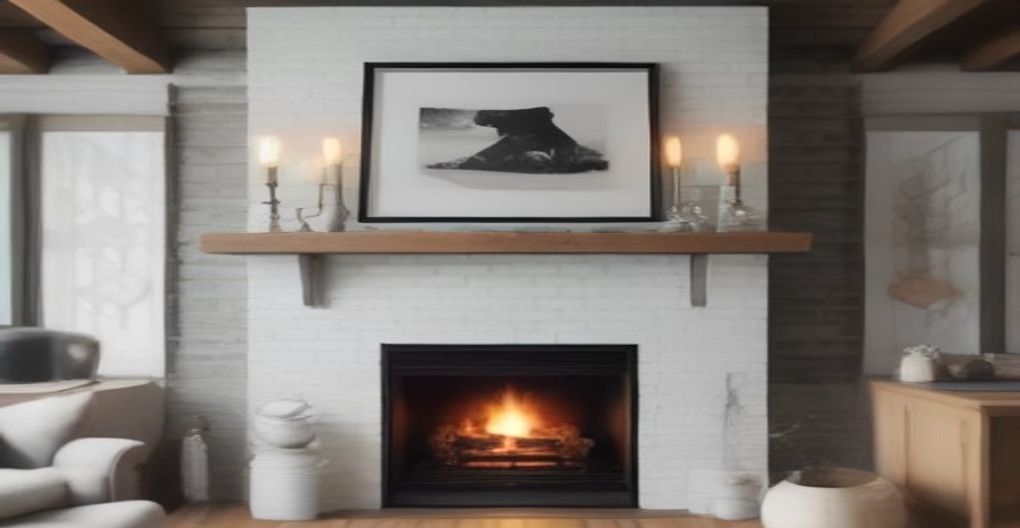
Fireplace Hearth Styling and Utility
The space around the base of the fireplace, the hearth, should not be overlooked. Keep it functional and visually appealing by placing a large, woven wicker or wire basket filled with rolled firewood or cozy knit blankets to one side. On the other side, a set of vintage-inspired black iron fireplace tools adds a classic, utilitarian touch. If your fireplace is non-working, you can still create a warm, inviting glow by filling the firebox with a cluster of white pillar candles of varying heights, which can be lit to create a magical, flickering focal point.
Practical Layouts for Gathering and Connection
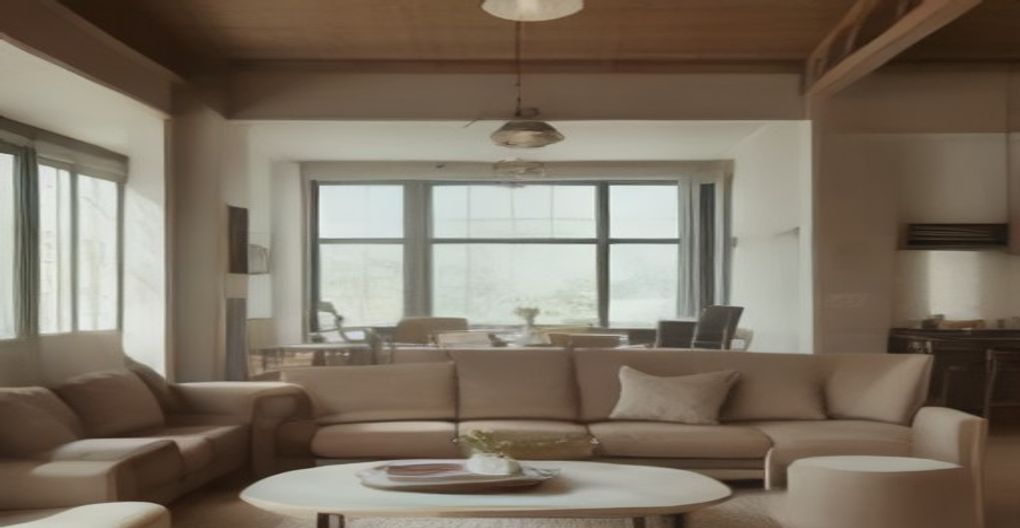
Beyond the colors, textures, and decor, the success of a modern farmhouse living room depends heavily on its layout. This style is built around the concept of community and gathering, meaning the furniture arrangement should facilitate easy conversation and connection. Avoid pushing all your furniture against the walls, which can make a room feel cold and distant. Instead, “float” your furniture away from the walls, arranging pieces inward to create an intimate, cozy seating group centered around a focal point like the fireplace or a beautiful media console.
In larger, open-concept spaces, use furniture to define the living zone. Position a long console table behind the sofa, styled with matching lamps and decorative baskets underneath, to act as a visual boundary between the living room and the dining area or kitchen. Ensure there is clear traffic flow around the seating group so people can move easily through the room without disrupting those who are seated. Providing plenty of surface space—such as side tables, nesting tables, or a large central coffee table—within easy arm’s reach of every seat ensures that guests always have a convenient place to set down a drink or a book.
Designing for Multigenerational Living
The modern farmhouse living room must be highly adaptable to accommodate the needs of a busy household. Create dedicated zones within the larger space to maximize utility. A cozy armchair tucked into a corner next to a floor lamp and a small bookshelf becomes a private reading nook. A low, kid-friendly table with stylish storage baskets nearby can serve as a play area that can be quickly tidied up when guests arrive. By designing with flexibility, comfort, and durability in mind, you create a living room that not only looks beautiful but also effortlessly supports the beautiful, messy realities of daily family life.