

Embracing the Cozy: The Art of Small Living Room Design
In interior design, small living rooms are often viewed as a challenge. However, a compact footprint is actually an opportunity to create a curated, intimate, and highly functional space. Instead of thinking about what you cannot fit into your living room, the key is to shift your mindset toward maximizing every square inch with intentionality. Designing a small living room is not about sacrificing style; it is about refining it. By choosing pieces that work double duty, utilizing clever optical illusions, and understanding the principles of scale and light, you can transform a cramped lounge into a sophisticated sanctuary.
Urban apartments, historic cottages, and modern townhomes all frequently feature compact living areas. The trick to making these rooms feel expansive lies in balance. We must balance comfort with flow, storage with open space, and personality with restraint. This comprehensive guide will walk you through the ultimate design strategies, layout configurations, and styling secrets to unlock your small living room’s full potential.
Reworking the Blueprint: Smart Layouts for Cozy Rooms
The layout is the foundation of any successful interior design scheme, but in a small living room, it dictates how the space actually feels and functions daily. The most common mistake is pushing all the furniture flat against the walls in an attempt to open up the center of the room. Ironically, this often highlights the room’s limited boundaries and creates an awkward, cold center space. Instead, professional designers recommend experimenting with alternative furniture arrangements.
The Power of Floating Furniture
To “float” furniture means to pull it away from the walls, even if it is just by a few inches. By leaving a small gap between the back of your sofa and the wall, you create shadows and depth, which tricks the eye into thinking the room is wider than it is. If space permits, pulling the sofa into the center of the room and placing a slim console table behind it can create a functional walkway while keeping the seating area intimate and defined.
Establishing Clear Traffic Flows
When planning your layout, you must prioritize how people move through the room. No one should have to squeeze past a coffee table or awkwardly dodge an armchair to get to the window. Ensure there is a clear, unobstructed path from the entrance of the room to the primary seating. If your living room also serves as a thoroughfare to a dining area or kitchen, use your furniture arrangement to delineate these pathways naturally, using low-profile pieces to maintain a clear line of sight across the entire space.

Zoning with Purpose
In multi-functional or open-concept small homes, your living room might also need to function as a home office, a dining space, or a playroom. Use zoning techniques to give each area its own identity. A small desk can be nestled into an unused corner, defined by a task light and a small accent chair. An area rug can visually anchor the main conversation zone, separating it from the dining table or entryway. This keeps the room from looking like a chaotic jumble of mismatched furniture.
Double-Duty Champions: Multifunctional Furniture
When floor space is at a premium, every single piece of furniture must earn its keep. Investing in multifunctional furniture is one of the most effective ways to maintain a clean, organized, and highly usable living room without overcrowding it with individual items.
Storage Ottomans and Benches
An upholstered storage ottoman is a small living room’s best friend. It can serve as a comfortable footrest, a chic coffee table when topped with a sturdy wooden tray, and extra seating when guests arrive. Best of all, its hollow interior provides the perfect hiding place for extra blankets, board games, or kids’ toys, keeping clutter out of sight.
Convertible and Modular Designs
Modular sofas are incredibly versatile because they can be rearranged to suit different occasions or moved easily if you relocate. Look for small-scale modular sectionals where the chaise portion can be swapped from the left side to the right side as needed. Additionally, consider nest of tables instead of a single massive coffee table. These can be stacked together when you need floor space and spread around the room when you are entertaining and need surfaces for drinks.

Smart Desks and Drop-Leaf Tables
With the rise of remote work, finding space for a home office in a small living room is a common dilemma. A drop-leaf desk or a wall-mounted secretary desk can be closed up at the end of the workday, completely hiding your laptop and paperwork. This physical boundary helps you transition from work mode to relaxation mode while preserving your living room’s aesthetic integrity.
Visual Sorcery: Color Palettes and Paint Techniques
Color has a profound psychological effect on how we perceive the size and atmosphere of a room. While the traditional rule of thumb is to paint small spaces bright white, modern interior design embraces a much wider palette, offering two distinct paths: creating an airy, light-filled oasis, or leaning into a cozy, dramatic jewel-box effect.
The Classic Airy Palette
If your goal is to make the room feel as spacious and bright as possible, stick to a light and neutral color palette. Soft whites, warm creams, pale grays, and gentle pastels reflect natural light beautifully, making the walls seem to recede. To prevent a neutral room from looking flat or sterile, layer in plenty of tactile textures like linen, boucle, light wood, and woven rattan.
Embracing the Cozy “Jewel Box”
If your small living room receives very little natural light, trying to make it look bright and airy can sometimes backfire, resulting in a dull, shadowy space. Instead, lean into the darkness by painting the walls a rich, moody hue like forest green, deep navy, terracotta, or charcoal gray. This creates a cozy, cocoon-like atmosphere that feels incredibly luxurious and intimate, turning a architectural limitation into a deliberate design statement.

The Monochromatic Paint Trick
An excellent visual trick for expanding a room is to paint the walls, baseboards, trim, and even the ceiling in the exact same color—ideally with a flat or eggshell finish on the walls and a satin finish on the woodwork. This eliminates harsh visual breaks, making the boundaries of the room disappear. Additionally, choosing curtains that match the wall color perfectly creates a continuous, unbroken line that visually widens the space.
Scaling Heights: Vertical Space and Wall Solutions
When you run out of horizontal floor space, it is time to look up. Utilizing your vertical space is key to maximizing storage and style without making your small living room feel congested.
Built-In Bookshelves and Floating Shelves
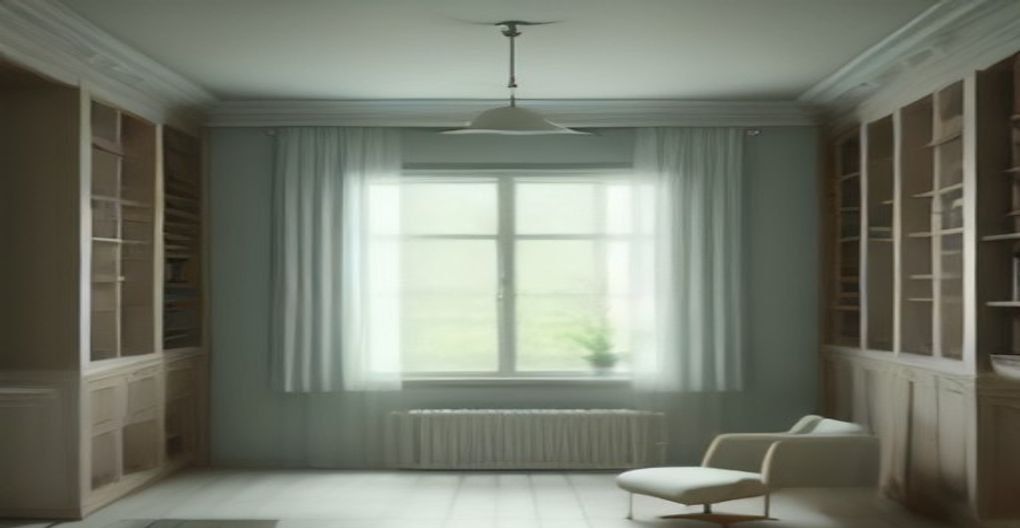
Floor-to-ceiling built-in bookshelves are a fantastic investment for small spaces. Because they are integrated into the architecture, they look seamless and draw the eye upward, emphasizing the height of the ceiling. If custom built-ins are out of your budget, floating shelves offer a similar benefit. Install them high on the wall to display art, books, and plants, keeping your surfaces below clear and uncluttered.
Drawing the Eye Upward
There are several design tricks you can use to draw attention to the vertical height of your room. Hang your curtain rods as close to the ceiling as possible rather than right above the window frame, and let the curtains pool slightly on the floor. This simple trick instantly makes the windows look larger and the ceilings feel feet higher. Vertical paneling, striped wallpaper, and tall, slender floor lamps also work wonders to elongate the room visually.
Sconces Over Table Lamps
Lighting is crucial, but bulky table lamps require side tables, which take up valuable floor space. Swapping table lamps for wall-mounted swing-arm sconces is a brilliant space-saving solution. Sconces provide excellent task and ambient lighting, free up your tabletop surfaces, and add a touch of sophisticated, hotel-like style to your seating area.
Illuminating the Space: Layered Lighting and Mirrors
Proper lighting can completely transform the mood and perceived size of a small living room. Relying on a single, harsh overhead light can cast deep shadows that make a room feel smaller and colder. Instead, a successful lighting scheme relies on layers and reflection.
Harnessing the Power of Mirrors
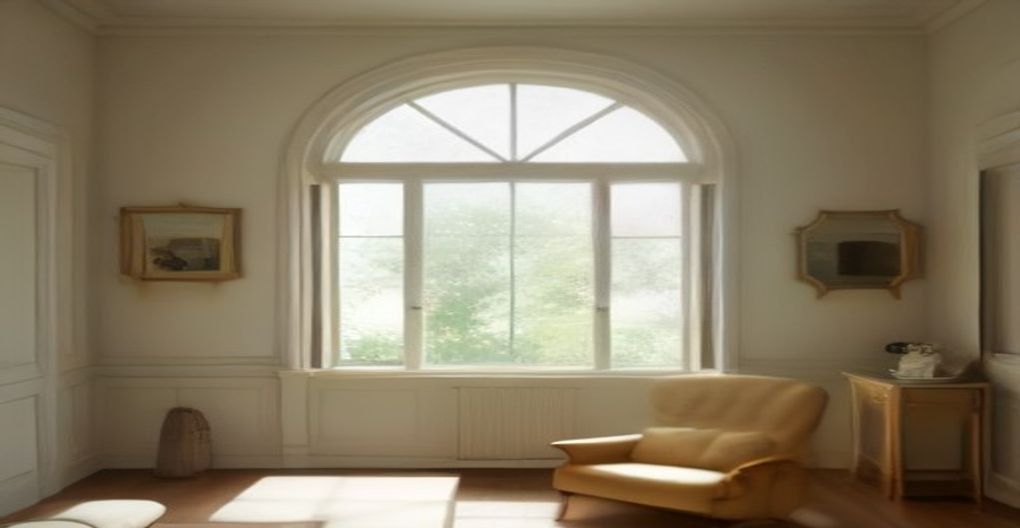
Decorating with mirrors is one of the oldest and most effective design tricks in the book. A large mirror reflects both natural and artificial light, bouncing it deep into the room. It also creates a window-like effect, adding visual depth by tricking the brain into seeing a continuation of the space. For maximum impact, place a large mirror directly opposite your main window to capture and reflect the daylight.
Creating Layers of Light
To make your small living room feel warm and inviting, aim for at least three sources of light. Combine ambient lighting (like a dimmable flush-mount ceiling fixture), task lighting (like a reading light or desk lamp), and accent lighting (such as LED strip lights tucked under floating shelves or behind the TV). This layered approach softens shadows, highlights architectural details, and allows you to adjust the ambiance depending on the time of day.
Grounding the Room: Rugs and Textiles
Textiles play a massive role in setting the tone of a living room. In a small space, they must be chosen with precision. The wrong rug size or heavy, dark fabrics can overwhelm the room, while the right choices will pull the design together beautifully.
The “Go Big” Rug Rule
One of the most common design mistakes in small living rooms is choosing an area rug that is too small. A tiny rug floating in the middle of the room under the coffee table acts like a visual postage stamp, chopping up the floor space and making the entire room look smaller. Instead, choose a large rug that fits under at least the front legs of all your major seating pieces. This unifies the furniture grouping and expands the visual boundaries of the seating area.
Textural Variety Over Busy Patterns
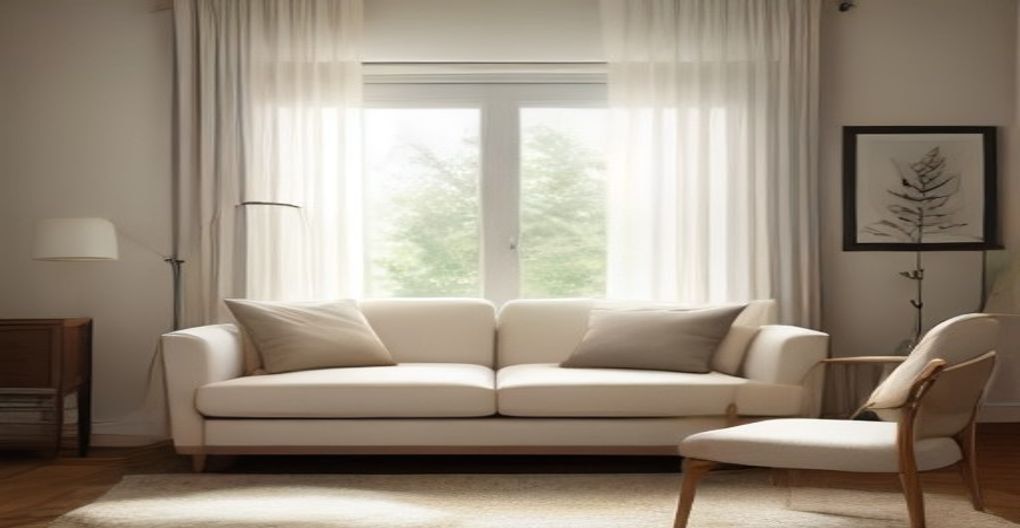
While bold, busy patterns can sometimes look chaotic and overwhelming in a confined space, solid colors can risk looking boring. The solution is to focus on rich, contrasting textures. Combine a chunky wool rug with a smooth leather armchair, a soft velvet sofa, and lightweight linen curtains. This approach adds immense visual interest, depth, and warmth to the room without creating visual clutter.
Masterful De-cluttering and Concealed Storage
No matter how beautiful your furniture or color scheme is, a small living room will never feel spacious if it is cluttered. Developing a smart storage strategy is essential to maintaining a peaceful, organized environment.
Closed vs. Open Storage
While open shelving is beautiful for displaying curated decor, it can quickly look messy if overfilled. Balance is key. Use closed storage cabinets to hide less attractive, everyday essentials like video games, remote controls, cables, and paperwork. Save open shelving for a few beautifully styled books, ceramic vessels, and trailing plants. The golden rule of small space styling is to leave some empty space on every shelf to let the room “breathe.”
The Floating Credenza
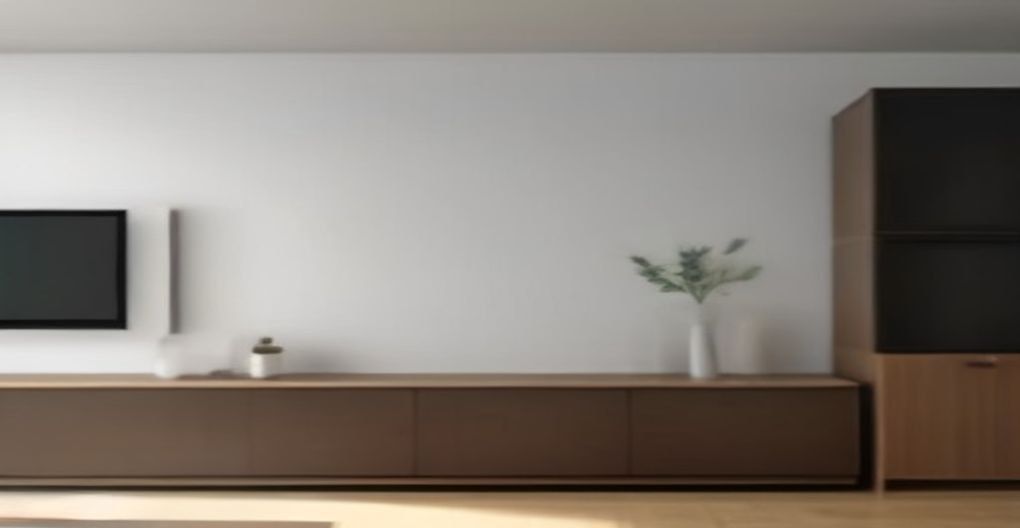
Using a floating media console or credenza is a brilliant trick for narrow or small living rooms. Because the unit is mounted to the wall and lifted off the floor, you can see the floor running all the way to the wall underneath it. This exposed floor space tricks the mind into perceiving the room as more spacious and less heavy than it would with a traditional, solid-to-the-floor TV stand.
Curating Art, Decor, and Scale
Finally, the finishing touches of art and decor are what make your living room feel like home. In a small space, the scale of these items is critical. A common misconception is that small rooms require small decor, but this often leads to a cluttered, fragmented look.
The Leggy Furniture Advantage
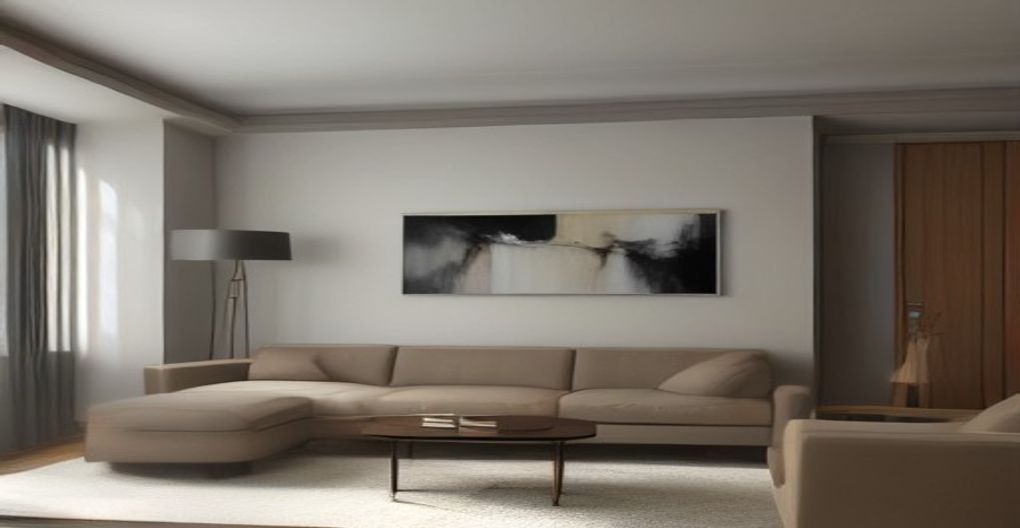
When selecting sofas, armchairs, and coffee tables, look for designs with exposed legs rather than skirted or blocky bases. Furniture that is raised off the floor allows light and air to flow under and around it, keeping the overall look of the room light and breezy. Mid-century modern designs are particularly well-suited for small spaces due to their tapered, elegant legs and clean lines.
Oversized Art vs. Fragmented Frames
Instead of hanging a gallery wall of many small, mismatched frames—which can create a lot of visual noise—consider opting for one or two large, high-quality art pieces. A single, dramatic canvas or a large framed photograph acts as a powerful focal point, grounding the room and giving it a grand, sophisticated feel. Keep the framing simple and elegant to let the artwork do the talking.
Conclusion: Embracing Your Curated Space
Designing a small living room does not mean settling for less; it means editing down to the very best. By prioritizing smart layouts, multi-functional furniture, strategic lighting, and clever optical illusions, you can create a space that is both highly functional and stunningly beautiful. Remember that a home should reflect the people who live in it. Choose pieces that you truly love, keep clutter at bay, and enjoy the unmatched comfort, warmth, and character that only a beautifully designed small living room can provide.