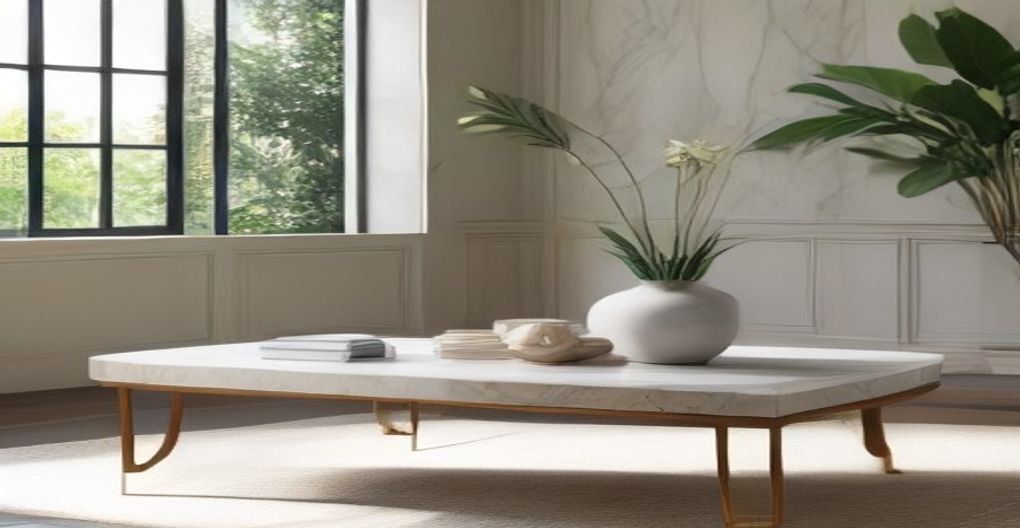
Elevating Your Living Space: The Ultimate Guide to Coffee Table Decor
The coffee table is often referred to as the anchor of the living room. It sits at the very heart of your home, serving as a focal point where conversation happens, coffee is enjoyed, and life unfolds. Yet, despite its importance, it is frequently treated as a cluttered “catch-all” for remotes, old magazines, and miscellaneous debris. Mastering the art of coffee table decor is about more than just aesthetics; it is about creating a curated vignette that balances form and function, reflecting your personal style while remaining practical for everyday use.

When approaching your coffee table, think of it as a miniature stage. The goal is to create layers, heights, and textures that draw the eye without overwhelming the space. A well-styled table should tell a story, whether that is one of minimalist tranquility, bohemian eclecticism, or modern sophistication. By following a few core design principles, you can transform your coffee table from a functional necessity into the most stylish feature of your living area.
The Power of the Foundation: Trays and Bases
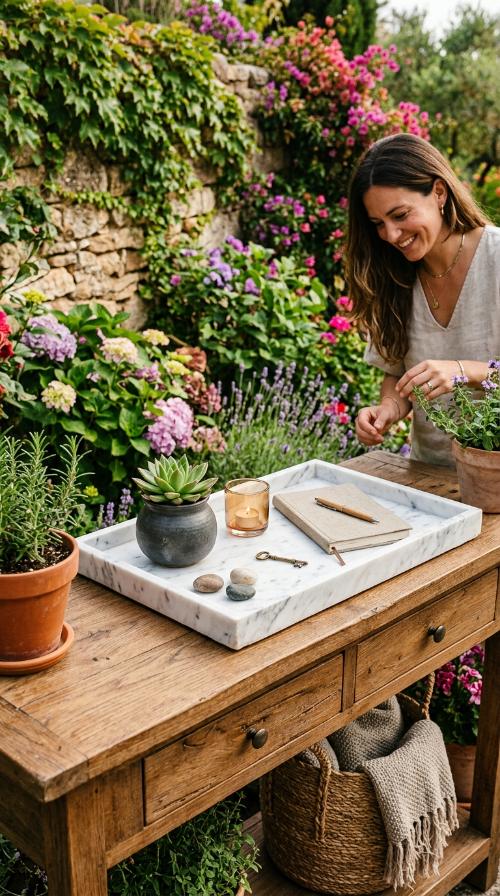
Before placing a single decorative object, consider the surface itself. If your table is large, open, or prone to becoming a dumping ground for clutter, the best place to start is with a tray. A tray acts as a frame, grounding your decorative items and creating a cohesive unit that can be easily moved when you need more table space for a game night or a spread of appetizers.
Consider the material of the tray carefully. A polished brass or gold tray adds instant glamour and warmth, while a rustic, weathered wood tray grounds the space in organic textures. For a sleek, modern look, choose a lacquer tray in a deep, moody hue like navy or charcoal. The tray not only keeps items organized but also provides a distinct visual boundary, making even a collection of disparate objects look intentional and curated.

Scaling Heights and Adding Depth
The secret to a dynamic coffee table display is variation in height. If everything on your table sits at the same level, the display will feel flat and uninteresting. You want the eye to travel across different planes, creating a sense of movement. To achieve this, use “stacking” as your primary tool. Coffee table books are the ultimate secret weapon in this regard.
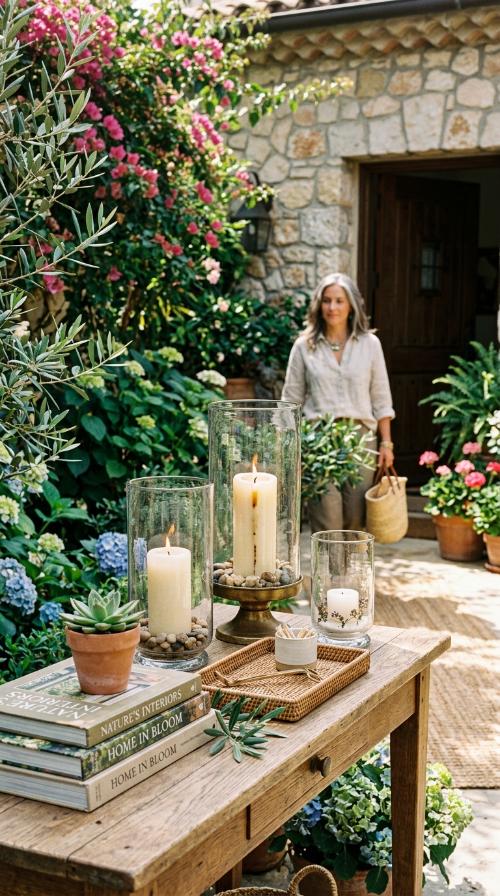
Select oversized, visually stunning books that align with your interests—whether that is architectural design, high fashion, travel photography, or vintage botanical art. Place two or three books in a stack, starting with the largest on the bottom. Not only do these provide a sturdy base for smaller objects like candles or sculptural pieces, but they also serve as excellent conversation starters. By varying the heights of your books, you create a tiered effect that immediately makes the space feel professional and designed.
Incorporating Organic Elements: Greenery and Blooms
Every living space breathes better when there is a touch of nature inside. The coffee table is the perfect place to introduce botanical elements. Whether it is a small, sculptural succulent, a trailing pothos, or a fresh bouquet of seasonal flowers, greenery adds life and color to an otherwise static arrangement.
When selecting your botanical decor, consider the scale of your table. A large, dramatic vase with tall branches works beautifully on a spacious, rectangular table, while a delicate bud vase with a single stem might be more appropriate for a petite, circular surface. Remember that fresh flowers are a luxury that changes the entire mood of a room. If maintenance is a concern, high-quality faux silk botanicals can achieve the same aesthetic benefit without the constant need for watering or pruning.

The Role of Scent and Mood: Candles and Lighting
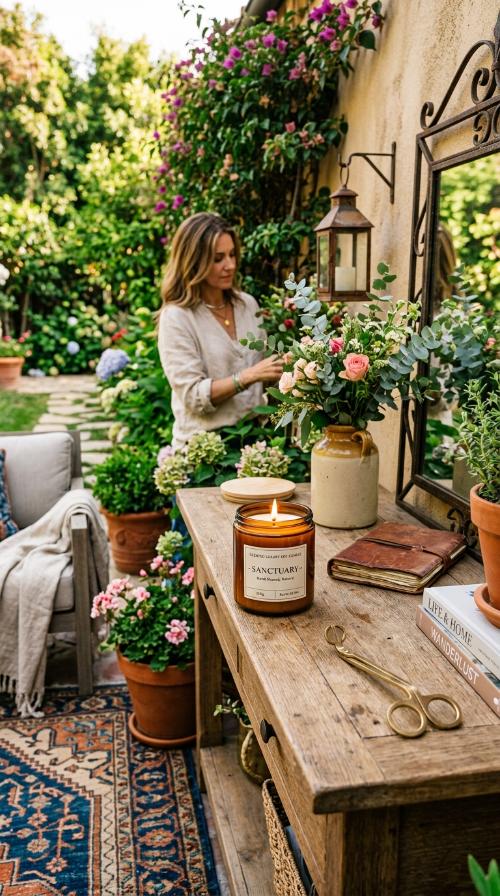
Lighting is not just about overhead fixtures or floor lamps; it extends to the coffee table as well. Candles are a staple of coffee table styling because they serve a dual purpose: they provide a warm, inviting glow that softens the mood of the room, and they can introduce a subtle fragrance that ties the space together.
Opt for candles in beautiful vessels—frosted glass, ceramic, or metallic tins—that complement your color palette. You might group three pillar candles of different heights to create a triangular, balanced look. Alternatively, a single, high-end designer candle can serve as a centerpiece. For an added touch of sophistication, consider an elegant wick trimmer or a decorative match striker. These small, functional accessories are what set a “styled” table apart from a standard one.

Sculptural Accents and Conversation Starters
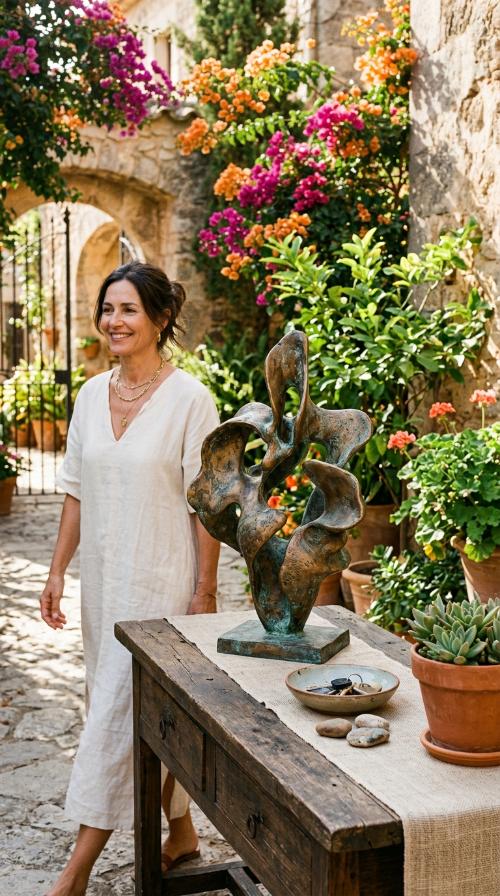
Once you have your tray, books, and greenery, it is time to inject personality with sculptural objects. These pieces don’t necessarily have to be functional—they exist primarily to add texture, color, and intrigue. Think of ceramic links, stone spheres, metal abstract figures, or interesting found objects like a piece of coral or a vintage magnifying glass.
The key here is restraint. Choose one or two “hero” pieces that have an interesting shape or texture. If your living room leans towards mid-century modern, look for geometric shapes or brass accents. If you prefer a coastal or Scandinavian vibe, look for smooth, matte ceramics or raw, unpolished stone. The goal is to create a moment of curiosity, inviting your guests to pick up the object, touch it, or ask about its origins.

Mastering the Rules of Three
One of the oldest tricks in the interior design handbook is the “rule of three.” Human brains are naturally wired to find odd numbers more visually appealing than even numbers. When you group items in threes—perhaps a stack of books, a candle, and a vase—the arrangement feels more stable and balanced. This principle works because it forces the eye to move around the group, preventing the display from feeling static or symmetrical in a way that feels too rigid or “staged.”
If you have a very long, rectangular table, you can repeat this principle by creating two or three separate “groups” of three objects along the length of the table. Just be sure to leave some negative space between these groupings. Negative space, or empty table surface, is just as important as the objects themselves. It gives the eye a place to rest and prevents the coffee table from feeling cluttered or chaotic.
Seasonal Transitions: Keeping it Fresh
Your coffee table shouldn’t be a permanent installation. One of the joys of styling is the ability to refresh the look to match the seasons or your changing mood. During the spring and summer, opt for lighter, brighter colors, fresh cut flowers, and items made of glass or light, airy wood. When autumn and winter arrive, you can swap these for deeper, richer tones, metallic accents, textured wool throws nearby, and candles with warmer, spicier scents.
Seasonal styling doesn’t have to involve buying all new items. Often, it is as simple as changing the dust jacket on your books, swapping a floral arrangement for a bowl of pinecones or dried pomegranates, or simply rearranging the items you already own. By treating your coffee table as a living, breathing design element, you ensure that your living room always feels current and cared for.
Practicality Meets Style: Balancing the “Catch-All”
Finally, we must address the reality of life. A coffee table is a functional piece of furniture. It will hold coffee cups, wine glasses, remotes, and perhaps even a stray tablet. The secret to keeping it styled is to integrate function into the aesthetic. If you have remote controls, invest in a beautiful decorative box to house them. If you drink coffee regularly, ensure you have a set of high-quality coasters that are beautiful enough to be left out on display.
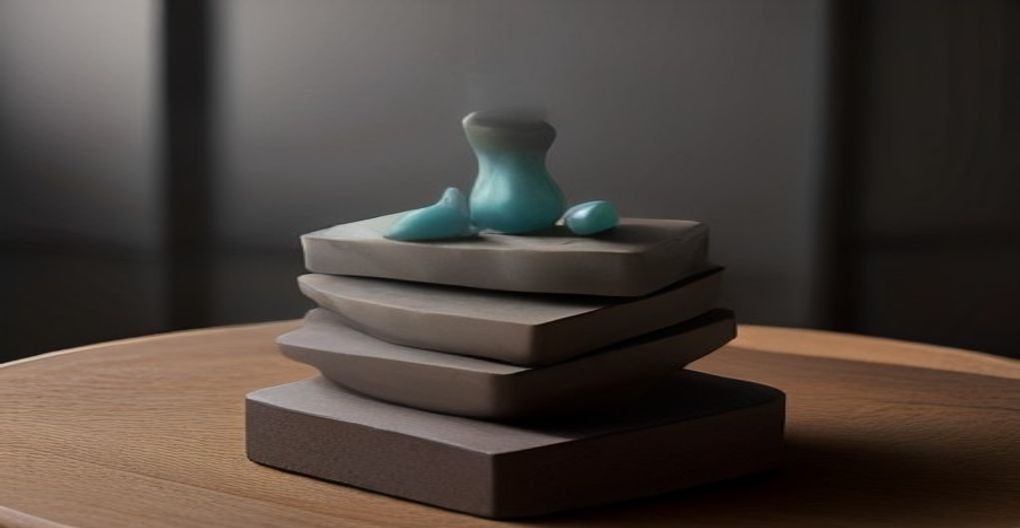
Coasters are a fantastic way to introduce color, material, and texture to your table. Whether you choose agate, leather, marble, or brass, a stack of coasters can be a decorative element in its own right. By choosing accessories that are both beautiful and useful, you bridge the gap between high-design imagery and a home that is genuinely comfortable to live in. Ultimately, the best coffee table decor is that which brings you joy every time you enter the room, turning a simple piece of wood or glass into the heart of your home’s narrative.