

Imagine coming home to a space that instantly lowers your heart rate. Modern life is loud and busy, making your living environment the ultimate retreat for your mental well-being.
9 Minimalist Interior Design Ideas for a Calm Clutter Free Home help you reclaim your space. Let’s transform your environment into a place of true serenity and focus.
Embrace a lifestyle where every object serves a purpose. By simplifying your surroundings, you create room for what truly matters and find peace within your own four walls.
1. Soft Neutral Tones

Start with a base of whites, beiges, or soft greys. These colors reflect light and make any room feel instantly larger and more open to the eye.
A neutral palette reduces visual noise. This creates a cohesive look that allows your mind to rest without being distracted by clashing or overly bright colors.
Focus on warm undertones to keep the space from feeling cold. This balance ensures your minimalist home remains inviting and cozy for everyone who enters.
2. Dual-Purpose Furniture

Choose pieces that serve more than one function. An ottoman with hidden storage or a desk that folds away can save significant floor space in smaller rooms.
Minimalist living is about having exactly what you need. Multi-functional furniture reduces the total number of items required to live comfortably and stay organized daily.
Investing in quality over quantity is the core of this approach. Look for clean lines and sturdy materials that stand the test of time and heavy use.
3. Smart Concealed Storage

Visual clutter often causes unnecessary stress. Using built-in cabinets or sleek wardrobes helps tuck away daily items that don’t need to be on constant display.
Keep surfaces like coffee tables and kitchen counters almost entirely clear. This simple habit creates a sense of order that makes cleaning much faster and easier.
When every item has a dedicated, hidden spot, your home feels lighter. You will spend less time searching for things and more time relaxing.
4. Maximizing Natural Light
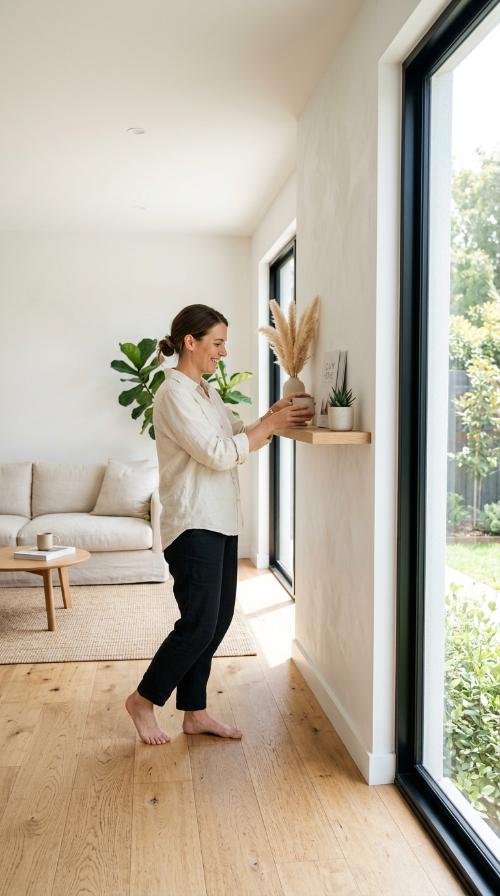
Natural sunlight is a key element of minimalist design. It highlights the beauty of your space and boosts your mood throughout the day naturally.
Use sheer curtains or keep windows uncovered to let light flood in. Large mirrors placed opposite windows can also help bounce light into darker corners.
A bright room feels more energetic and spacious. This simple adjustment connects your indoor environment with the outside world, promoting a sense of calm.
5. Curated Indoor Plants
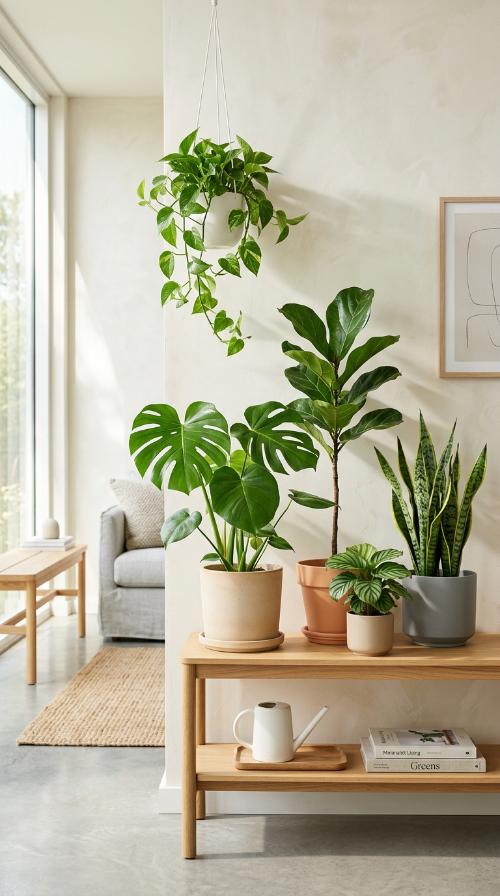
Bring life into your home with a few carefully selected plants. A single large fiddle leaf fig or a simple snake plant adds organic texture effortlessly.
Plants improve air quality and provide a soft pop of color. In a minimalist setting, greenery acts as a living sculpture that enhances the room’s vibe.
Avoid overcrowding your window sills with too many small pots. One or two statement plants look much cleaner and are easier to maintain long-term.
6. A Single Statement Art Piece
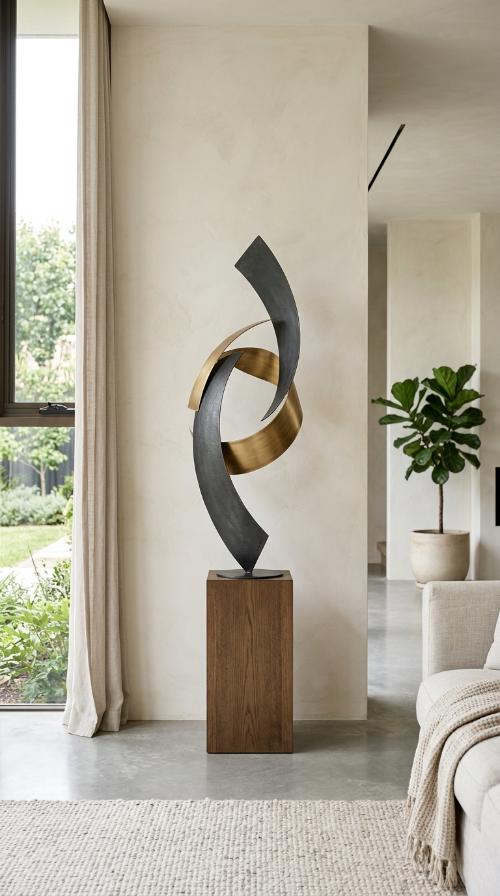
Rather than a gallery wall, choose one large piece of art. This creates a clear focal point and prevents the walls from feeling busy or overwhelming.
Look for abstract prints or photography that matches your color scheme. The goal is to evoke emotion without adding to the visual chaos of the room.
Large-scale art can actually make a small room feel bigger. It draws the eye upward and gives the space a professional, curated gallery feel.
7. Tactile Textile Layers

Minimalism doesn’t have to be cold or sterile. Adding a wool throw or a linen pillow introduces warmth and comfort to your seating areas.
Stick to natural materials like cotton, jute, and wool. These textures add depth to a monochromatic room without requiring extra decorative knick-knacks on the shelves.
Keep the patterns simple or non-existent to maintain a clean look. Mixing different textures in the same color family is a great way to add interest.
8. Organized Entryway Zone

The entryway sets the tone for your entire home. Keep it tidy with a simple wall hook for keys and a slim bench for shoes.
Avoid letting mail or bags pile up near the door. A dedicated landing strip ensures that the first thing you see is peace, not chores.
Use a small tray to catch loose items. This minor change prevents clutter from migrating into the rest of your beautiful, minimalist living spaces.
9. Intentional Open Space
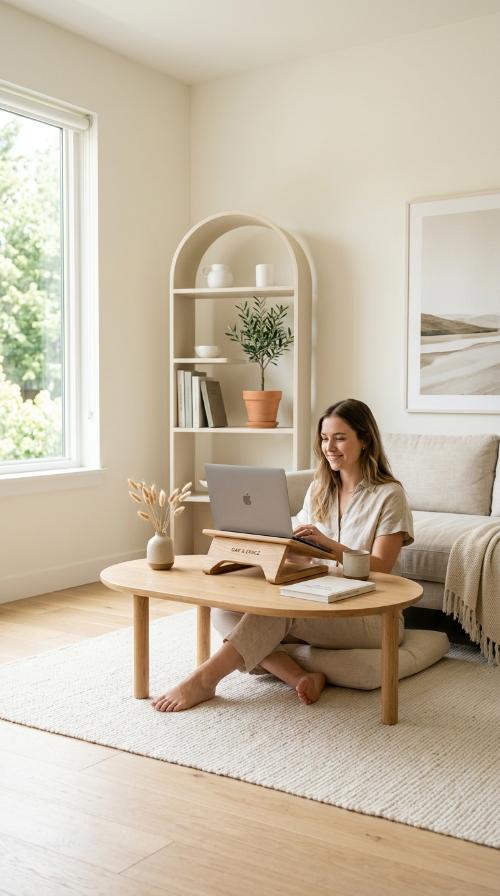
Don’t feel the need to fill every empty corner. Negative space is a powerful design tool that allows your furniture and architecture to breathe.
Leaving areas of the floor or walls bare creates a sense of luxury. It proves that you are in control of your belongings, not the other way around.
Open space encourages movement and flow. It makes your home feel expansive and provides a mental break from the crowded world outside your front door.
What is the main goal of minimalism?
Minimalism focuses on keeping only what adds value to your life. It aims to reduce stress by creating a functional, beautiful, and distraction-free environment.
Can a minimalist home still be cozy?
Absolutely. By using soft textures, warm lighting, and natural materials, you can create a space that feels both clean and incredibly inviting for your family.
How do I start decluttering my house?
Start small by clearing one surface at a time. Remove everything you haven’t used in a year and focus on keeping items that serve a purpose.
Is minimalist design expensive to achieve?
Minimalism often saves money because you buy fewer things. Focus on high-quality essentials rather than cheap decor, which reduces long-term spending and waste.
What colors work best for minimalist interiors?
Neutral shades like soft white, cream, and muted grey are best. They reflect light well and provide a timeless backdrop for your furniture and art.
How do I handle sentimental items?
Store sentimental items in a dedicated, hidden box. You can also display one or two special pieces prominently as a focal point instead of many small items.