

Struggling with a cramped or cluttered bedroom? Finding the perfect bedroom furniture arrangement for a better layout can transform your space into a peaceful sanctuary instantly.
Smart placement maximizes flow and improves sleep quality. These expert tips will help you optimize every square inch while keeping your style front and center.
Whether you have a tiny room or a master suite, these ideas ensure comfort. Let’s explore how to arrange your furniture for the ultimate functional retreat.
1. Center the Bed

Placing your bed in the center of the main wall creates a strong focal point. This balanced look makes the room feel grounded and organized.
Leave equal space on both sides for easy movement. This symmetry is aesthetically pleasing and provides room for matching nightstands to hold your evening essentials.
Ensure there is a clear path to the door. This simple change drastically improves the daily flow and makes the bedroom feel much more inviting.
2. Use Corner Placement for Small Rooms
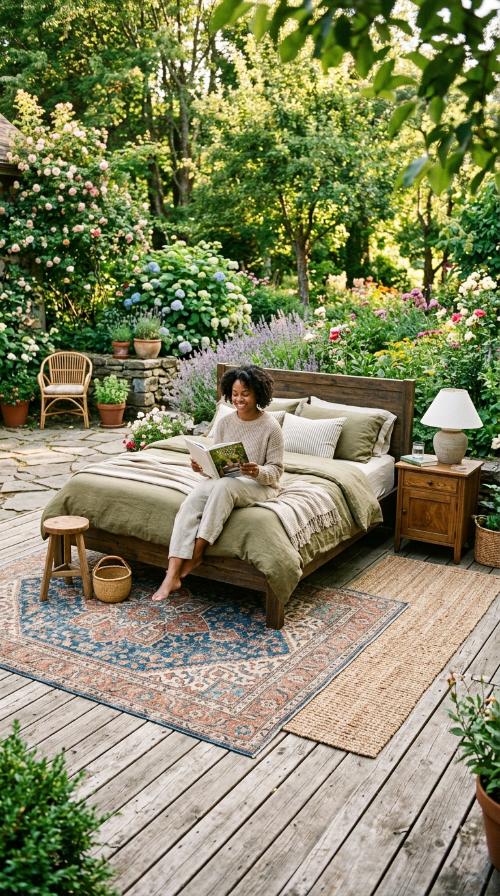
In smaller spaces, tucking your bed into a corner saves valuable floor area. This creates more open space for other furniture or activities.
Use the wall as a cozy headboard alternative. This layout works exceptionally well for guest rooms or studio apartments where every inch counts.
Pair this with a wall-mounted light to save even more space. You will enjoy a snug sleeping nook that feels intentional and very comfortable.
3. Create a Dedicated Seating Area
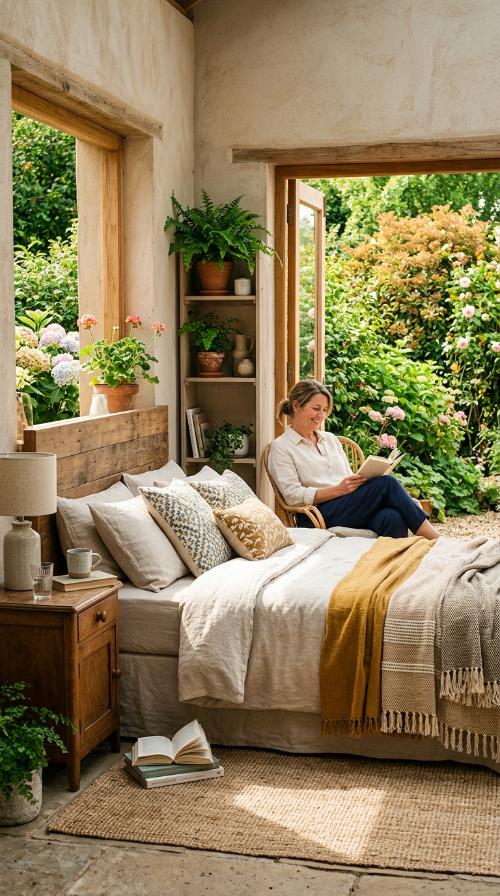
If space allows, add a small armchair near a window. This transforms your bedroom from just a sleeping area into a multi-functional living space.
It provides a quiet spot for reading or relaxing before bed. Having a secondary zone makes the layout feel more luxurious and well-planned.
Keep the chair away from the main traffic path. A simple rug can help define this cozy zone without making the room feel crowded.
4. Position the Dresser Opposite the Bed

Placing a dresser directly across from the foot of the bed balances the room. It creates a visual weight that counters the large bed frame.
This arrangement leaves the sides of the bed open for walking. It also provides a perfect surface for a television or beautiful decor items.
Ensure there is enough clearance to open all drawers fully. Proper spacing prevents the layout from feeling cramped during your morning routine.
5. Floating Furniture Layout

For very large bedrooms, try pulling the furniture away from the walls. Floating the bed in the center creates a unique and modern aesthetic.
This technique helps fill up empty space that might otherwise feel cold. It allows for creative walkways and unique lighting placements throughout the room.
Use a large area rug to anchor the floating pieces. This keeps the furniture from looking like it is drifting aimlessly in the large space.
6. Maximize Natural Light
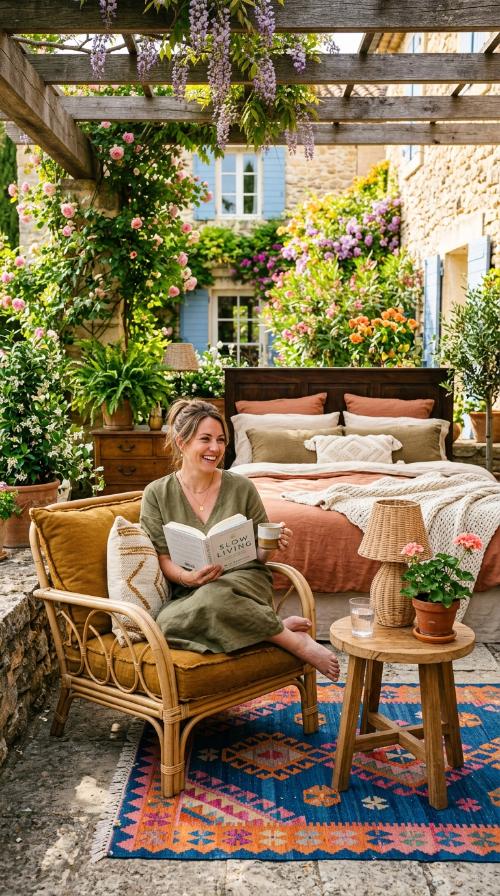
Arrange your layout to take advantage of natural light sources. Placing your bed parallel to a window allows for gentle morning sun without glare.
Avoid blocking windows with tall wardrobes or heavy headboards. Keeping these areas clear makes the room feel much larger, brighter, and more airy.
Position mirrors across from windows to bounce light further into the room. This simple trick enhances the overall mood and energy of your space.
7. Add a Bench at the Foot of the Bed

An end-of-bed bench adds both style and functionality to your layout. It serves as a great spot for putting on shoes or laying out clothes.
It also helps extend the visual line of the bed. This makes the furniture arrangement feel more substantial and professionally designed.
Choose a bench with built-in storage for extra blankets. This keeps the room tidy while adding a layer of comfort to the overall design.
8. Vertical Storage Solutions
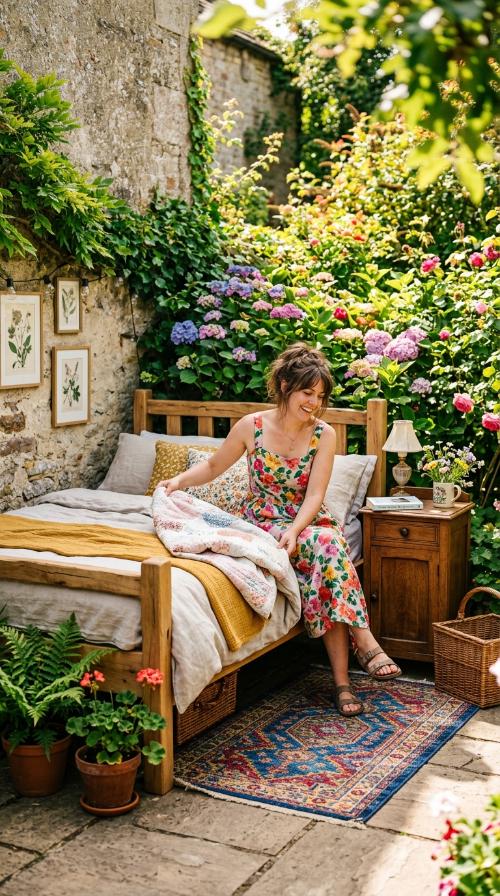
Use vertical space to keep the floor layout clear. Tall bookshelves or wardrobes draw the eye upward and make low ceilings feel much higher.
Slim, high pieces provide ample storage without taking up much floor footprint. This is essential for maintaining an open and breathable bedroom environment.
Secure tall furniture to the wall for safety. This arrangement ensures your room stays organized while looking sleek and perfectly curated.
9. Symmetry with Twin Beds
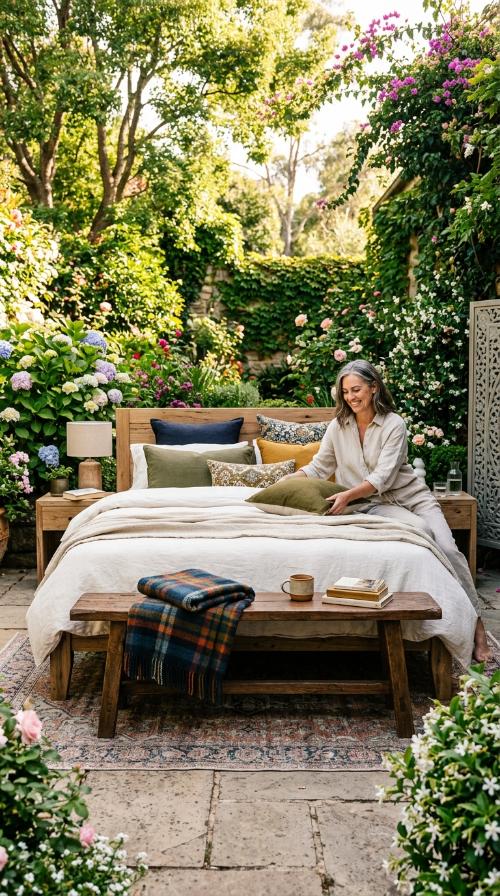
When arranging two beds, place them side by side with a shared nightstand. This symmetrical layout creates a sense of order and calm.
Leave at least two feet between the beds for comfortable movement. This ensures both occupants have enough personal space and easy access to their items.
Using identical bedding reinforces the balanced look. It makes a shared room feel cohesive and thoughtfully planned rather than cluttered.
10. Zone with Area Rugs
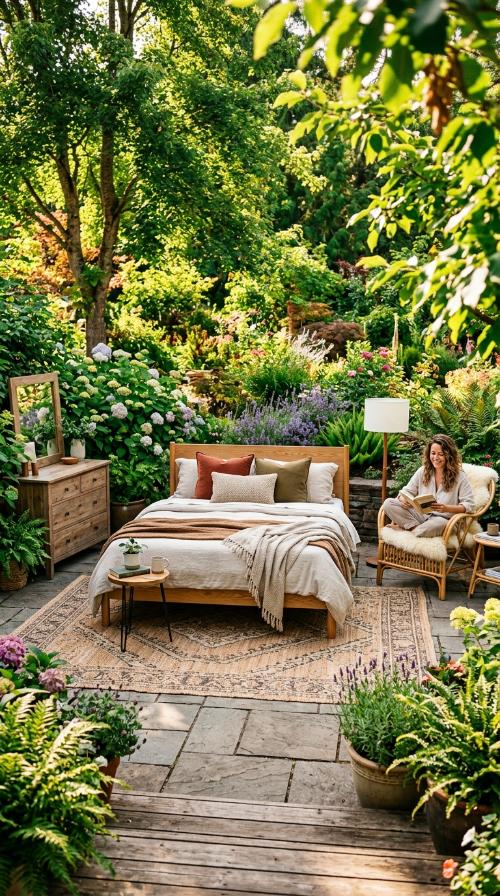
Use rugs to define different areas within your bedroom layout. A large rug under the bed grounds the sleeping zone and adds warmth.
Ensure the rug is large enough to extend past the sides. This provides a soft surface for your feet when you wake up every morning.
Rugs can also separate a workspace from the sleeping area. This visual boundary helps your brain switch from work mode to relaxation mode easily.
Where should the bed go first?
Start by placing the bed against the longest wall without windows. This usually creates the best flow and leaves room for other essential furniture pieces.
How much space is needed around a bed?
Aim for at least two feet of walking space on each side. This ensures you can move freely and make the bed without feeling cramped.
Can I put a bed in front of a window?
Yes, but avoid blocking the entire view or airflow. Use a low headboard to allow light to enter the room while providing necessary support.
What is the best layout for small bedrooms?
Push the bed into a corner or against one wall. This maximizes the remaining floor area for a dresser, desk, or open walking space.
Does furniture arrangement affect sleep?
A cluttered or awkward layout can cause stress. An organized, balanced arrangement promotes a sense of calm that helps you fall asleep much faster.
How do I balance a large bedroom?
Use larger furniture pieces and create distinct zones. Adding a seating area or a large rug helps the room feel cozy rather than empty.