

Dreaming of a home that feels like a warm hug? Japandi style blends Japanese zen with Scandinavian cozy. It is the ultimate secret to a calm minimalist home.
11 Japandi Interior Design Ideas for a Calm Minimalist Home will transform your space. Say goodbye to clutter and hello to intentional, peaceful living today.
1. Low-Profile Furniture
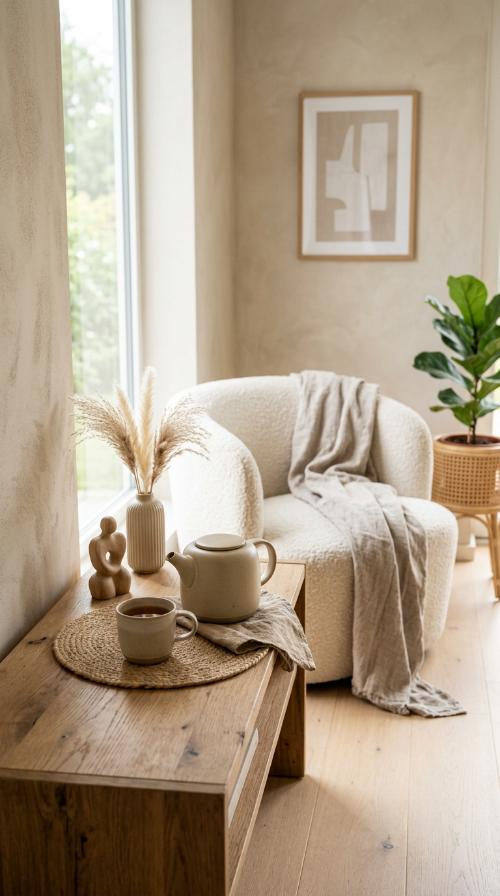
Low furniture creates a sense of openness. It draws the eye downward, making your ceilings feel much higher. This grounded approach is a core pillar of Japandi design.
Choose a sleek wooden platform bed. Its clean lines provide a stable foundation for rest. Keeping furniture close to the floor encourages a deep sense of psychological calm.
Avoid bulky frames that crowd the room. Instead, opt for slim profiles that allow air to flow. This simple shift instantly makes any small bedroom feel more expansive.
2. Pale Oak Wood Finishes

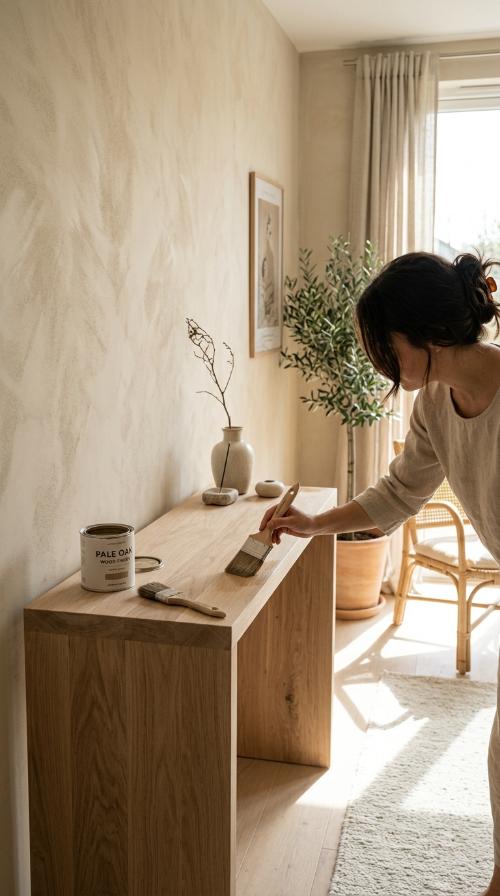
Wood is the soul of Japandi interiors. Light oak or ash provides a warm, natural glow. These light tones keep your space feeling bright and incredibly airy.
Focus on raw, matte finishes rather than glossy stains. The tactile nature of natural wood adds a layer of organic texture. It bridges the gap between nature and home.
Use wood for flooring, shelving, or statement furniture. Consistency in wood tones creates a harmonious flow. This visual unity is essential for a truly minimalist aesthetic.
3. Earthy Neutral Palette

Move beyond stark white walls. Instead, embrace soft beiges, muted greys, and warm ochres. This palette creates a soothing backdrop that feels sophisticated yet very inviting.
These colors mimic the natural world outside. They reflect soft light without being harsh on the eyes. A cohesive color scheme reduces visual noise and promotes mental clarity.
Add depth with subtle variations of the same hue. Layering tones prevents the room from looking flat. This creates a rich, cozy atmosphere that still feels clean.
4. Functional Paper Lanterns

Lighting should be soft and diffused. Traditional Japanese Washi paper lanterns are perfect for this. They cast a warm, ambient glow that softens every corner of the room.
These lightweight fixtures add a sculptural element to your ceiling. They are art pieces that serve a practical purpose. The organic texture of paper feels very human.
Use a large pendant over your dining area. It creates a focal point that feels weightless. Soft lighting is the fastest way to achieve a tranquil home vibe.
5. Indoor Greenery and Branches
Bringing nature inside is a must. However, Japandi favors “less is more.” A single, striking branch in a ceramic vase is often more impactful than many plants.
Look for plants with architectural shapes. Bonsai trees or tall olive trees fit the aesthetic perfectly. They provide a pop of life without cluttering your clean surfaces.
Place greenery in corners or on side tables. The green leaves contrast beautifully against neutral wood. This connection to the outdoors improves air quality and mood.
6. Natural Fiber Textiles

Comfort is key in the “Scandi” side of Japandi. Incorporate linen, wool, and hemp into your decor. These breathable materials feel amazing against the skin.
Choose textiles in their natural, undyed states. The slight imperfections in the weave add character. Texture replaces the need for busy patterns or bright colors.
Drape a heavy knit throw over a sofa. Layer linen pillows in varying sizes for a cozy look. This tactile variety makes a minimalist space feel lived-in and warm.
7. Curved and Organic Shapes

Balance sharp lines with soft curves. An arched doorway or a rounded chair breaks up the rigidity. These organic shapes mimic the flow found in nature.
Soft edges make a room feel more approachable. They prevent a minimalist home from feeling too cold or clinical. A curved coffee table adds a gentle visual rhythm.
Look for furniture that honors the human form. Ergonomic designs often feature these natural sweeps. Combining straight and curved lines creates a perfectly balanced interior.
8. Matte Black Accents

Use black to add definition. Small accents like faucets, picture frames, or lamps provide contrast. This “ink-wash” effect is a nod to traditional Japanese art.
Black grounds the lighter elements of the room. It adds a modern, sophisticated edge to the soft palette. Keep these accents slim and minimal to maintain the balance.
A thin black floor lamp can anchor a reading nook. It provides a sharp silhouette against a neutral wall. This contrast adds visual interest without needing extra decor.
9. Decluttered Open Shelving

Storage should be both beautiful and functional. Use open shelving to display a few curated items. Only show pieces that bring you joy or serve a daily purpose.
Leave plenty of empty space on each shelf. This “negative space” allows the eye to rest. It highlights the beauty of your favorite ceramics or books.
Hide unsightly clutter in woven baskets or wooden boxes. This keeps the overall look clean and organized. A tidy home leads to a much tidier mind.
10. Slatted Wood Wall Panels

Wood slats add texture and verticality. They create a stunning feature wall without the need for paint. This architectural detail feels both modern and timeless.
The repetitive lines provide a sense of order and calm. They can also help with sound absorption in open rooms. It is a functional way to add warmth.
Use slats behind a bed or a desk. They define a specific zone within a larger space. This zoning is a smart way to organize a minimalist layout.
11. Handcrafted Ceramic Decor

Celebrate the beauty of imperfection. Wabi-sabi is a core Japanese concept found in Japandi. Hand-thrown pottery with slight irregularities adds soul to your home.
Choose pieces that feel heavy and substantial. A stone bowl or a rough clay vase adds an earthy touch. These items tell a story of craftsmanship and care.
Place one or two pieces on a sideboard. Avoid mass-produced items that lack character. Authentic, handmade decor makes your minimalist space feel truly personal and unique.
What is Japandi style?
It is a fusion of Japanese and Scandinavian design. It combines minimalism, functionality, and a love for natural materials to create a peaceful and balanced home environment.
Is Japandi good for small apartments?
Yes, it is perfect for small spaces. The focus on low-profile furniture and neutral colors makes rooms feel much larger and less cluttered than traditional styles.
Can I use color in Japandi?
Stick to soft, earthy tones like sage green or terracotta. Avoid bright, neon, or primary colors. The goal is to keep the palette grounded in the natural world.
What kind of wood is best?
Light-toned woods like oak, ash, and bamboo are ideal. They provide warmth without darkening the room. Ensure the wood has a natural, matte finish for the best look.
How do I start a Japandi makeover?
Begin by decluttering your main living areas. Remove unnecessary items and focus on quality over quantity. Introduce one or two natural wood pieces to set the tone immediately.
Is Japandi expensive to achieve?
Not necessarily. It focuses on buying fewer, better-quality items. You can often repurpose existing wooden furniture or simply simplify your current decor to match the aesthetic.