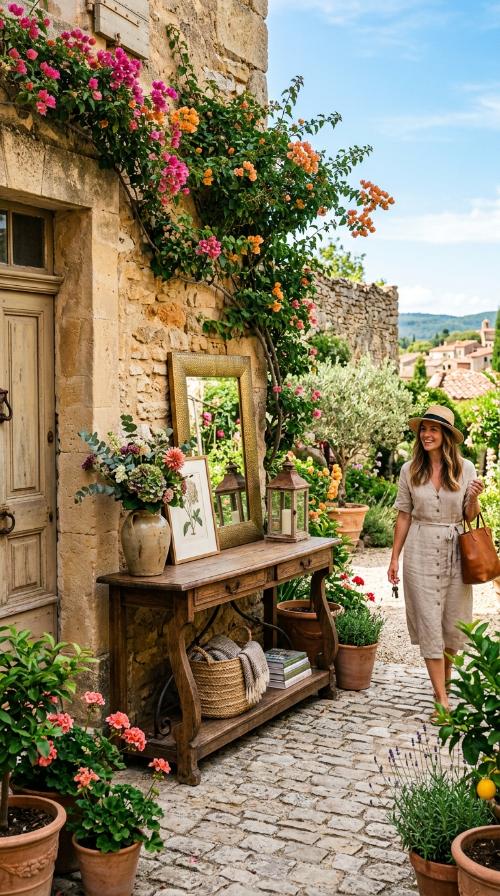
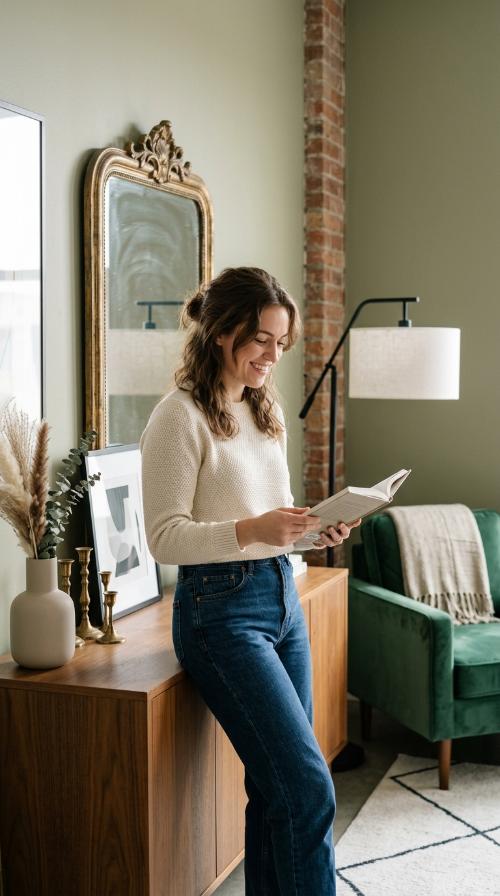
Your entryway is the first thing guests see. It sets the tone for your entire home. Let’s make that first impression truly unforgettable and stylish.
Creating a designer entrance doesn’t require a massive renovation. Small, intentional changes often lead to the biggest results. Use these professional tips to elevate your foyer today.
From lighting to furniture, every detail matters for your home’s greeting. Discover how to balance function with high-end beauty. Transform your space into a welcoming masterpiece right now.
1. Statement Console Table
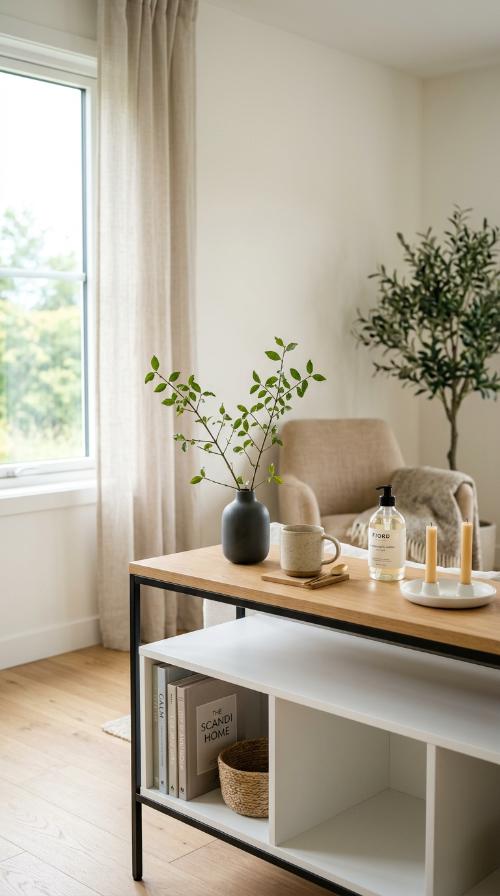
A bold console table serves as the perfect anchor. It provides a functional focal point for your entire entryway design.
Choose a design that reflects your personal style. Wood adds natural warmth, while metal creates a sleek, modern vibe for guests.
Ensure the scale fits your hallway perfectly. A table that is too large can make the space feel cramped and cluttered.
2. Oversized Wall Mirror
Mirrors are a designer’s favorite secret weapon. They reflect light and make small spaces feel much larger and brighter instantly.
An oversized circular mirror adds a soft touch. It balances the sharp lines of your front door and console furniture.
Hang the mirror at eye level for maximum impact. This ensures guests can quickly check their appearance upon their arrival.
3. Layered Entryway Rugs
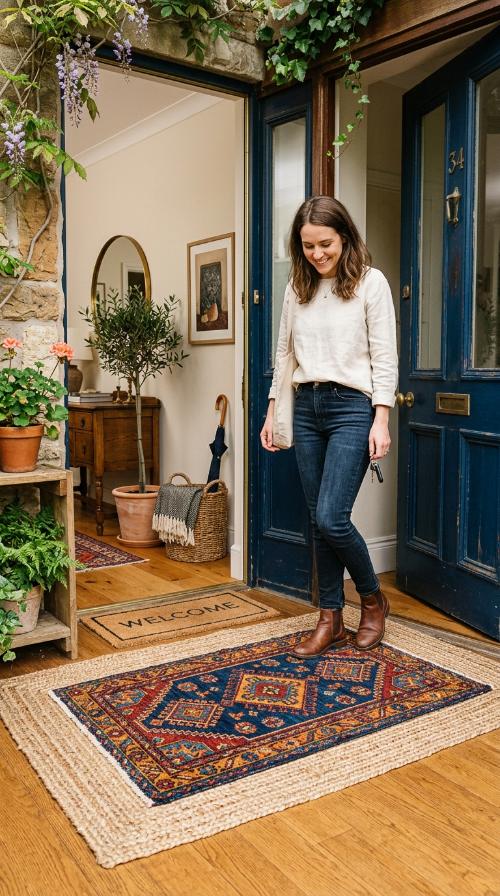
Layering rugs adds texture and visual interest to your floor. Start with a large jute base for durability and natural style.
Place a smaller, patterned rug on top for a pop of color. This creates a cozy and sophisticated look for visitors.
Choose materials that are easy to clean. Entryways see high foot traffic, so durability is essential for long-term style and use.
4. Modern Decorative Wall Hooks
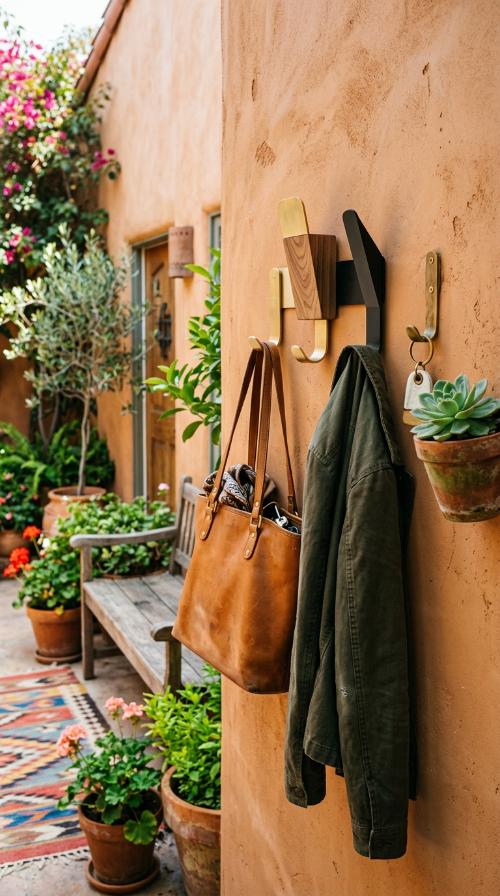
Wall hooks offer a perfect blend of form and function. They keep coats and bags organized without requiring bulky floor storage.
Select hooks with unique shapes or metallic finishes. They act as functional wall art even when they are not in use.
Space them evenly to maintain a clean, curated look. This prevents the wall from appearing messy during the winter months.
5. Sculptural Statement Lighting
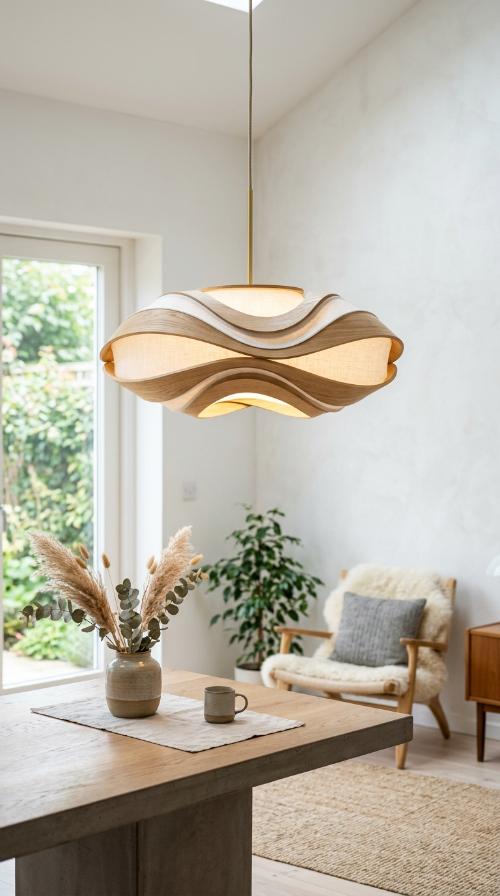
Lighting is the jewelry of the home. A sculptural pendant light draws the eye upward and defines the entire entryway area.
Swap out basic builder fixtures for something unique. A glass globe or a gold lantern adds instant luxury to the space.
Consider a dimmer switch for your entryway lights. This allows you to set a warm, inviting mood for evening dinner guests.
6. Elegant Bench Seating
A small bench provides a convenient spot for guests. It offers a comfortable place to sit while removing or putting on shoes.
Tuck the bench under a console or against a bare wall. Choose a fabric like velvet or leather for a premium feel.
Add a couple of lumbar pillows for extra style. This makes the seating area feel more intentional and professionally designed.
7. Vibrant Indoor Greenery
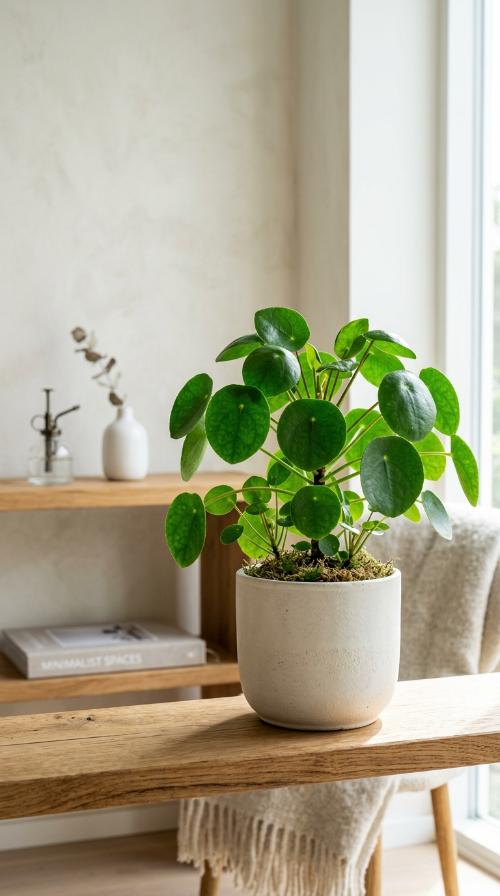
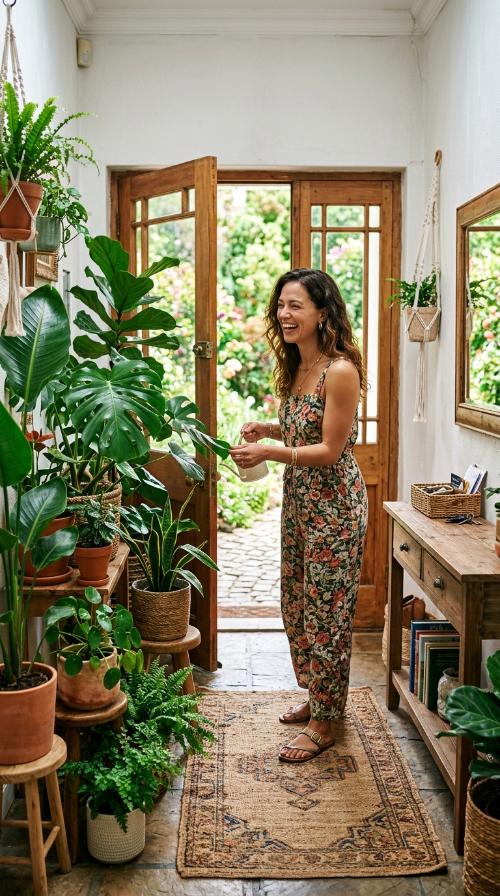
Plants bring life and energy into a home immediately. A tall potted plant in the corner adds height and organic beauty.
If you have low light, try a snake plant. These hardy plants thrive in hallways and require very little weekly maintenance.
Use a decorative ceramic pot that matches your decor. The right planter ties the greenery into your overall design theme.
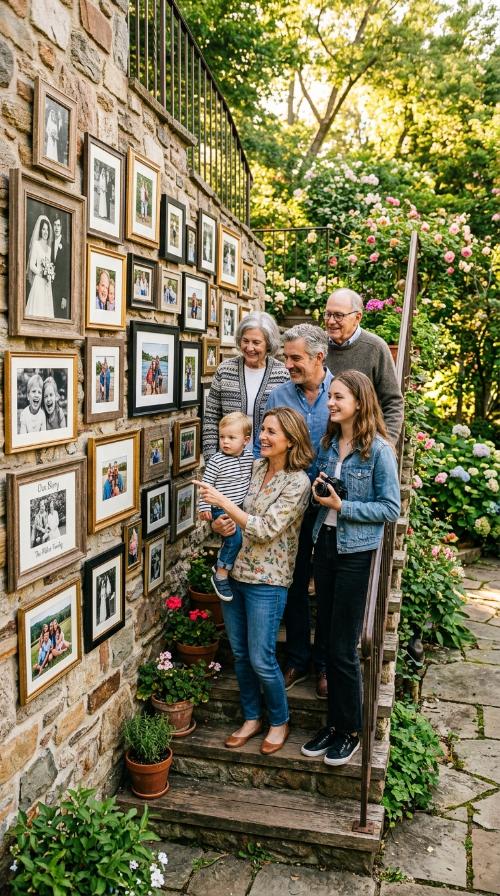
8. Curated Gallery Wall
A gallery wall tells your personal story to guests. Mix family photos with abstract art for a sophisticated, lived-in appearance.
Use matching frames for a clean, cohesive look. Alternatively, mix different finishes for a more eclectic and artistic vibe.
Keep the bottom of the frames aligned for balance. This simple trick makes the arrangement look professional and well-planned.
9. Bold Patterned Wallpaper
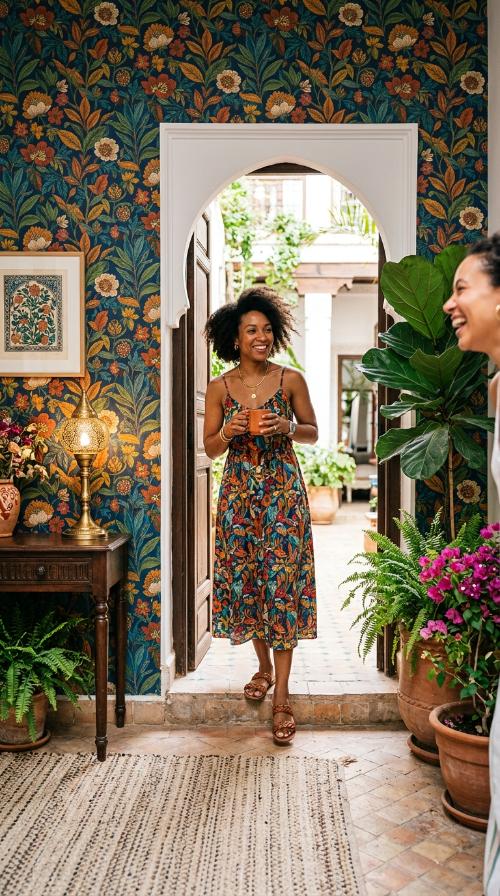
Wallpaper adds instant character to a small foyer. A bold pattern makes the space feel intentional and high-end without extra furniture.
Consider a peel-and-stick option for an easy update. This allows you to change the look whenever trends or tastes evolve.
Focus on one accent wall to avoid overwhelming the area. This creates a stunning backdrop for your console and mirror.
10. Minimalist Catch-all Tray
Small details like trays keep your entryway organized. A leather or marble tray is perfect for holding keys and mail.
It prevents clutter from spreading across your furniture surfaces. Everything has a designated home, making your morning routine much smoother.
Choose a tray that complements your console table’s finish. This small addition adds a layer of professional styling to your home.
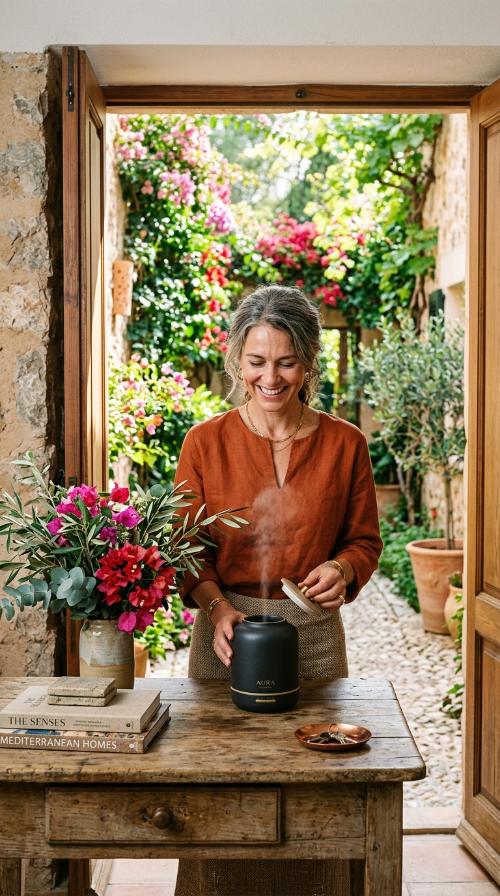
11. Luxury Scent Diffuser
A stylish home should also smell amazing. A reed diffuser provides a constant, subtle fragrance that welcomes everyone inside.
Select a scent that matches the current season. Fresh citrus is great for spring, while woodsy notes suit the winter.
Place the diffuser on a stack of books. This adds height and turns a simple bottle into a beautiful decor piece.
What is the best rug for entryways?
Choose a durable, low-pile rug that handles heavy foot traffic. Synthetic blends or natural jute are excellent, stylish choices for homes.
How do I light a dark entryway?
Layer your lighting with a bright overhead fixture and a warm table lamp. This creates depth and eliminates dark, uninviting corners.
Can I use wallpaper in small foyers?
Yes, a bold pattern can actually make a small space feel more intentional. It adds instant character without taking up any floor space.
What color makes an entryway look bigger?
Light neutrals like soft white or pale gray open up the area. These colors reflect natural light beautifully for a bright, airy feel.
How many hooks do I need?
Aim for three to five hooks for a standard family home. This keeps coats organized without cluttering the entire wall with heavy items.
Should I include a seat?
A small bench or stool is highly recommended. It provides a convenient spot for guests to take off their shoes comfortably and safely.
Stop playing it safe with boring neutral tones. Your home should always reflect your vibrant personality. Embrace maximalism to create a space that truly feels alive.
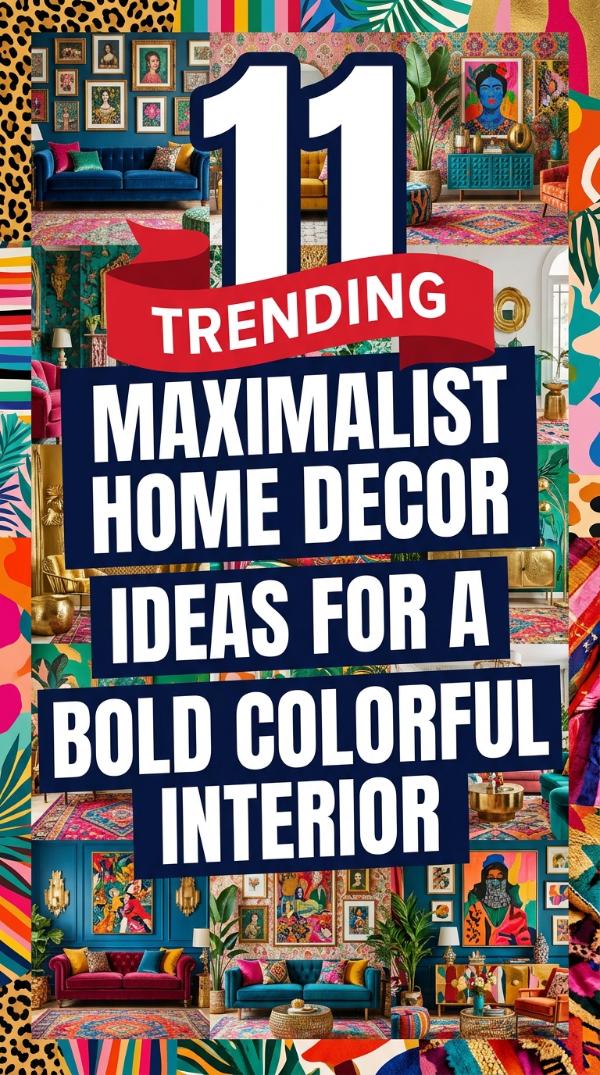
Creating a bold colorful interior doesn’t have to be overwhelming. These 11 maximalist home decor ideas will help you blend patterns and shades with total confidence.
Transform your living space into a high-energy sanctuary today. Let’s dive into the best ways to master this expressive and artistic design style right now.
1. Jewel-Toned Velvet Sofas
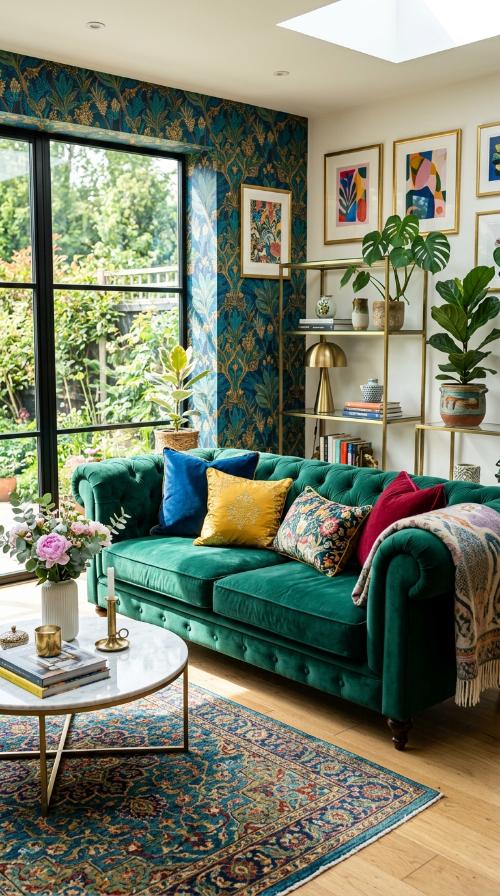
Start with a heavy-hitting anchor piece like an emerald or sapphire sofa. Velvet adds texture and depth that makes bright colors feel incredibly luxurious and inviting.
Don’t fear the clash. A rich jewel tone provides the perfect foundation for layering even more colorful pillows and throws later on in your design process.
This piece acts as a functional work of art. It instantly elevates the room while providing a cozy spot for you and your guests to relax.
2. Oversized Floral Wallpaper
Cover a focal wall with massive botanical prints. Large-scale patterns are a hallmark of maximalism, creating a dramatic backdrop that breathes life into any boring room.
Choose designs with high-contrast colors like deep navy and bright pink. This creates a visual story that draws the eye and anchors your other decor choices.
Modern peel-and-stick options make this an easy weekend project. You can achieve a high-end designer look without the permanent commitment of traditional wallpaper paste.
3. Eclectic Gallery Walls
Mix and match vintage frames with modern art prints. A floor-to-ceiling gallery wall is the ultimate expression of your personal taste and unique life experiences.
Forget about perfectly symmetrical layouts. The goal here is a curated sense of organized chaos that fills your vertical space with color and interesting textures.
Use a variety of mediums including sketches, oils, and textiles. This layering effect is exactly what makes a bold colorful interior feel warm and lived-in.
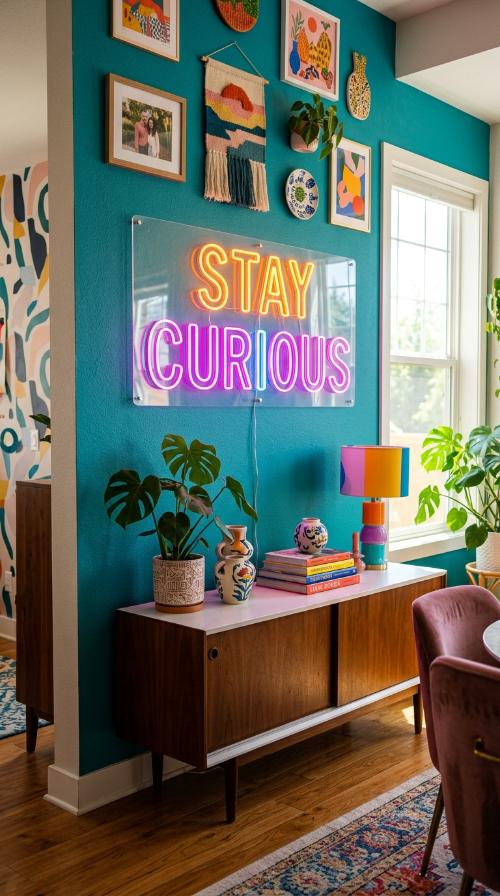
4. Glowing Neon Signs
Add a modern glow with a custom LED neon sign. These pieces bring a playful, urban energy that perfectly complements the rich textures of maximalist styling.
Choose a phrase or shape that resonates with your spirit. The bright light acts as an additional color layer, especially during the cozy evening hours.
Hang it over a piece of art or on a patterned wall. The contrast between the glowing tubes and the detailed background creates stunning visual depth.
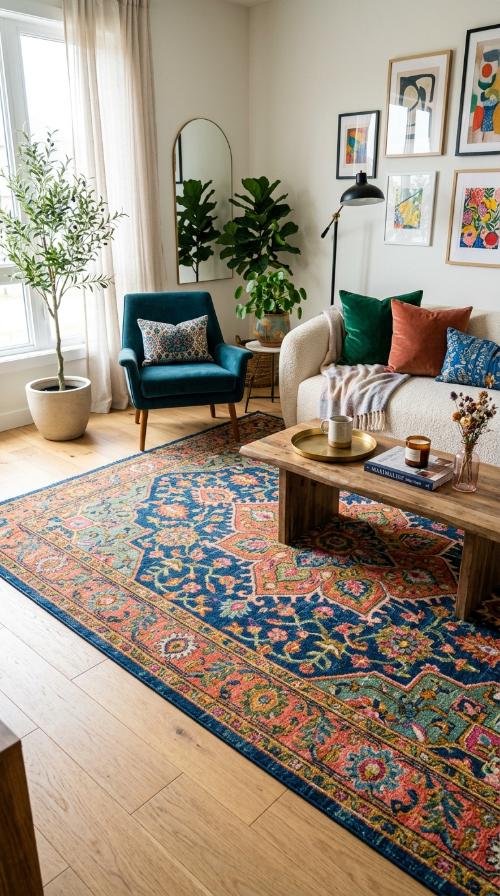
5. Patterned Area Rugs
Ground your room with a rug that features intricate designs and vivid hues. A large patterned rug ties all your disparate furniture pieces together beautifully.
Look for traditional Persian motifs or modern geometric shapes. The key is to find something that incorporates at least three colors from your existing room palette.
Rugs are the foundation of any maximalist room. They provide comfort underfoot while ensuring no square inch of your floor remains plain or uninspired.
6. Painted Ceilings
Don’t leave your ceiling white. Painting the “fifth wall” in a bold shade like terracotta or forest green creates an immersive, cocoon-like feeling in your home.
This unexpected pop of color draws the eye upward and makes the room feel more expansive. It is a bold move that defines true maximalist interiors.
Consider a high-gloss finish for extra drama. The reflective surface will bounce light around, making your colorful walls and furniture shine even brighter.
7. Clashing Patterned Throw Pillows
Throw out the rulebook and mix stripes with florals. Layering different patterns on your seating creates a rich, textured look that feels intentionally designed and cozy.
Keep a common color thread to ensure the look remains cohesive. As long as the hues harmonize, the patterns can be as wild as you like.
This is the easiest way to update your space. Swapping out covers allows you to experiment with new color combinations whenever you feel a creative spark.
8. Sculptural Colorful Lighting
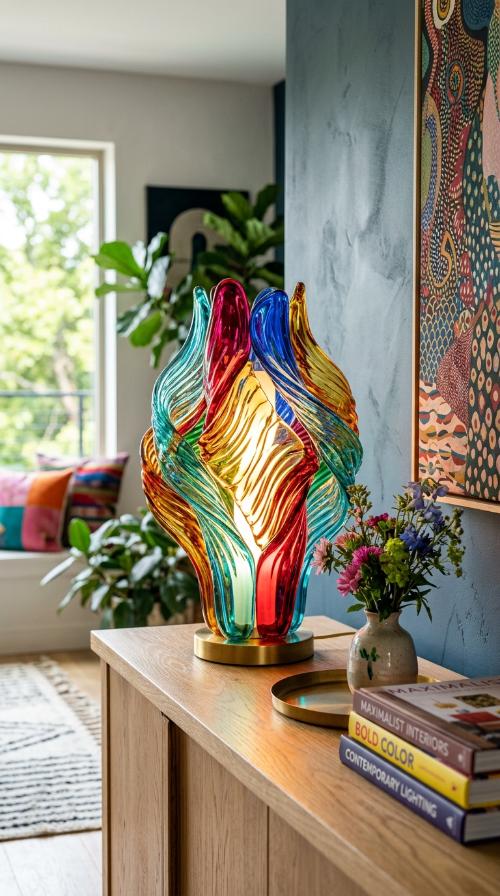
Replace basic fixtures with sculptural lighting in bright colors. A stained-glass chandelier or a painted metal pendant serves as a stunning focal point even when off.
Light filters through colored glass to cast a beautiful glow across the room. It adds an ethereal layer to your maximalist home decor for a bold colorful interior.
Choose a size that feels slightly too big for the space. In maximalism, scale is your friend, and oversized lighting makes a truly powerful design statement.
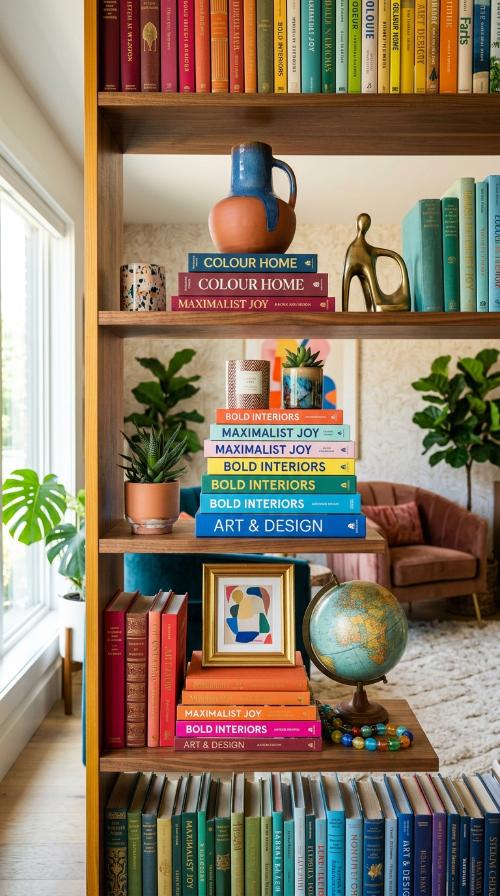
9. Stacked Bookshelf Decor
Style your shelves by color to create a rainbow effect. Mix books with small sculptures, plants, and travel souvenirs for a curated, maximalist display of memories.
Leave no shelf empty. The goal is to fill the space with items that bring you joy, creating a visual feast for anyone who enters the room.
Use decorative bookends to add even more personality. These small details contribute to the overall richness and complexity of your bold and vibrant home design.
10. Tassels and Fringed Textiles
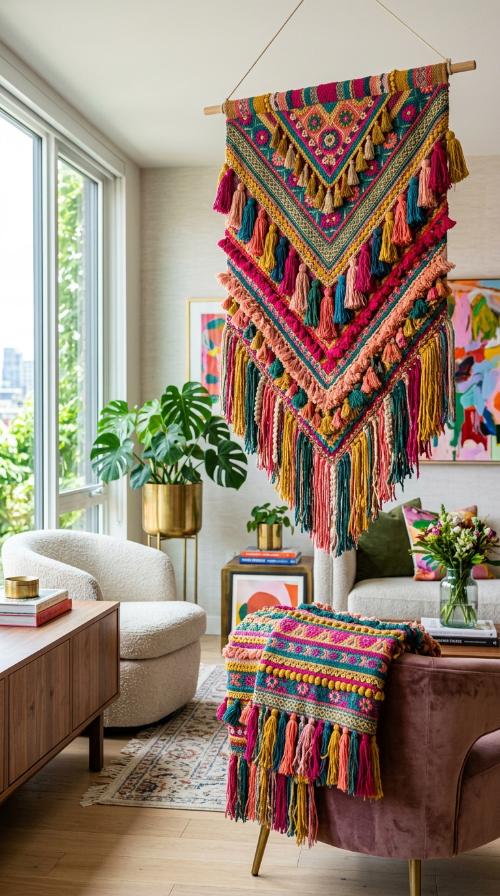
Incorporate movement with tassels and fringe. Adding these textures to curtains, pillows, or ottomans gives your room a bohemian, maximalist flair that feels incredibly sophisticated.
The extra detail provides a sense of luxury and craftsmanship. It softens the hard lines of furniture while adding another layer of tactile interest to your space.
Choose contrasting colors for the fringe to make it pop. This subtle addition makes standard pieces look like custom designer finds from an exotic market.
11. Indoor Tropical Jungle
Fill every corner with lush, leafy greens. Large tropical plants like Monstera or Birds of Paradise add natural color and organic shapes to your maximalist haven.
Use colorful ceramic pots to house your plants. This allows you to introduce even more patterns and shades while bringing the beauty of the outdoors inside.
Plants breathe life into a room literally and figuratively. They are the perfect finishing touch for a bold colorful interior that feels fresh and vibrant.
What is the main rule of maximalism?
The main rule is “more is more.” Focus on filling your space with things you love, using bold colors, and layering many different patterns and textures.
Can I do maximalism in a small apartment?
Yes, maximalism works beautifully in small spaces. It makes a room feel cozy and intentional rather than cramped, provided you keep a consistent color palette.
How do I avoid a messy look?
Avoid mess by grouping similar items together. Use trays for small objects and ensure there is a clear walking path through the room to maintain functional flow.
Should I use a neutral base color?
While not required, a neutral base can help. However, true maximalists often use a bold wall color to make their vibrant furniture and art pop even more.
What colors work best for maximalist decor?
Jewel tones like emerald, sapphire, and ruby are classic. You can also mix bright neons with deep earthy tones for a modern, high-energy take on the style.
Is maximalist decor expensive to achieve?
It doesn’t have to be. You can find incredible maximalist pieces at thrift stores, estate sales, or by simply repurposing and painting items you already own.
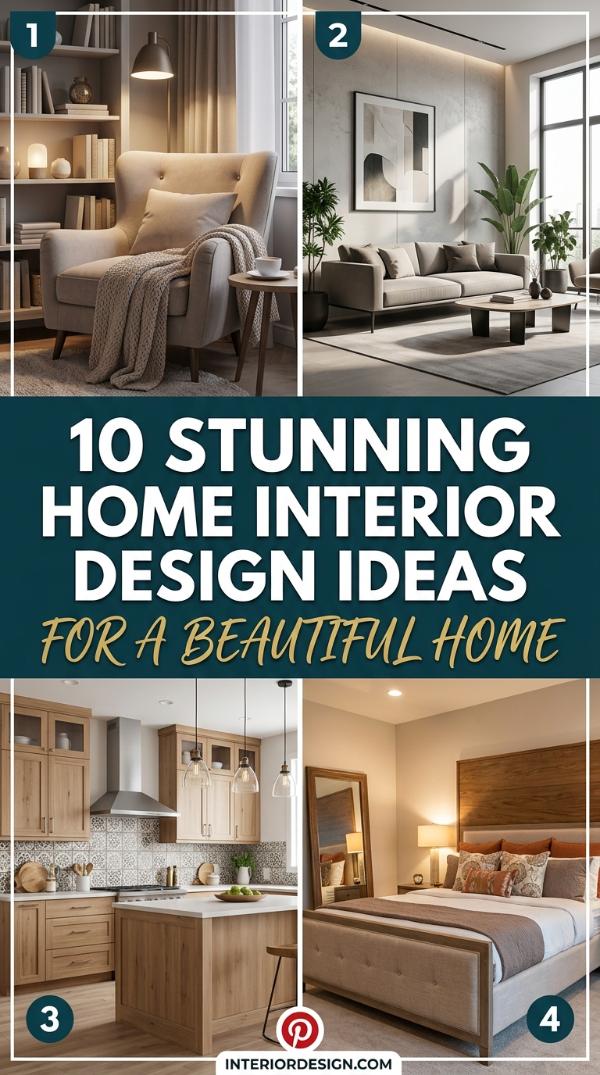
Transforming your living space is more than just a seasonal trend; it is about creating a sanctuary that truly reflects your unique personality. Many homeowners feel overwhelmed by the endless options available in modern décor, yet the right inspiration can simplify the entire process. By implementing thoughtful design strategies, you can significantly improve both the functionality and the overall mood of your environment. This guide explores 10 Stunning Home Interior Design Ideas for a Beautiful Home to help you elevate your surroundings. Whether you crave a modern look or a classic feel, these tips will encourage you to start your journey today.
1. Biophilic Design Elements
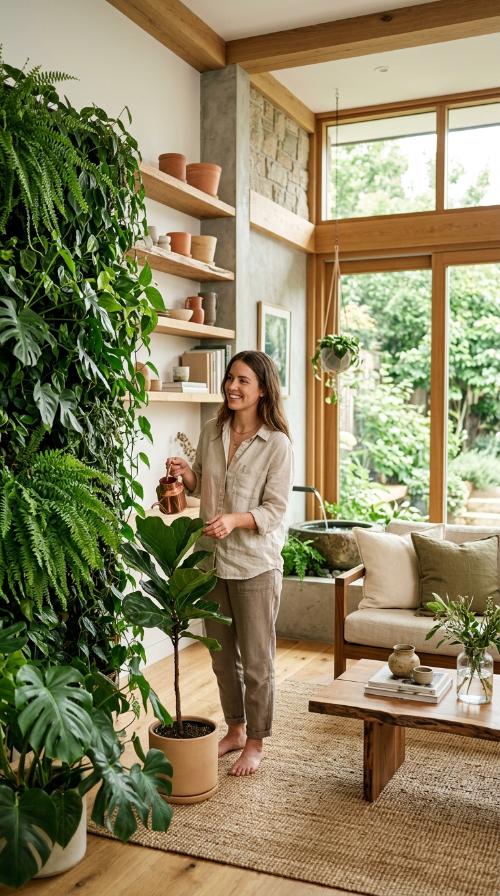
Nature-inspired design connects your indoor space with the outside world through plants and organic materials. This approach works because it reduces stress and improves air quality within your living environment. Key benefits include a more peaceful atmosphere and a timeless aesthetic that never goes out of style. It is best for those who live in urban areas and crave a touch of greenery. The practical appeal lies in how easily you can incorporate potted plants or wooden accents into any room. By focusing on life and growth, your home becomes a true sanctuary for relaxation. Every corner feels refreshed and vibrant when you embrace these natural elements in your daily life. This strategy is an essential part of 10 Stunning Home Interior Design Ideas for a Beautiful Home.
2. Minimalist Functionalism
Minimalist functionalism emphasizes the beauty of simplicity while ensuring every piece of furniture serves a clear purpose. This style works because it removes clutter, allowing the architectural features of your home to shine through. The primary benefits are increased mental clarity and a significantly easier cleaning routine for busy professionals. It is perfect for individuals who value a clean, organized lifestyle without sacrificing comfort or elegance. You can achieve this by choosing high-quality, streamlined items that offer hidden storage or dual utility. The practical outcome is a spacious, airy feel that makes even small apartments look much larger than they are. Focusing on quality over quantity ensures that your décor remains sophisticated and highly intentional at all times.
3. Bold Accent Walls
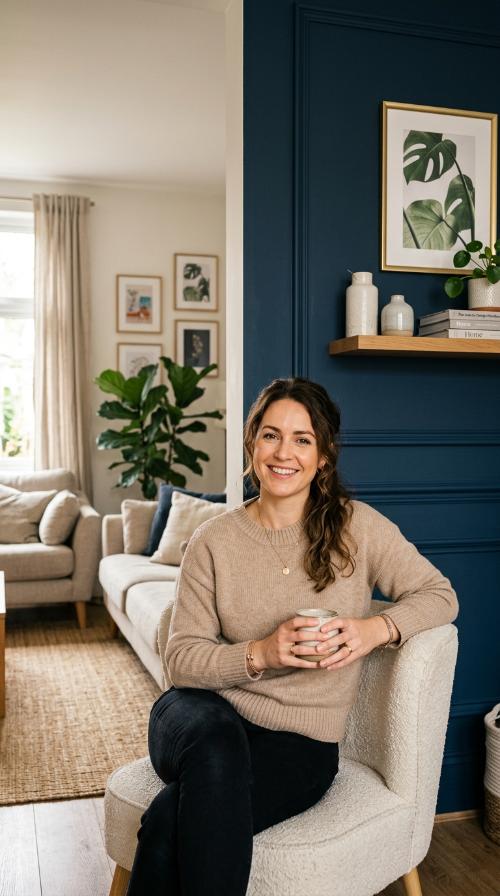
Adding a bold accent wall is one of the most effective ways to introduce personality and depth to a room. This technique works by creating a central focal point that draws the eye and anchors the entire space. Benefits include the ability to experiment with vibrant colors or intricate patterns without overwhelming the senses completely. It is best for homeowners who want to express their unique style through paint, wallpaper, or textured panels. The practical appeal is that it provides a high-impact transformation for a relatively low financial investment. You can easily update the look whenever trends change or your personal tastes evolve over the years. This method ensures your home feels customized and professionally designed with very little structural effort required.
4. Smart Lighting Solutions
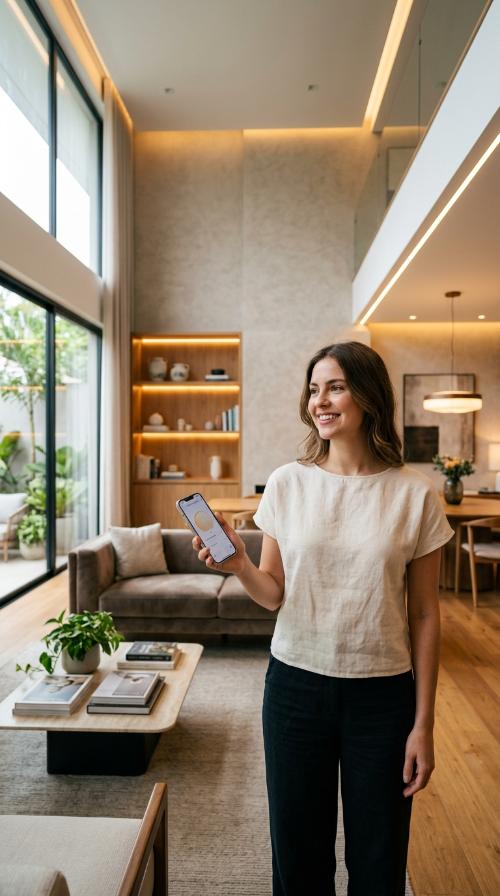
Smart lighting solutions allow you to control the mood and functionality of every room with just a simple tap. This technology works by integrating adjustable LED fixtures that can change color temperature and brightness levels throughout the day. Key benefits include improved energy efficiency and the ability to highlight specific architectural features or artwork beautifully. It is best for modern homeowners who enjoy convenience and want to automate their environment for maximum comfort. The practical appeal lies in creating scenes for different activities, such as movie nights or focused work sessions. You will find that proper illumination can make your space feel more inviting and dynamic at any hour. This layer of design adds a high-end, futuristic feel to your overall interior aesthetic.
5. Sustainable Materials
Incorporating sustainable materials into your décor is a fantastic way to support the environment while creating a healthy home. This idea works because materials like bamboo, cork, and recycled glass are both durable and visually striking in any setting. The main benefits are reduced chemical off-gassing and a lower carbon footprint for your entire renovation project. It is best for eco-conscious individuals who want their living space to reflect their personal values and ethics. The practical appeal comes from the long-lasting nature of these renewable resources, which often outlast synthetic alternatives. Choosing sustainable options creates a warm, grounded atmosphere that feels connected to the earth and its natural beauty. Your home becomes a testament to responsible living without ever compromising on modern style or luxury.
6. Mixed Textures and Layers
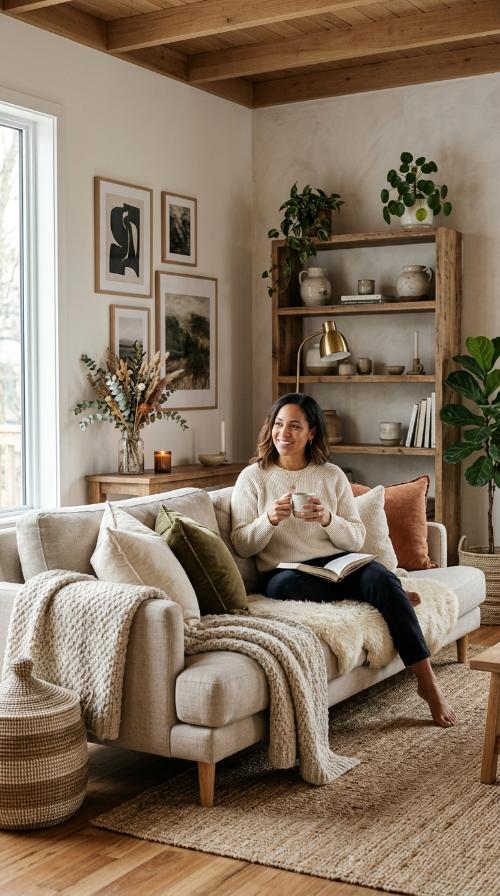
Using mixed textures and layers adds a necessary sense of warmth and complexity to any interior design scheme. This works because the contrast between soft fabrics and hard surfaces creates a multi-dimensional look that feels lived-in. Benefits include increased physical comfort and a sophisticated visual appeal that keeps the eyes moving across the room. It is best for people who want a cozy, inviting atmosphere that encourages relaxation and long social gatherings. The practical appeal lies in how easily you can swap out rugs, pillows, or throws to update your look. Layering different materials like velvet, leather, and wool ensures your space never feels flat or uninteresting to guests. This approach is a core element of 10 Stunning Home Interior Design Ideas for a Beautiful Home.
7. Open Floor Plan Flow
An open floor plan flow maximizes the available square footage by removing unnecessary barriers and heavy interior walls. This layout works because it encourages social interaction and allows natural light to penetrate deep into the home. Key benefits include a sense of boundless space and much better ventilation across different functional living zones. It is best for active families who enjoy hosting events or keeping an eye on children while cooking. The practical appeal is the versatility it offers, as you can easily redefine areas using rugs or furniture placement. Your home will feel significantly brighter and more connected when you embrace this modern architectural strategy. Creating a seamless transition between rooms makes every square inch feel purposeful and expansive.
8. Vintage and Modern Mix
Mixing vintage and modern pieces allows you to create a curated look that feels both historic and contemporary. This style works because the juxtaposition of different eras adds a unique character that cannot be found in a showroom. Benefits include a home that tells a story and the ability to showcase precious family heirlooms alongside new trends. It is best for collectors and creative individuals who want a space that is entirely one-of-a-kind. The practical appeal is the flexibility to shop at both high-end boutiques and local antique markets for treasures. By balancing sleek lines with ornate details, you achieve a timeless aesthetic that remains relevant for decades. This blend ensures your home feels personalized rather than just following a temporary catalog trend.
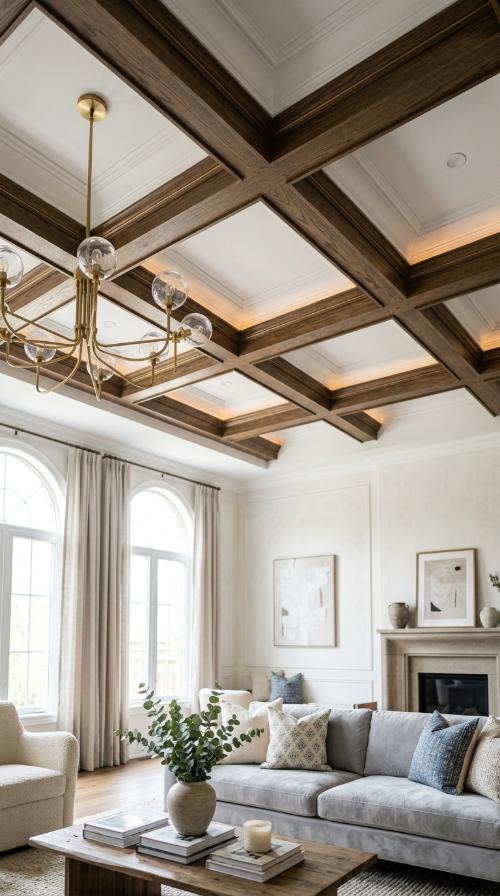
9. Statement Ceiling Details
Statement ceiling details, often called the “fifth wall,” provide an unexpected and sophisticated design element in any room. This concept works by drawing the eye upward, which can make a ceiling appear higher and the room more grand. Benefits include added architectural interest and a way to incorporate color or texture in a subtle yet powerful manner. It is best for those who want to elevate their design without cluttering the floor or wall space. The practical appeal lies in using paint, coffered molding, or even decorative wallpaper to transform a boring surface. You will notice that a well-designed ceiling completes the look of a room and adds a layer of luxury. This often-overlooked area is a secret weapon for creating a truly professional and polished interior.
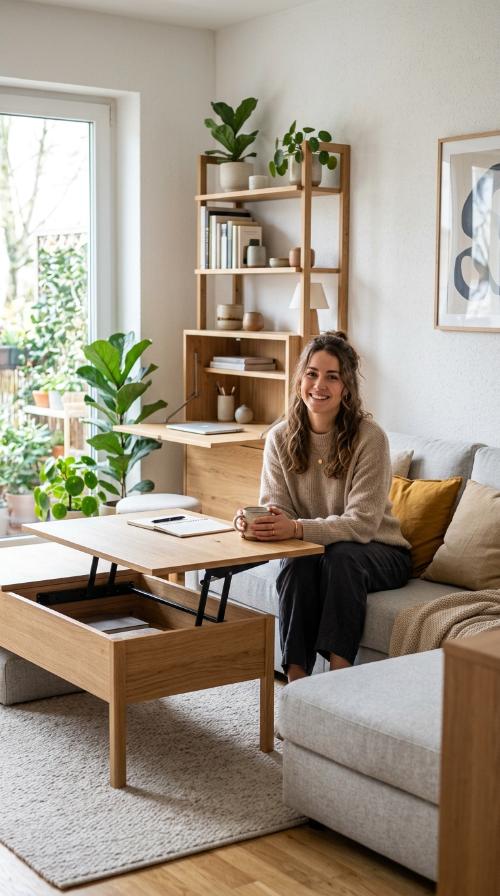
10. Multi-functional Furniture
Multi-functional furniture is a game-changer for anyone looking to maximize utility without overcrowding their beautiful living areas. This idea works by utilizing pieces like ottomans with storage, sleeper sofas, or extendable dining tables for various needs. Key benefits include a clutter-free environment and the ability to host guests in even the most compact homes. It is best for urban dwellers or those living in smaller spaces who refuse to compromise on style. The practical appeal is the efficiency these pieces provide, allowing one room to serve multiple different purposes throughout the day. Investing in versatile items ensures that your home remains adaptable to your changing lifestyle and social requirements. This final strategy is essential for achieving 10 Stunning Home Interior Design Ideas for a Beautiful Home.
How do I start a home redesign?
Begin by decluttering your space and identifying the specific functional needs of each room before choosing a style. Setting a realistic budget and creating a mood board can also help you stay focused during the creative process.
Are these design ideas expensive to implement?
Not necessarily, as many ideas like bold accent walls or mixing vintage pieces can be done on a very modest budget. Focus on small, high-impact changes first to see a significant transformation without overspending your savings.
Can I mix different interior design styles?
Yes, mixing styles like vintage and modern is actually encouraged to create a space that feels curated and unique to you. The key is to find a common color palette or texture that ties the different elements together harmoniously.
What is the best color for a small room?
Light and neutral colors like soft white, light gray, or pale beige are generally best because they reflect more natural light. These shades help the walls recede, making the room feel much airier and more spacious than it actually is.
How can I make my home feel more luxurious?
Adding statement lighting, high-quality textiles, and keeping surfaces organized are the fastest ways to create a high-end, luxurious feeling. Even small touches like fresh flowers or elegant hardware on cabinets can make a massive difference in perception.
Is biophilic design hard to maintain?
It can be very easy if you choose low-maintenance indoor plants like snake plants or pothos that require minimal watering. If you prefer not to use live plants, incorporating natural wood, stone, and sunlight provides similar biophilic benefits.
An aesthetic study room is more than just a room with pretty furniture. It is a space that feels calm, organized, comfortable, and personal. When your surroundings look good and everything has a purpose, sitting down to study can feel much easier.
You don’t need a huge room or an expensive makeover to create an aesthetic study space. A simple desk, comfortable chair, good lighting, a few plants, and carefully chosen decorations can completely change the atmosphere.
The key is to create a room that looks beautiful without making it difficult to study. Too many decorations can become distracting, while a completely empty room may feel cold. The best aesthetic study room sits somewhere in the middle.
What Makes a Study Room Look Aesthetic?
An aesthetic study room usually has a clear visual style. It may use soft colors, natural materials, warm lighting, plants, artwork, or simple furniture.
Before buying anything, choose the feeling you want. Do you want your room to feel cozy and warm? Clean and minimalist? Creative and colorful? Or natural and peaceful?
Once you choose a style, it becomes much easier to select furniture and decorations that work together.
A simple color palette can also make a big difference.
Study Room Style
Main Colors
Best Features
Minimalist
White, gray, black
Clean furniture and open space
Cozy
Beige, cream, brown
Warm lighting and soft textures
Scandinavian
White, light wood, green
Simple furniture and natural elements
Modern
Black, white, gray
Sleek furniture and smart lighting
Nature-Inspired
Green, beige, brown
Plants and wooden accessories
Colorful
Pastel or bright accents
Artwork and creative accessories
How Can You Choose the Right Color Palette?
Start with two or three main colors instead of using too many shades. For example, white walls with light wood furniture and green plants can create a calm and natural look.
If you prefer a cozy room, cream, beige, warm brown, and soft white can work beautifully. For a modern study room, black, white, and gray create a simple and clean appearance.
You can add one accent color through cushions, artwork, stationery, rugs, or small decorations.
The goal isn’t to make everything the same color. Instead, choose colors that look comfortable together.
How Can You Create a Minimalist Aesthetic Study Room?
A minimalist study room focuses on keeping things simple. Start by removing items you rarely use. Keep your desk clear and store stationery, books, and electronics that aren’t needed at the moment.
Choose furniture with simple shapes and avoid unnecessary decorative details. A clean desk, comfortable chair, small lamp, and one or two decorative objects may be enough.
Storage is especially important in a minimalist room. Use drawers, boxes, baskets, or shelves to keep everyday items organized.
A minimalist room should not feel empty. It should feel intentional.
How Can You Make a Cozy Aesthetic Study Room?
If you want your study room to feel warm and relaxing, focus on lighting and texture.
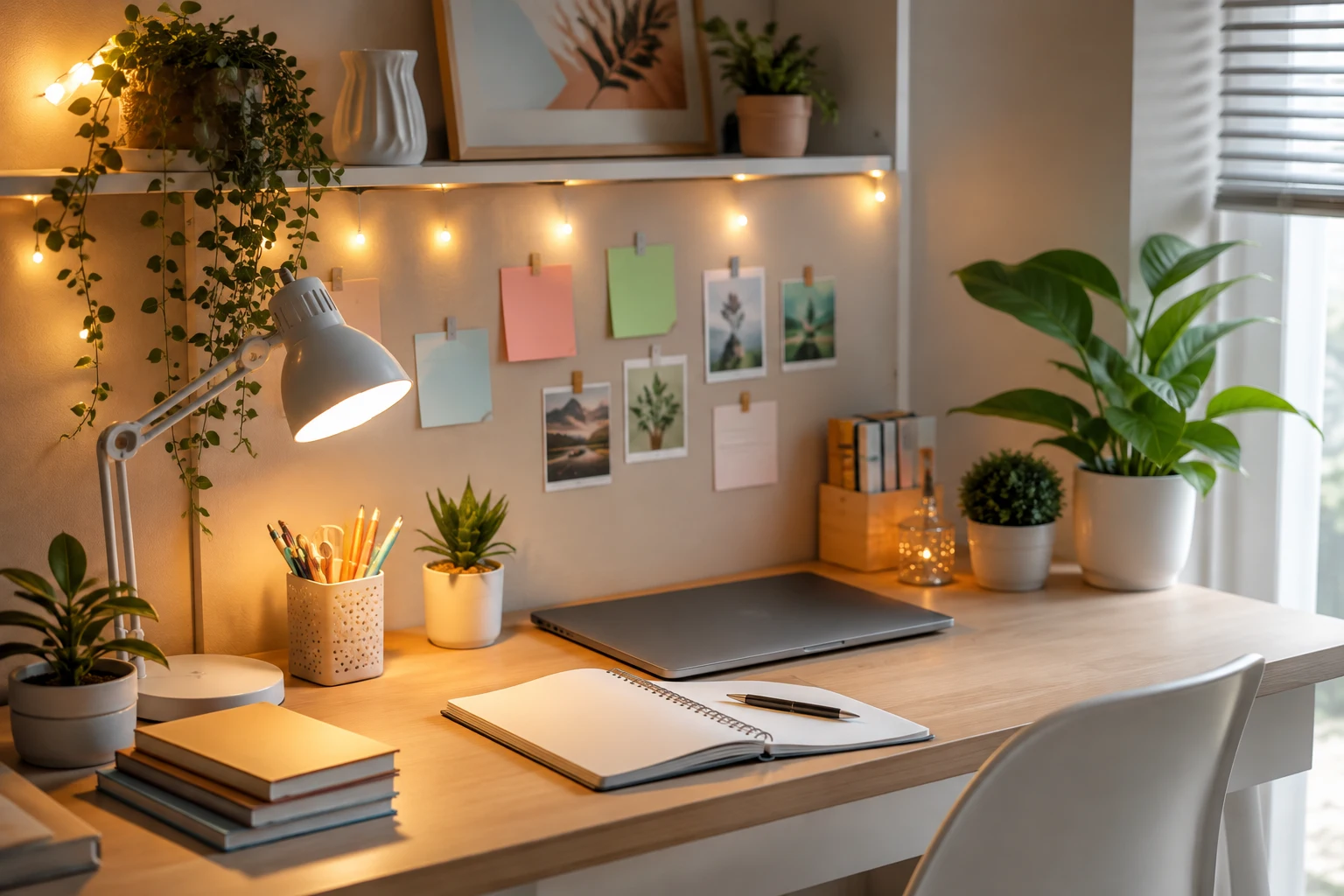
A warm desk lamp can create a softer atmosphere than a bright overhead light. Add a small rug, comfortable chair cushion, blanket, or fabric accessories to make the room feel more inviting.
Wooden furniture also works well in cozy spaces. Combine it with cream, beige, brown, or muted green accessories.
A few personal items, such as photographs or favorite books, can make the room feel less like an office and more like your own comfortable corner.
What Kind of Desk Works Best in an Aesthetic Study Room?
Your desk is usually the main feature of a study room, so choose one that matches the room’s style.
A simple wooden desk works well for Scandinavian, natural, and cozy rooms. A white desk can make a small room feel bright. A black or dark desk can create a modern and dramatic look.
Most importantly, choose a desk that gives you enough space for your everyday work.
If you use a laptop, notebooks, books, and a desk lamp, make sure there is enough surface area to use them comfortably.
How Can You Decorate the Study Desk?
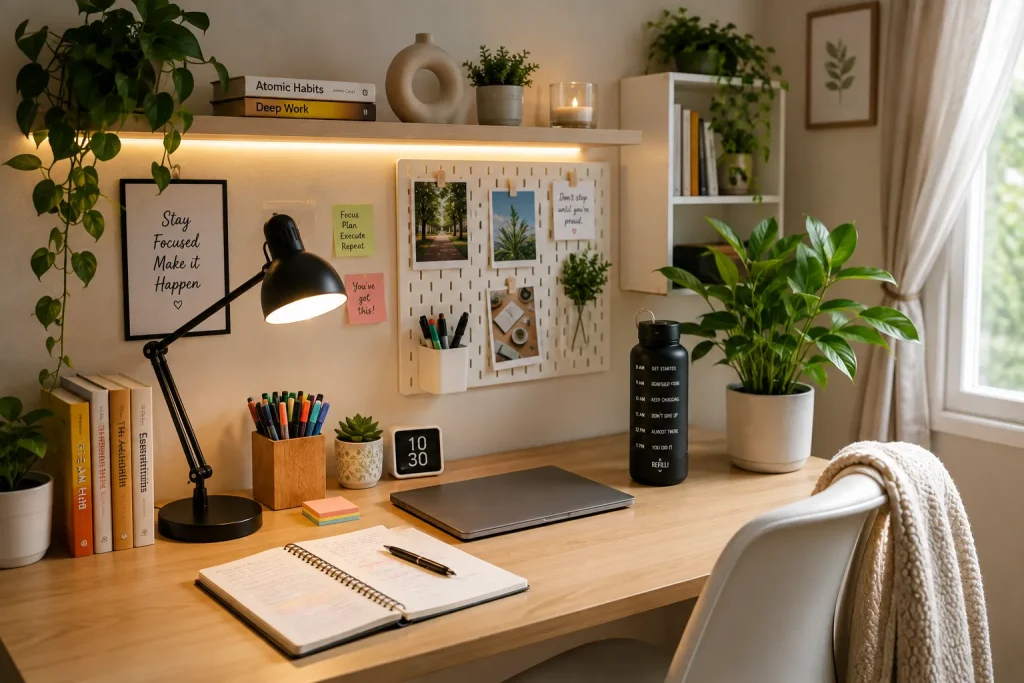
Keep desk decoration simple. A small plant, desk lamp, pen holder, notebook, and decorative tray can be enough.
You can also add a desk mat to create a more organized visual area. If you work on a computer, keep the keyboard, mouse, and cables arranged neatly.
Avoid filling every empty corner with decorations. Leaving some empty space makes the desk look cleaner and gives you room to work.
How Can Lighting Make a Study Room More Aesthetic?
Lighting can completely change the mood of a study room.
Use a combination of general lighting and task lighting. A ceiling light can illuminate the whole room, while a desk lamp provides focused light for reading and writing.
Floor lamps can add another layer of light and also become decorative features.
For a cozy aesthetic, warm lighting can create a relaxed feeling. For detailed work and studying, choose lighting that provides enough brightness without causing glare or discomfort.
Can Plants Make a Study Room Look Better?
Yes. Plants are one of the easiest ways to add color and life to a study room.
A small plant on the desk can work well if you have enough space. Larger plants can be placed beside the desk or in an empty corner.
Pothos, snake plants, and other relatively low-maintenance indoor plants are popular choices. If your room doesn’t receive enough natural light, choose plants according to the actual lighting conditions or use a realistic artificial plant.
Don’t add plants simply because they look good online. Choose plants that fit the amount of light and care you can provide.
How Can You Decorate the Walls?
The walls around your desk provide valuable decorating space without taking up your working surface.
You can use:
Framed artwork
Photographs
Posters
A pinboard
A calendar
Floating shelves where appropriate
Wall grids
Tapestries
Removable wall decor
Create a simple arrangement instead of randomly placing items everywhere.
If you rent your home, be careful with nails, screws, and adhesives. Check your lease and use suitable removable solutions when possible.
How Can You Create an Aesthetic Gallery Wall?
A gallery wall can become the main visual feature behind your desk.
Choose artwork that shares at least one color or visual theme. You could combine photographs, illustrations, typography, and small prints.
Before putting anything on the wall, arrange the pieces on the floor. This allows you to experiment with different layouts.
For a smaller room, don’t make the gallery wall too large. A small, balanced arrangement can have plenty of impact.
How Can You Use a Pinboard for Both Decor and Organization?
A pinboard can be attractive and practical at the same time.
Use it to display:
Study schedules
Important reminders
Small photographs
Inspirational images
To-do lists
Calendar notes
Personal goals
The trick is to avoid letting it become a collection of random papers. Remove old notes regularly and keep the board visually organized.
What Furniture Should You Add to an Aesthetic Study Room?
Start with the essentials:
Study desk
Comfortable chair
Storage
Lighting
After that, add furniture only when the room needs it.
A small bookshelf can be useful for students and readers. A narrow drawer unit can provide additional storage without taking much floor space. A comfortable lounge chair can work well in a larger study room.
Always consider the room’s size before buying furniture. A beautiful piece can make a small room feel crowded if it is too large.
How Can You Make a Small Study Room Look Aesthetic?
Small rooms benefit from simple design choices.
Use furniture that fits the room instead of trying to fill every available area. Choose vertical storage when possible, and keep the floor relatively clear.
Mirrors can help reflect light and create a feeling of openness. Light-colored walls and furniture can also make the room feel brighter.
Use the wall above the desk for storage and decoration rather than adding too many items to the floor.
Most importantly, keep clutter under control. In a small room, even a few misplaced items can make the entire space feel messy.
How Can You Create an Aesthetic Study Room on a Budget?
You don’t need to replace everything.
Start with the things you already own. Rearrange the furniture, clean the desk, organize your books, hide visible cables, and remove unnecessary objects.
Then spend your budget on a few high-impact improvements.
Budget
Good Upgrades
Under $25
Plant, desk organizer, small artwork
$25–$50
Desk lamp, desk mat, decorative storage
$50–$100
Rug, better lighting, wall decor
$100+
Chair, bookshelf, larger rug, upgraded desk
A few thoughtful changes can have more visual impact than buying lots of inexpensive decorations.
What Are the Best Aesthetic Study Room Accessories?
Some accessories can improve both appearance and functionality.
Good options include:
Desk lamp
Desk mat
Pen holder
Small plant
Books
Decorative tray
Storage baskets
Wall clock
Artwork
Photo frames
Small speakers
Cable organizers
Calendar
Rug
Choose accessories based on how you use the room. A study room shouldn’t become a showroom where you are afraid to touch anything.
How Can You Hide Cables?
Visible cables can make an otherwise beautiful study setup look messy.
Use cable clips, cable sleeves, or simple cable management boxes to keep wires together. Route them toward the back of the desk whenever possible.
If you use several devices, label the cables so you can identify them easily.
Good cable management is one of those small details that makes a study room look much more polished.
How Can You Make an Aesthetic Study Room More Comfortable?
A beautiful room isn’t enough if you don’t feel comfortable sitting there.
Pay attention to your chair, desk height, lighting, temperature, and overall organization. Keep frequently used items within easy reach.
If you study for long periods, your workspace should support comfortable posture and regular breaks.
Add soft elements such as a rug or cushion if they make the space more comfortable, but don’t let comfort accessories create clutter.
How Can You Create a Nature-Inspired Study Room?
A nature-inspired study room can feel calm and refreshing.
Use light or medium wood furniture, green plants, natural-looking baskets, neutral fabrics, and earthy colors.
You can also add botanical artwork or nature photography.
This style works particularly well when you want your study room to feel peaceful rather than highly technical.
How Can You Create a Modern Study Room?
For a modern aesthetic, focus on clean lines and simple shapes.
A streamlined desk, ergonomic chair, minimal accessories, good cable management, and layered lighting can create a polished appearance.
Black, white, gray, and natural wood are easy colors to combine.
If you use a computer setup, keep the technology organized rather than hiding everything. A neat monitor, keyboard, mouse, and speakers can become part of the room’s design.
What Are Common Aesthetic Study Room Mistakes?
One common mistake is adding too many decorations.
A room may look beautiful in photographs when every surface is decorated, but excessive objects can make your actual study experience distracting.
Another mistake is choosing appearance over comfort. A stylish chair that becomes uncomfortable after 20 minutes isn’t a good study chair.
Other common mistakes include poor lighting, oversized furniture, messy cables, too many colors, and insufficient storage.
The best aesthetic room is one that looks good and works well for your daily life.
How Can You Keep an Aesthetic Study Room Organized?
Create a simple daily reset routine.
At the end of your study session, return books to their place, put stationery back into the organizer, remove cups or food containers, and clear unnecessary papers from the desk.
Once everything has a designated place, organization becomes much easier.
You don’t need to spend an hour cleaning every day. A few minutes of regular organization can keep the room looking good.
What Is the Best Aesthetic Study Room Style?
There isn’t one style that is best for everyone. The right style depends on your personality, room size, budget, and how you use the space.
For most people, a simple minimalist or cozy study room offers the best balance. Start with functional furniture, good lighting, organized storage, a small amount of greenery, and a few personal decorations.
Don’t try to copy an entire room from Pinterest or Instagram. Take the ideas you like and adapt them to your own space.
Your study room should ultimately be a place where you feel comfortable sitting down, opening your book or laptop, and getting started.
Aesthetic design is not about having the most decorations. It’s about creating a space that feels organized, comfortable, personal, and inspiring. Even a small desk in a small room can become a beautiful study corner when every piece has a purpose.
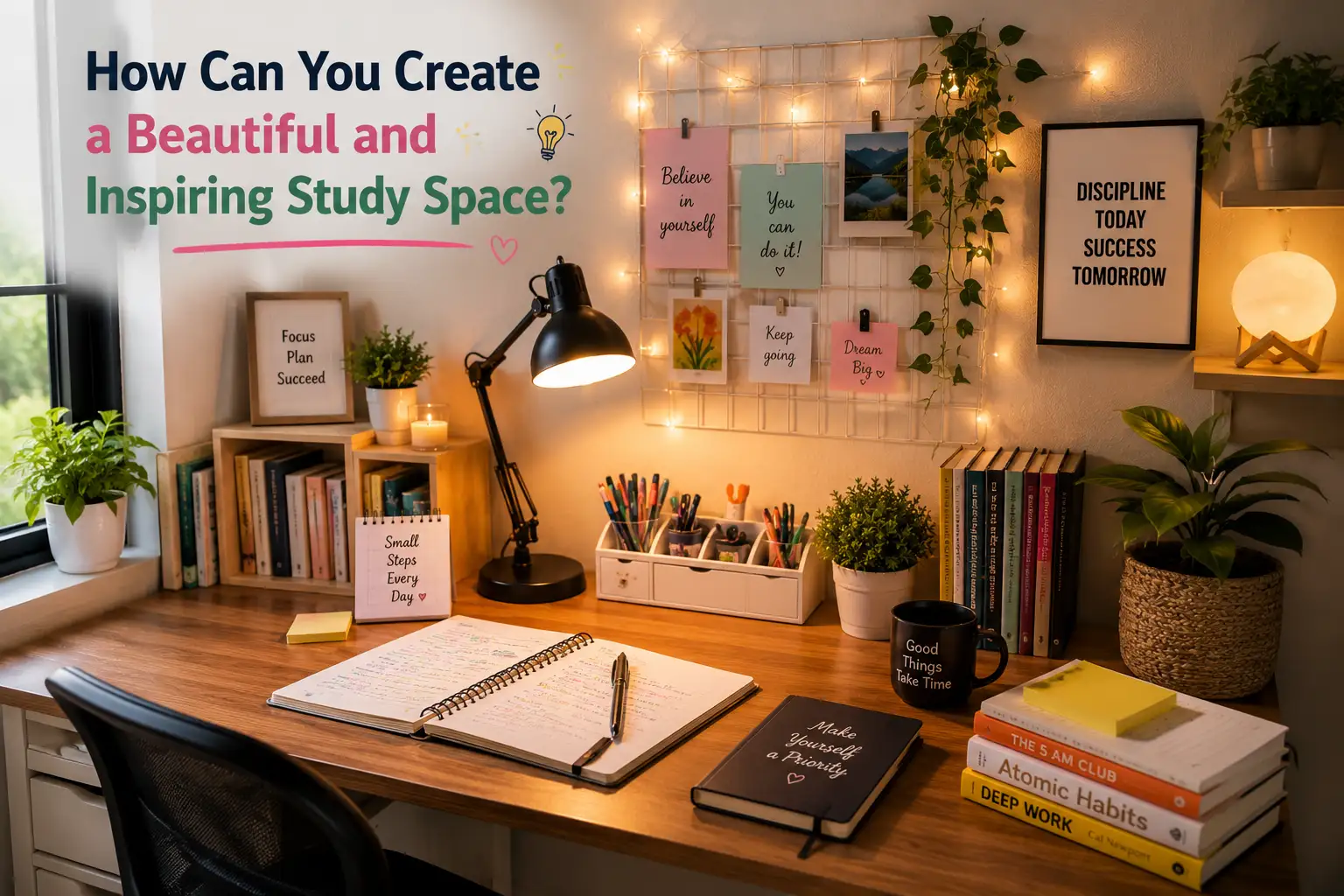
Your study table doesn’t have to look boring just because it is a place for work or study. A few simple changes can make it feel cleaner, more comfortable, and more inspiring. The best part is that you don’t need a large budget or a big room to create a beautiful study corner.
Start by keeping the table simple. Remove things you don’t use every day and keep only the essentials, such as your laptop, books, notebooks, pens, and a small lamp. Once the basic setup is clean, you can add a few decorative pieces that match your style.
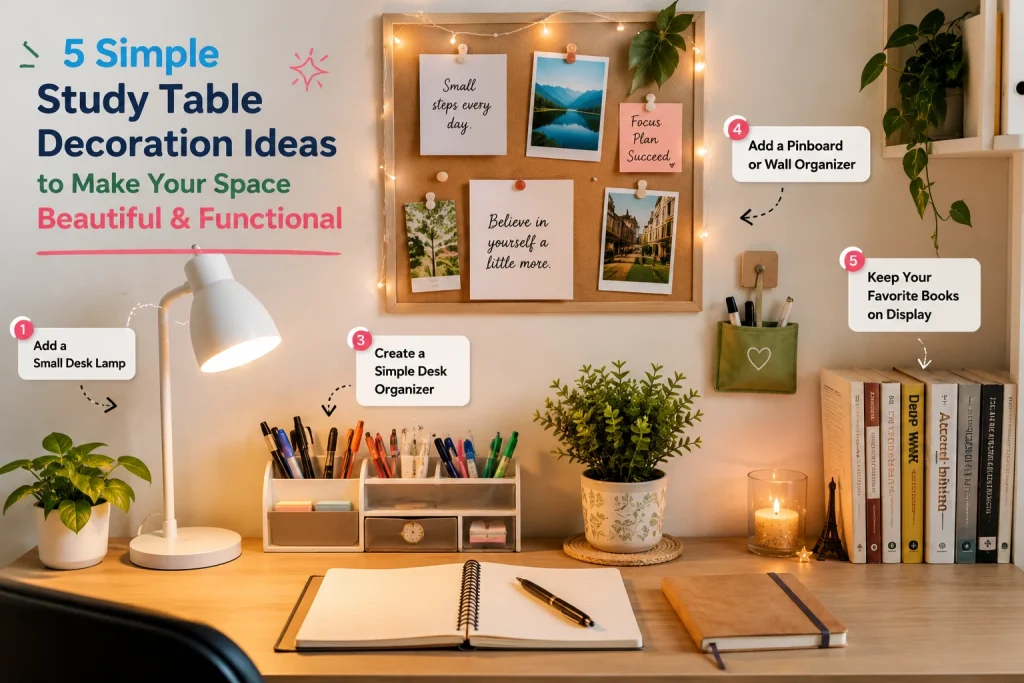
1. Add a Small Desk Lamp
A desk lamp is one of the easiest ways to improve both the look and usefulness of your study table. Choose a lamp with a simple design if you prefer a clean, modern setup. A warm light can make the space feel cozy, while a brighter neutral light can work well when you’re reading or working for long hours.
If your table is small, choose a compact lamp that doesn’t take up too much space. A flexible or adjustable lamp can be even more useful because you can direct the light exactly where you need it.
2. Use a Small Plant for a Fresh Look
A little greenery can make a study table feel much more alive. You don’t need a large indoor plant. A small pothos, succulent, snake plant, or artificial plant can work beautifully.
Place the plant in one corner of the desk so it doesn’t interfere with your workspace. If you don’t have much natural light, choose a low-maintenance plant or a good-quality artificial one.
3. Create a Simple Desk Organizer
Pens, pencils, markers, scissors, and other small items can quickly make a study table look messy. A desk organizer gives everything a proper place.
You can use a ready-made organizer or create a simple DIY version using small boxes, jars, or containers. Choose one that matches the color and style of your room.
4. Add a Pinboard or Wall Organizer
If you don’t have enough space on your table, use the wall above it. A pinboard can hold notes, reminders, photographs, small artwork, and inspirational quotes without taking up desk space.
For a rental apartment, consider removable or damage-free hanging options where suitable. Always check the weight limit and surface compatibility before installing anything.
5. Keep Your Favorite Books on Display
Books can become part of your study table decoration instead of simply being something you need for studying. Stack two or three attractive books horizontally and place a small decorative object or plant on top.
Don’t create a huge stack, though. Too many books can make the table feel crowded and make everyday studying less convenient.
6. Add a Minimal Desk Clock
A small desk clock can add a classic touch while also helping you stay aware of time. Choose a simple digital or analog design that doesn’t compete with the rest of your setup.
If you already use your phone or computer for time management, the clock can simply be a decorative element. A neutral color usually works well with most study table designs.
7. Use a Desk Mat
A desk mat is a simple upgrade that can make the entire table look more organized. It also creates a visual boundary for your keyboard, mouse, notebook, or other everyday items.
For a modern setup, try a plain black, beige, gray, brown, or muted color. If your room has a playful style, you can choose a patterned mat instead.
8. Decorate With Photos
A few personal photographs can make your study corner feel more like your own space. You could display a family photo, travel memory, favorite place, or picture with friends.
Keep the number of photos limited. Two or three well-placed pictures often look better than covering the entire table with frames.
9. Choose a Simple Color Theme
One of the easiest ways to make a study table look professionally decorated is to follow a small color palette.
For example:
Style
Suggested Colors
Minimalist
White, gray, black
Warm & Cozy
Beige, cream, brown
Modern
Black, white, wood
Natural
Green, beige, light wood
Soft & Calm
White, pastel blue, cream
Creative
White with colorful accents
Try to repeat the same colors in your lamp, organizer, stationery, plant pot, and other accessories. This creates a more connected look.
10. Add a Small Wall Shelf
If you have enough wall space, a small shelf above the desk can provide both storage and decoration. You can use it for books, plants, small frames, candles, or decorative objects.
However, renters should be careful with wall-mounted shelves because installation may require drilling. If you’re renting, check your lease or ask the landlord before making permanent changes.
11. Try a Cozy Scandinavian-Style Setup
If you like simple and peaceful interiors, a Scandinavian-inspired study table can be a great choice. Use light wood, white or cream accessories, soft lighting, and a small green plant.
The goal is to keep the table visually light. Instead of filling every empty space, allow some areas to remain completely clear.
12. Create a Modern Minimalist Study Table
A minimalist desk focuses on function first. Keep only the things you actually use.
A laptop, desk lamp, notebook, pen holder, and small plant may be enough. Hide cables where possible and avoid collecting too many decorative items.
This style works especially well in small apartments because the table won’t make the room feel crowded.
13. Use Cable Management
Messy cables can ruin even a beautiful study table. Use simple cable clips, sleeves, or organizers to keep charging cables and computer wires under control.
Try to route cables toward the back or side of the desk instead of allowing them to spread across the workspace. A clean cable setup can make a surprisingly big difference.
14. Add a Small Decorative Tray
A tray can keep small objects together while making the desk look more intentional. You can place your watch, keys, glasses, sticky notes, or other small items inside it.
Choose a tray that fits the overall style of your room. A wooden tray works well for warm and natural interiors, while a simple metal or acrylic tray can suit a modern setup.
15. Use Inspirational Quotes Carefully
A motivational quote can add personality to your study space, especially if you’re preparing for exams or working toward a goal.
Instead of covering the wall with many quotes, choose one that genuinely means something to you. Frame it or place it on a small card stand.
A simple message can have more impact than a wall full of text.
16. Add Soft Textures
If your study corner feels too plain, introduce texture through small accessories. A fabric chair cushion, woven basket, wooden organizer, or textured desk mat can make the area feel warmer.
You don’t need to add many different materials. Two or three complementary textures are usually enough.
17. Make the Chair Part of the Decor
Don’t forget about the chair. Since it is one of the largest pieces around your study table, it can strongly affect the overall appearance.
Choose a comfortable chair that works with the table and room. If you already have a basic chair, you can improve its appearance with a simple cushion or seat cover.
Comfort should always come before decoration. A beautiful chair isn’t useful if you can’t sit comfortably while studying.
18. Keep the Table Clutter-Free
Perhaps the most important study table decoration idea is also the simplest: don’t overcrowd the table.
Decorative items are useful only when they don’t interfere with your work. Before adding something, ask yourself:
“Will this make my study space better, or will it simply take up space?”
If you use the table every day, functionality should always come first.
What Is the Best Way to Decorate a Study Table?
The best approach is to combine function, comfort, and personality. Start with a clean table, add good lighting, organize your stationery, and then introduce a few decorative elements such as a plant, photo, desk mat, or small artwork.
You don’t need expensive furniture or dozens of accessories. A simple study table with a consistent color palette and good organization can look much better than an expensive setup filled with unnecessary objects.
For most people, a minimalist setup with warm lighting, one small plant, an organizer, a desk mat, and a few personal touches offers the best balance between beauty and practicality.
A study table should ultimately make you want to sit down and get started. When everything has its place and the space feels comfortable, studying or working can become a much more enjoyable part of your day.
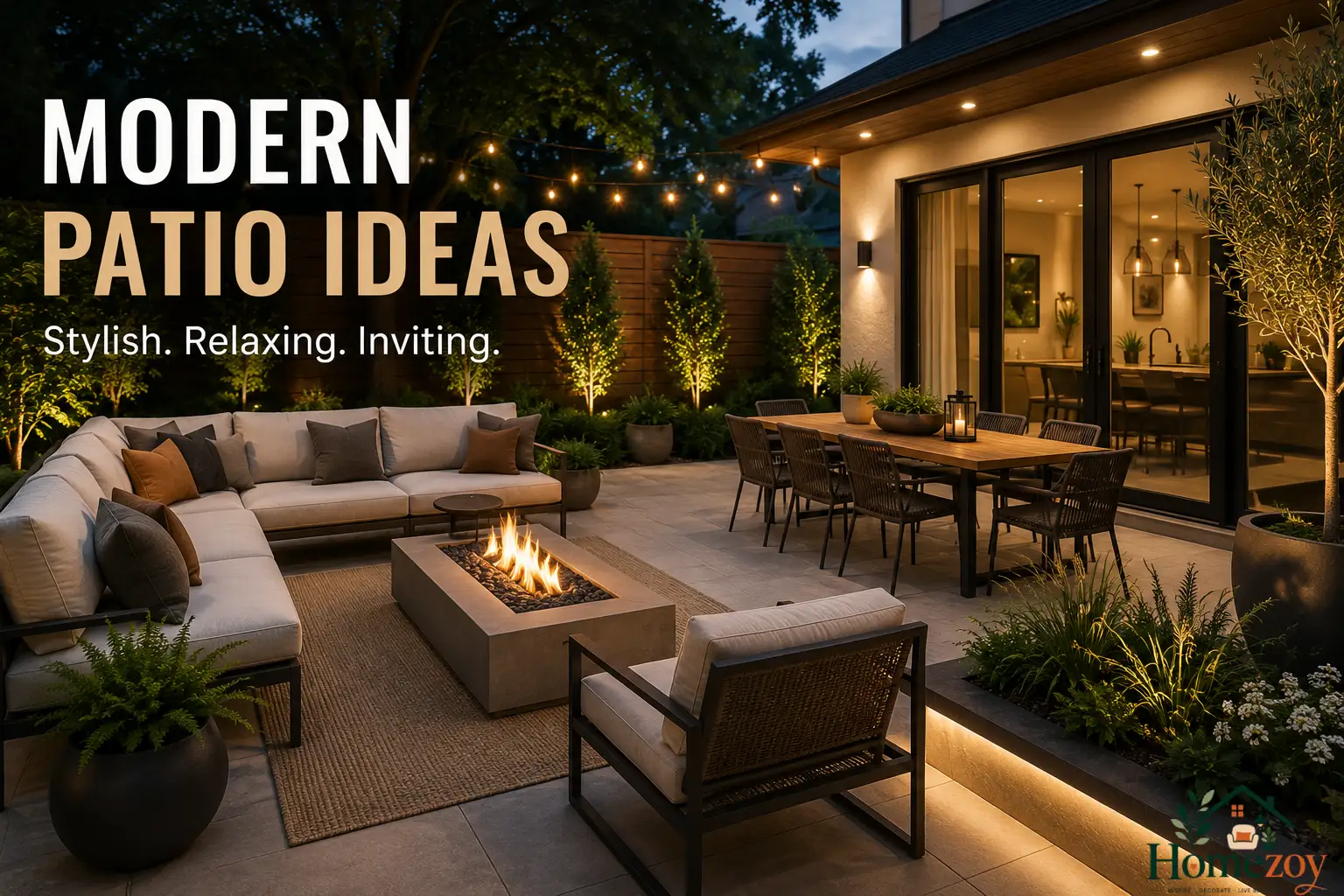
A well-designed patio can turn an ordinary backyard into a comfortable and inviting outdoor living space. Whether you have a large backyard or a small outdoor area, the right modern patio ideas can help you create a stylish place for relaxing, dining, entertaining, and enjoying time with family.
From comfortable outdoor seating and warm lighting to natural greenery and contemporary furniture, there are many ways to create a beautiful modern patio that matches your home’s style.
1. Create a Comfortable Outdoor Seating Area
One of the most important elements of a modern patio is comfortable outdoor seating. Consider using a modular outdoor sofa, lounge chairs, or a combination of seating options around a coffee table.
Choose weather-resistant materials and neutral colors to create a clean and timeless look.
2. Add Warm Outdoor Lighting
Good outdoor lighting can completely change the atmosphere of your patio after sunset. Use wall sconces, recessed lights, pathway lighting, or warm string lights to create a cozy environment.
For a modern look, choose simple fixtures with clean lines that complement your home’s architecture.
3. Use Natural Greenery
Plants are an easy way to make a modern backyard feel more welcoming. Large planters, ornamental grasses, small trees, and evergreen plants can add texture and privacy without making the space feel crowded.
Use simple ceramic, concrete, or stone planters for a contemporary patio design.
4. Design a Stylish Outdoor Dining Area
If you enjoy eating outdoors, create a dedicated dining zone with a modern table and comfortable chairs. A wooden or metal dining set can become the centerpiece of your patio decor.
Add pendant-style outdoor lights above the table to make evening meals feel more inviting.
5. Add a Modern Fire Pit
A fire pit can become a natural gathering point for your patio. Place comfortable chairs around it and leave enough space for people to move around easily.
For a contemporary patio, consider a simple concrete or stone fire pit with a minimal design.
6. Choose a Neutral Color Palette
Neutral colors work especially well for modern patio ideas. Shades of beige, white, gray, charcoal, and natural wood can create a sophisticated outdoor environment.
You can introduce personality through cushions, rugs, plants, and decorative accessories.
7. Use Wood for Warmth
Natural wood can soften the clean lines often found in modern patio design. Wooden decking, privacy screens, furniture, or accent walls can add warmth while maintaining a contemporary appearance.
Combine wood with concrete, stone, or black metal for a balanced look.
8. Create Privacy With Plants and Screens
Privacy is important when designing an outdoor living space. Tall plants, bamboo, privacy screens, fences, and vertical gardens can help create a more secluded patio.
A dark wood or black metal privacy screen can also become an attractive feature of your backyard patio ideas.
9. Add an Outdoor Rug
An outdoor rug can visually define your seating area and make the patio feel more like an extension of your indoor living room.
Choose a durable, weather-resistant rug with a simple pattern that complements your existing patio decor.
10. Make the Patio an Extension of Your Home
One of the best approaches to modern outdoor design is to make the patio feel connected to the interior. Large sliding glass doors, matching flooring tones, and similar furniture colors can create a seamless transition.
This approach works particularly well for homes with open-plan living areas.
11. Use Built-In Seating
Built-in benches are a smart option for both large and small patios. They provide plenty of seating without taking up as much space as individual chairs.
Add cushions and pillows for comfort while keeping the overall design clean.
12. Add a Small Water Feature
A small fountain or modern water feature can bring a calming atmosphere to your modern backyard. Simple geometric designs work particularly well with contemporary homes.
The sound of flowing water can also make the patio feel more peaceful and relaxing.
13. Create Zones for Different Activities
Large patios can benefit from separate zones. For example, you could create one area for dining, another for lounging, and a smaller corner for plants or a fire pit.
This makes the entire outdoor living space more functional and organized.
14. Keep the Design Simple
Modern design is often about simplicity. Avoid filling the patio with too many decorative pieces. Instead, choose a few high-quality furniture pieces, attractive plants, and carefully selected lighting.
A simple contemporary patio can often look more elegant than a space filled with unnecessary accessories.
15. Add Your Personal Style
Finally, don’t be afraid to personalize your patio. Add cushions, lanterns, planters, artwork, or other accessories that reflect your taste.
The best patio inspiration comes from combining practical design with elements that make the space feel like your own.
Final Thoughts
A beautiful modern patio doesn’t have to be complicated or expensive. With comfortable seating, thoughtful patio decor, natural greenery, warm outdoor lighting, and a well-planned layout, you can transform your backyard into a stylish and comfortable retreat.
Whether you’re planning a complete backyard makeover or simply looking for a few modern patio ideas, small changes can make a big difference. Focus on comfort, functionality, and a cohesive design to create an outdoor space you’ll enjoy throughout the year.