
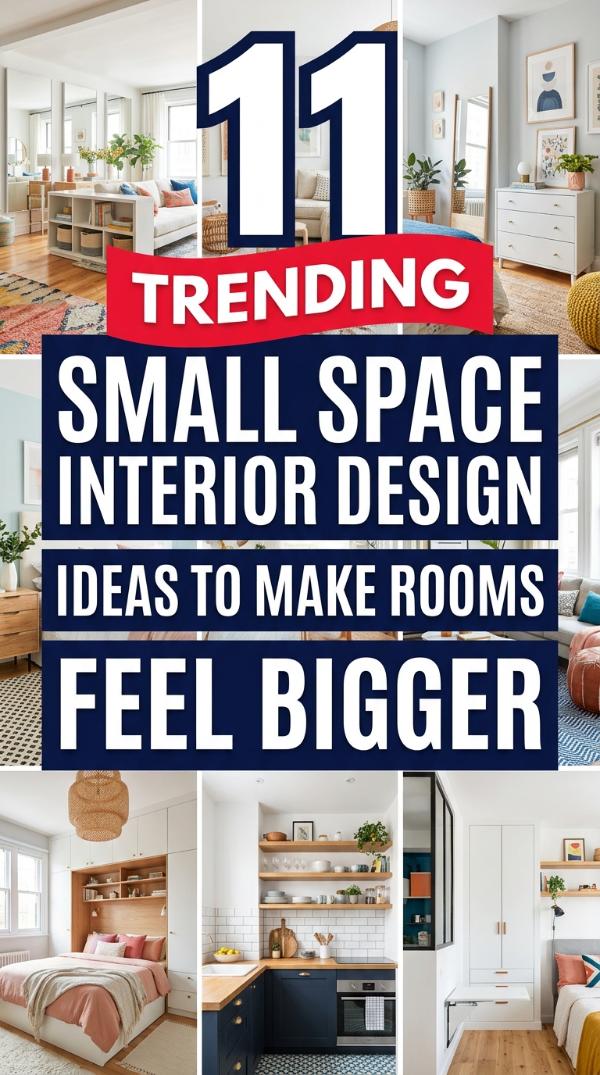
Living in a small home often feels cramped and cluttered. You might feel trapped by your four walls, struggling to find enough breathing room for your daily life.
Luckily, clever small space interior design ideas to make rooms feel bigger can transform your home. These simple tricks use light, color, and furniture to create an airy atmosphere.
Discover how to maximize every square inch without sacrificing style. These 11 expert tips will help you turn a tiny apartment into a spacious sanctuary today.
1. Use Floor-to-Ceiling Mirrors

Large mirrors are the ultimate trick for doubling your visual space. They reflect light and create the illusion of a whole new room just beyond the glass.
Lean a tall mirror against the wall for a relaxed vibe. This draws the eye upward and makes low ceilings feel significantly higher than they actually are.
Positioning a mirror opposite a window is the best strategy. It captures natural light and bounces it into every dark corner of your living area.
2. Choose Furniture with Exposed Legs

Bulky furniture that sits flat on the floor feels heavy. Instead, look for sofas and chairs with slim, tapered legs that lift the piece off the ground.
Seeing more of the floor creates a sense of openness. It allows light to flow underneath the furniture, making the entire room feel much less crowded.
Mid-century modern styles often feature these slender legs. They provide a clean, minimalist look that is perfect for optimizing small apartment layouts.
3. Opt for Monochromatic Color Schemes
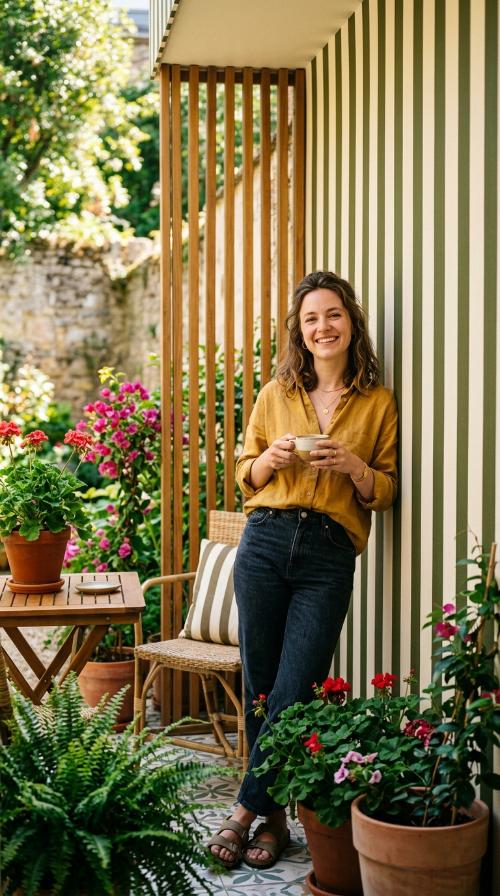
Painting your walls and trim the same color eliminates visual boundaries. This seamless look prevents the eye from stopping at the corners of the room.
Light colors like soft whites or pale grays work best. These shades reflect the most light, keeping your small space feeling bright and expansive throughout the day.
Extend this color palette to your furniture and rugs. Using similar tones creates a cohesive environment that feels calm, organized, and much larger than it is.
4. Install Floating Shelves

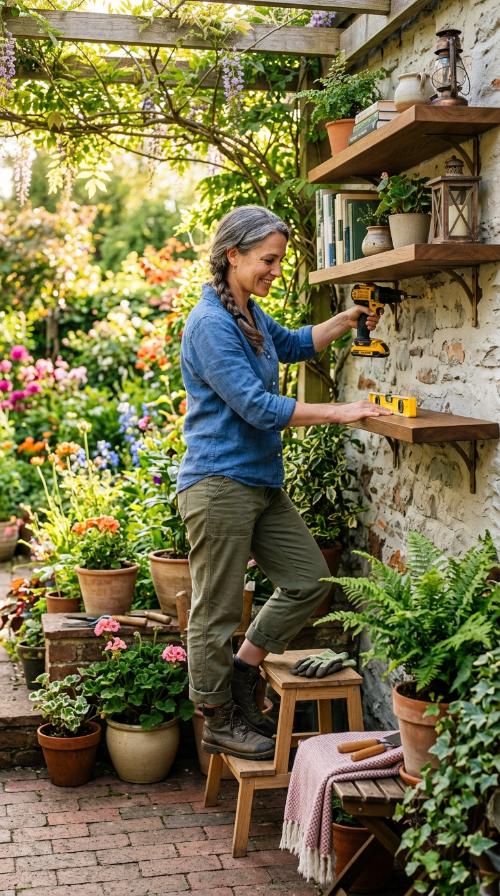
Floor-standing bookshelves take up valuable real estate. Floating shelves provide plenty of storage and display space without consuming any of your precious floor area.
Mount them high on the wall to draw the gaze upward. This vertical storage solution makes the walls appear taller while keeping your belongings neatly organized.
Keep the styling simple to avoid a cluttered look. A few well-placed books and a small plant will add personality without overwhelming the small room.
5. Embrace Transparent Furniture

Glass or acrylic furniture is a ghostly design secret. Because you can see right through it, these pieces take up zero visual weight in a room.
An acrylic coffee table or glass desk provides a functional surface. However, it doesn’t block your view of the floor, maintaining an open and airy feel.
These modern pieces add a sophisticated touch to any home. They are ideal for tight spaces where you need functionality without the added bulk.
6. Hang Curtains High and Wide
Standard curtain placement can make windows look small. Instead, hang your rod just a few inches below the ceiling and extend it past the window frame.
This technique makes the window appear much larger than its actual size. It also frames the view and allows more natural light to enter the room.
Use sheer fabrics to keep the atmosphere light. Heavy drapes can feel suffocating in a small area, whereas light linens encourage a breezy, spacious environment.
7. Use Multi-Functional Furniture
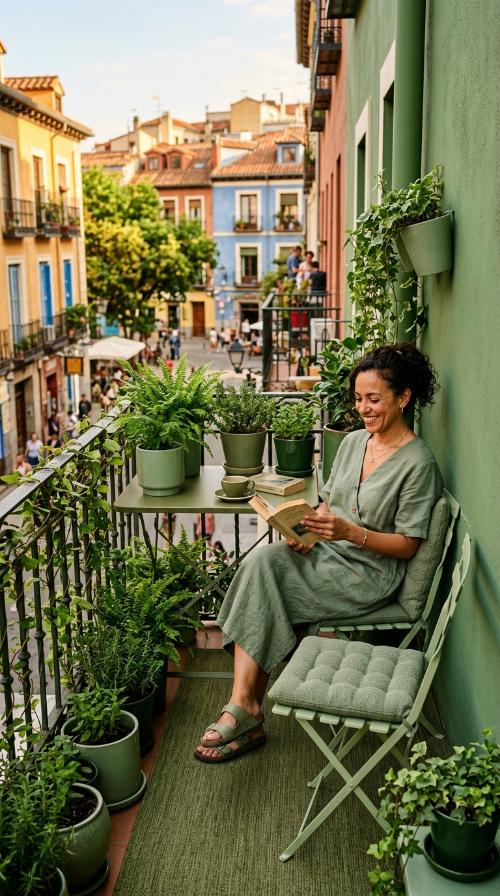
Every piece of furniture should work double duty in a small home. Look for ottomans with hidden storage or beds with built-in drawers underneath.
Reducing the total number of items in a room is key. When one piece serves two purposes, you eliminate clutter and free up walking space.
A nesting table set is another great option. These can be pulled out when guests arrive and tucked away when you need more room to move.
8. Select a Large Area Rug

Using several small rugs can break up the floor and make it look choppy. A single, large rug helps to ground the entire space effectively.
Choose a rug that extends under all the furniture in the seating area. This creates a unified zone that makes the floor plan feel much bigger.
Stick to simple patterns or solid colors. Busy designs can make a tiny room feel chaotic, while subtle textures add warmth without the visual noise.
9. Incorporate Vertical Stripes
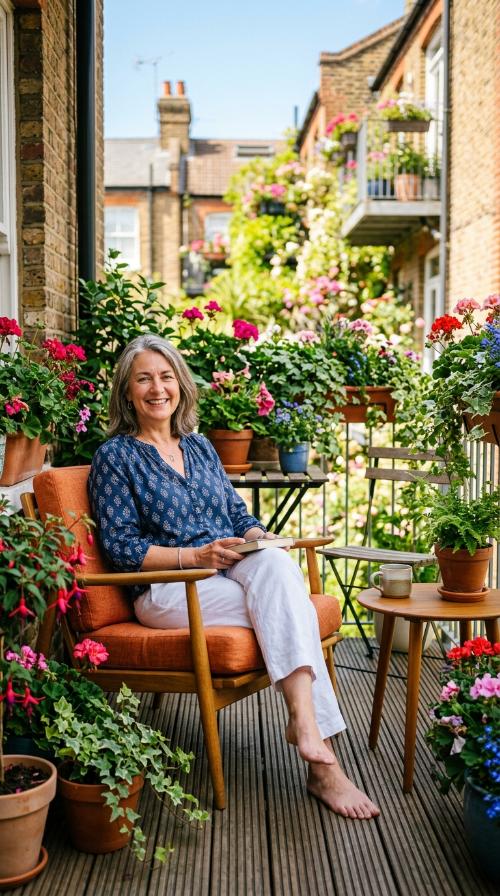
Just like in fashion, vertical lines create an elongated effect. Use striped wallpaper or tall, thin floor lamps to guide the eye toward the ceiling.
This simple trick makes a room feel taller instantly. It is especially effective in basements or apartments with low ceilings that feel a bit cave-like.
You can even use tall plants like Sansevieria to achieve this. Their upright leaves add height and greenery without requiring much horizontal space.
10. Keep the Center of the Room Clear
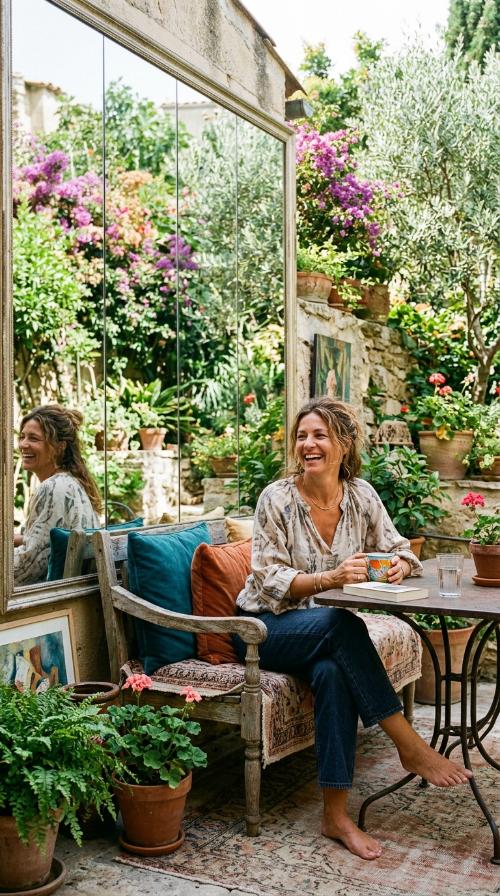
Resist the urge to push all your furniture into the middle. Keeping the center of the floor clear allows for better traffic flow and openness.
Arrange your main pieces along the perimeter of the room. This creates a wide, unobstructed path that makes the space feel more navigable and large.
A clear floor allows the eye to travel further. This simple change in layout can have a massive impact on how you perceive the size of your home.
11. Maximize Natural Light
Natural light is the best tool for opening up any space. Keep your windows clean and avoid blocking them with large furniture or heavy shutters.
If you lack windows, use bright LED bulbs that mimic daylight. Proper lighting removes dark shadows that often make small rooms feel tiny and cramped.
Layer your lighting with floor lamps, table lamps, and sconces. This distributes light evenly across the room, enhancing the sense of depth and dimension.
How can I make a dark room feel bigger?
Use plenty of mirrors and light-colored paint to reflect what little light you have. This brightens corners and creates a much more open atmosphere.
Does white paint really help small spaces?
Yes, white paint reflects the most light and makes walls seem to recede. This simple trick is a cornerstone of small space interior design ideas to make rooms feel bigger.
Should I buy small furniture for a tiny room?
Not necessarily. A few large, well-placed pieces often look better than many small, cluttered items. Choose furniture with legs to keep the floor visible and open.
How do mirrors increase perceived space?
Mirrors create depth by tricking the eye into seeing more volume. They also bounce light around the room, which eliminates cramped shadows and expands the view.
Are plants good for small rooms?
Plants are great if you choose vertical varieties. Tall, thin plants add life and height without taking up the floor space that bulkier plants require.
Can a rug change the size of a room?
A large rug that fits under all furniture unifies the space. This prevents the floor from looking fragmented, making the entire room feel significantly wider and more cohesive.